![Plan S[how me the money]: Academic-led Initiatives vs. Less Costly Publishing Future](https://www.socialsciencespace.com/wp-content/uploads/money-scale.jpg "Plan S[how me the money]: Academic-led Initiatives vs. Less Costly Publishing Future")

Could Distributed Peer Review Better Decide Grant Funding?
The landscape of academic grant funding is notoriously competitive and plagued by lengthy, bureaucratic processes, exacerbated by difficulties in finding willing reviewers. Distributed […]
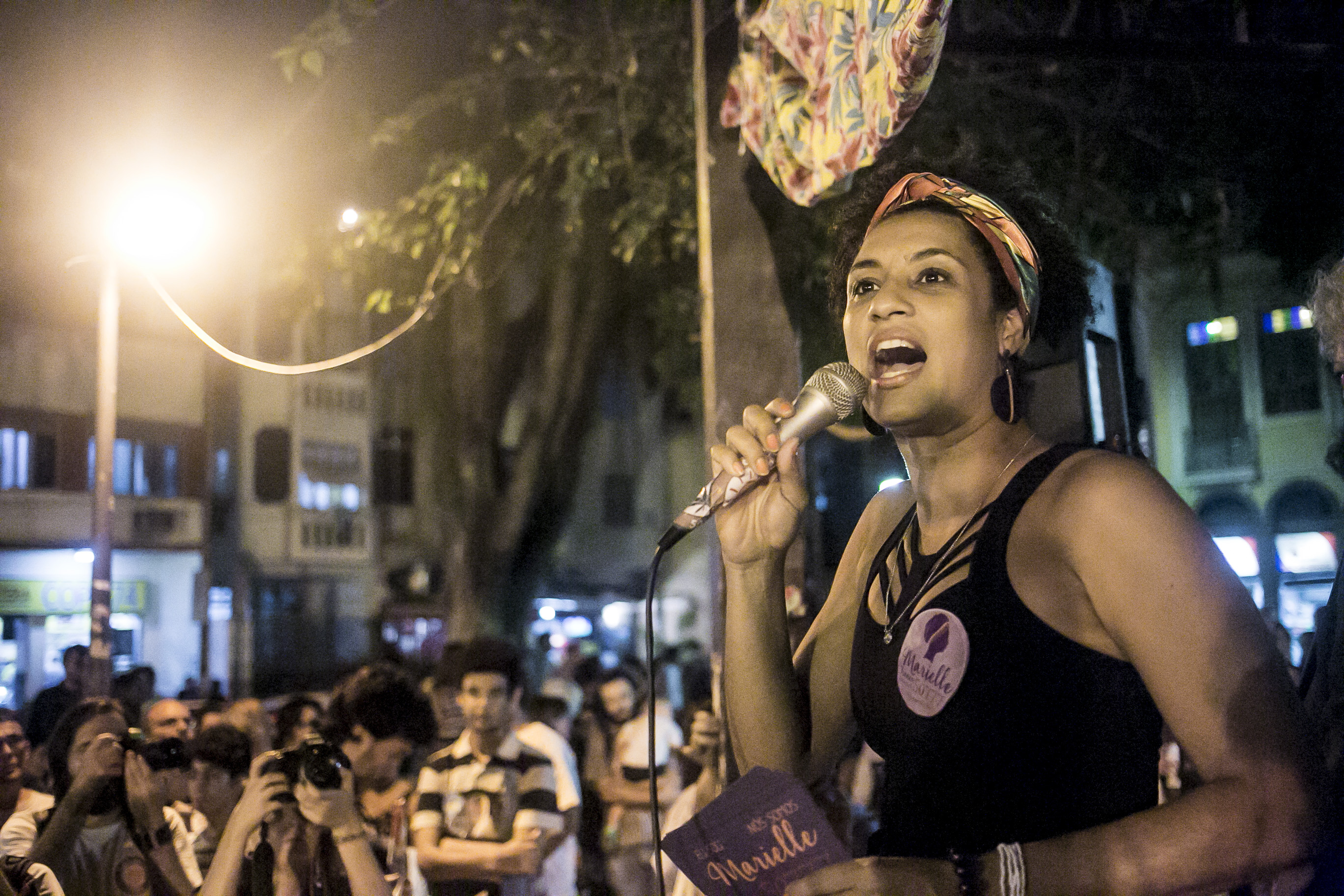
Brazilian elite have an enduring resistance to acknowledging the existence and the pernicious effects of racism in shaping the country’s contemporary social relations. These effects will have major implications on the way Brazil will continue to react toward prejudices and color-blind racism. Something that Brazilian author Luiz Trindade says is “problematic for Brazil and all Brazilians.”
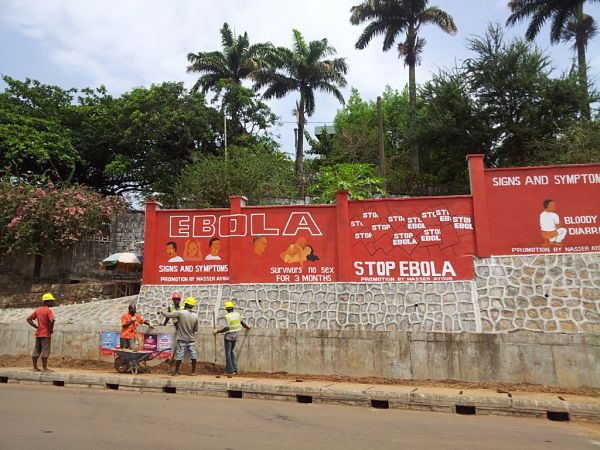
The Congo’s devastating Ebola outbreak demands that a critical component of that international response should be to rapidly identify and deploy national and international social scientists, with knowledge of the local context, who can work together to develop the protocols and tools needed to implement social science research so essential for outbreak control.
Calling all social scientists. How were you trained? How are you keeping up (or not) with new developments in this rapidly changing digital world? How are you training your students? This was the subject of an event sponsored by SAGE Ocean as part of the ESRC’s 2018 Festival of Social Science. Comment on the post

The Golden Goose Awards, which honor scientists whose research the U.S. government funded even though the initial premise may not have screamed ‘immediate application,’ is looking for a few good social scientists to honor.
The American Academy of Political and Social Science announced today five eminent scholars who will join the academy as fellows in 2019: Raj Chetty, Kimberlé Crenshaw, Paul Krugman, Nicholas Lemann, Alondra Nelson will officially join the academy on the evening of October 3, 2019, in a ceremony in Washington, DC.
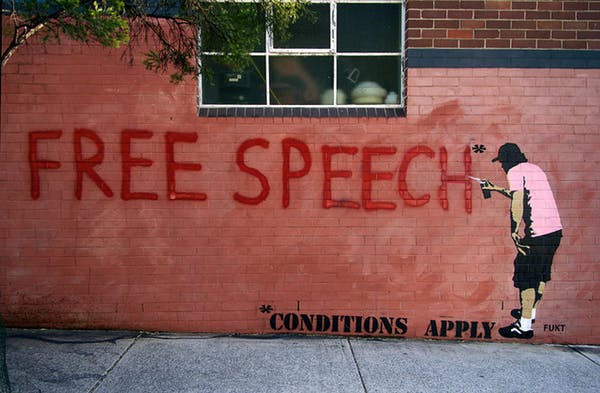
This is an edited version of a speech given by Glyn Davis, distinguished professor of political science at the Crawford School of Public Policy at Australian National University, at a summit to explore issues of academic freedom and autonomy hosted by the Australian National University.
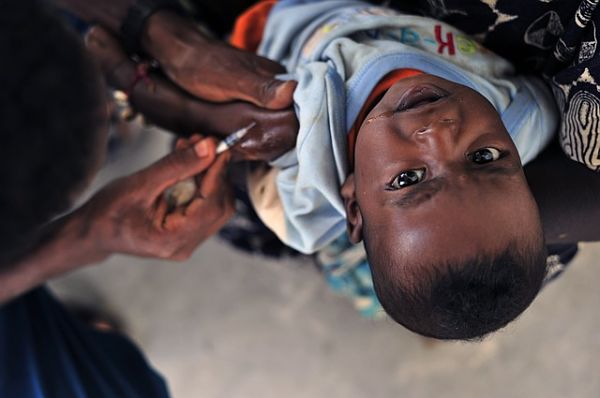
Figuring out how public health professionals can most effectively combat misinformation about the flu vaccine is a critically important question for public health research. Looking at the latest research, what is the best way to communicate this importance.
A workshop conducted by the Humane Metrics Initiative earlier this year explored whether the humble syllabus should be treated as a scholarly work on its own merits, and if so, how the authors of any syllabi should be recognized.

Euan Adie, the founder of Altmetric and later of Overton, discusses the reasons the led to Overton’s focus on showing researchers how […] Here’s a couple of quick questions for you. What is the smallest of the eight discipline-based directorates at the United States’ National […] Sage’s 10-Year Impact Awards recognize academic papers appearing in Sage-published journals that have achieved lasting impact. The winning papers are the most […] I was adding some final flourishes on the topic of ‘iatrocracy’ to my forthcoming book with Natewindé Sawadogo – Sickness and Social […] How is AI changing the shape and space of higher education? Critical thinking continues to rank highly among key skills and attributes […] My colleagues and I recently spoke with a group of talented, interesting students who just completed their first year of college about […]
EXPLORE
Impact

Quick Insight: Euan Adie on Getting Academics Credit for Their Impact
READ MORE

NSF’s Embattled SBE Directorate Shown as Agency’s Policy Heavyweight
READ MORE

Sage’s 10-Year Impact Awards Capture Longer-Term Significance
READ MORE
Innovation

AI and ‘Iatrocracy’ – A Cautionary Tale
READ MORE

The Critical Student: How GenAI Reshapes Critical Skills and Higher Education’s Role Preparing Students For It
READ MORE

AI Doesn’t Drive Student Cheating. It Just Hitches a Ride
READ MORE