

Could Distributed Peer Review Better Decide Grant Funding?
The landscape of academic grant funding is notoriously competitive and plagued by lengthy, bureaucratic processes, exacerbated by difficulties in finding willing reviewers. Distributed […]

Isolation and loneliness, as opposed to solitude, seem to the be the lot of many midern researchers. Research shows that 40 percent of academics, and more than half below the age of 35, view isolation at work as the main factor affecting their mental health. And many academics turn to counselling to learn ways to cope with emotional distress.
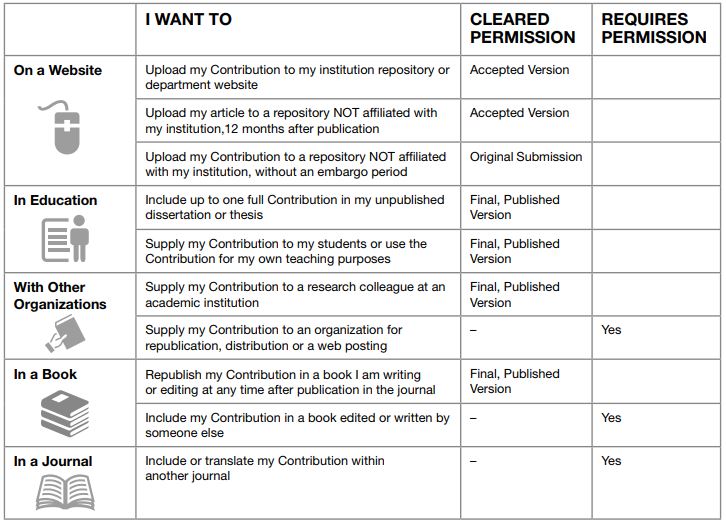
Publishing an article in a reputed academic journal is no mean feat. From the initial grant proposal, through to writing the paper, formatting it to meet journal guidelines and then waiting for peer review to be complete, a huge amount of time and work is required. And that’s assuming you’re accepted first time! Here’s how we counsel people about this at SAGE.
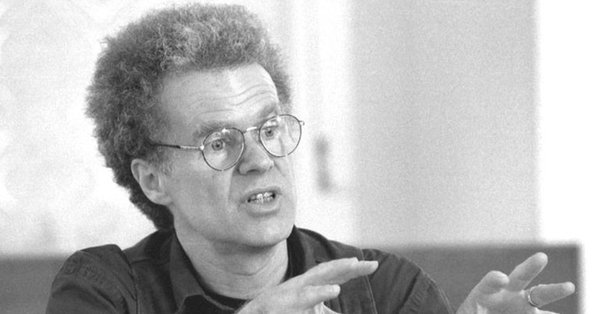
Sociologist Erik Olin Wright, who died last week at age 71, spent his career trying to imagine practical alternatives to capitalism.
How can we develop a new field of collective intelligence that pulls across disciplines and works between academic and practitioner domains? This was a key question addressed at the ‘Designing collective intelligence to address social needs’ event hosted by the global innovation foundation Nesta.
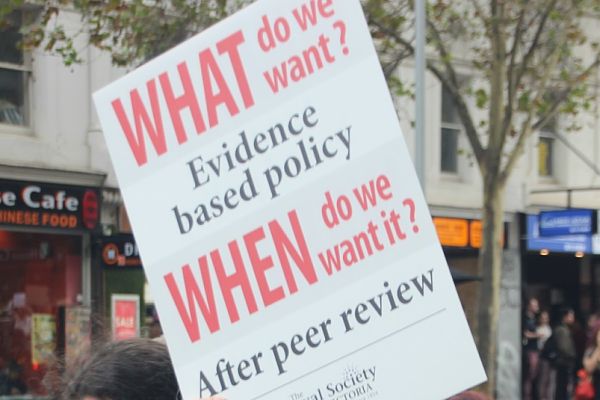
In what’s been billed as “the first step in a longer process of ensuring the government is fully invested in using science to improve the effectiveness of its operations,” on January 14 President Trump signed the Foundations for Evidence-Based Policymaking Act of 2018.

The U.S. National Institutes of Health’s Office of Behavioral and Social Sciences Research, which has a rather lengthy revised definition that it’s currently asking experts to assess.

Last year Social Science Space presented more than 200 articles on the impact, infrastructure and industry surrounding social and behavioral science and research. Here we chose a few of special merit to highlight what went on in 2018. Click the links mentioned to review the full post and/or podcast.

Virtual Reality technology is opening previously locked doors to researchers in the social sciences. But how viable is it really as a research tool? We take a look back over the history of experimental research in human perception and response to consider the future of VR in experimental design.

Euan Adie, the founder of Altmetric and later of Overton, discusses the reasons the led to Overton’s focus on showing researchers how […] Here’s a couple of quick questions for you. What is the smallest of the eight discipline-based directorates at the United States’ National […] Sage’s 10-Year Impact Awards recognize academic papers appearing in Sage-published journals that have achieved lasting impact. The winning papers are the most […] I was adding some final flourishes on the topic of ‘iatrocracy’ to my forthcoming book with Natewindé Sawadogo – Sickness and Social […] How is AI changing the shape and space of higher education? Critical thinking continues to rank highly among key skills and attributes […] My colleagues and I recently spoke with a group of talented, interesting students who just completed their first year of college about […]
EXPLORE
Impact

Quick Insight: Euan Adie on Getting Academics Credit for Their Impact
READ MORE

NSF’s Embattled SBE Directorate Shown as Agency’s Policy Heavyweight
READ MORE

Sage’s 10-Year Impact Awards Capture Longer-Term Significance
READ MORE
Innovation

AI and ‘Iatrocracy’ – A Cautionary Tale
READ MORE

The Critical Student: How GenAI Reshapes Critical Skills and Higher Education’s Role Preparing Students For It
READ MORE

AI Doesn’t Drive Student Cheating. It Just Hitches a Ride
READ MORE