

Could Distributed Peer Review Better Decide Grant Funding?
The landscape of academic grant funding is notoriously competitive and plagued by lengthy, bureaucratic processes, exacerbated by difficulties in finding willing reviewers. Distributed […]
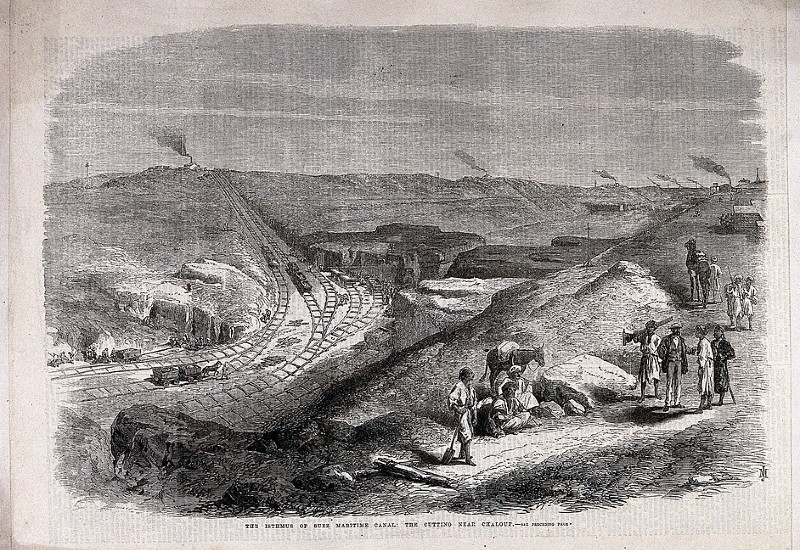
This article by Bent Flyvbjerg examines the misconceptions and strategic misrepresentations that routinely result in the implementation of projects for which there is inadequate justification, absorbing funds that could have been better spent elsewhere.
Many families around the world are caring for members with additional needs, which can be complex, unpredictable, and long-term. The challenges related to caregiving of this nature affect not only parents but also siblings, grandparents, and other members of the extended family.

Over a 10-year period Carol Tenopir of DataONE and her team conducted a global survey of scientists, managers and government workers involved in broad environmental science activities about their willingness to share data and their opinion of the resources available to do so (Tenopir et al., 2011, 2015, 2018, 2020). Comparing the responses over that time shows a general increase in the willingness to share data (and thus engage in Open Science).
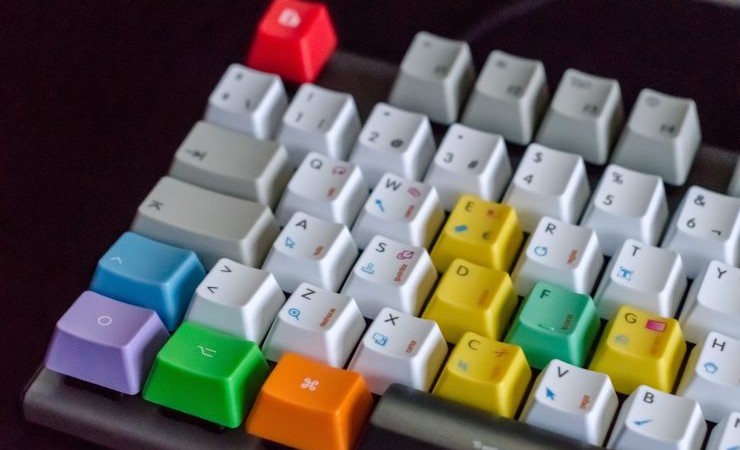
Gamification—the use of video game elements such as achievements, badges, ranking boards, avatars, adventures, and customized goals in non-game contexts—is certainly not a new thing.
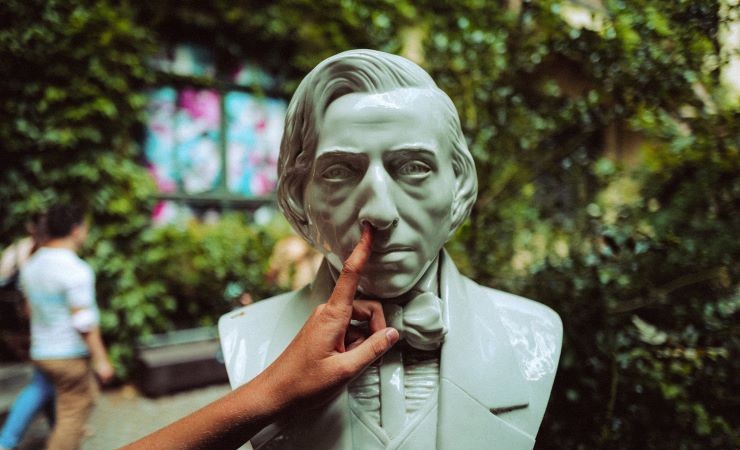
This paper grew out of reflections on the language and nature of ‘stupidity,’ especially as it applies to individuals and collectives working in academic contexts.
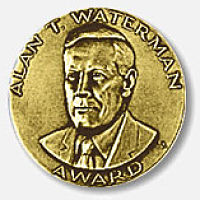
Nominations are being taken through Septembr 15 for the 2024 Alan T. Waterman Award, an annual prize that recognizes early-career researchers who have made achievements that impact science or engineering.
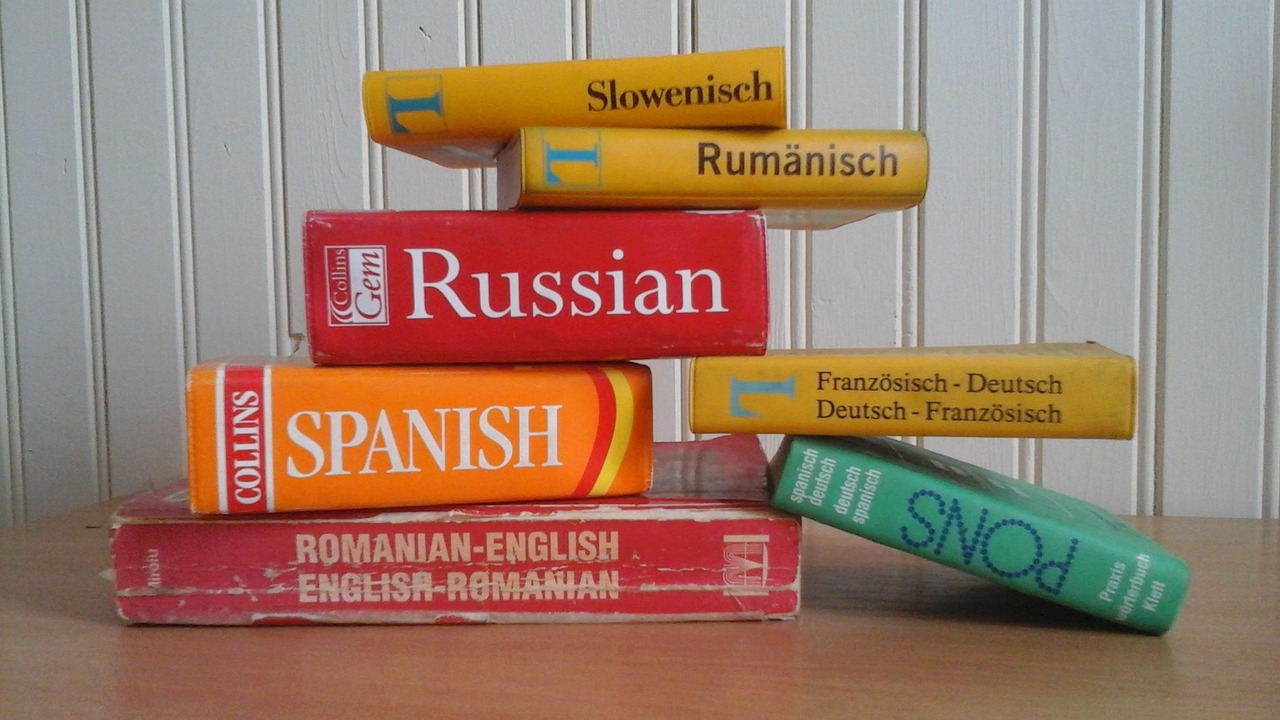
Headlines abound with the plight of endangered minority languages around the world. Read a few of these and you’ll see some common themes: the rising number of languages dying worldwide, the distressing isolation of individual last speakers and the wider cultural loss for humanity.
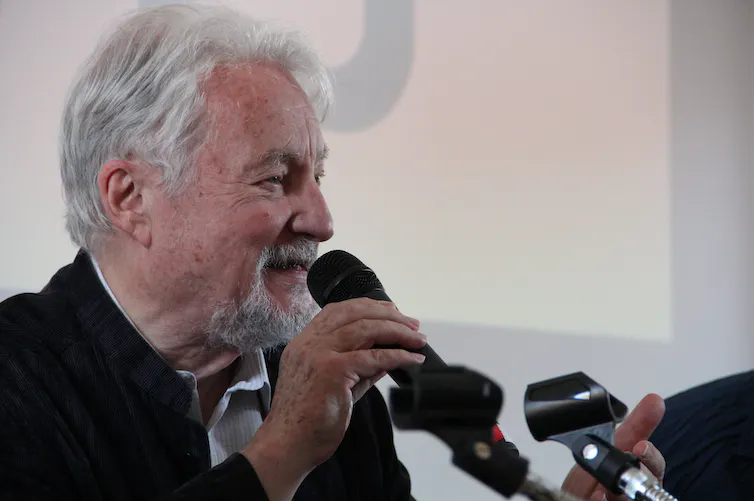
French anthropologist Marc Augé, who died on July 24, is renowned for his concept of “non-places”. His 1993 text of the same name describes a reality that is very much relevant to our everyday lives.
People often see science as a world apart: cool, rational and untouched by persuasion or performance. In this view, scientists simply discover […] “Research impact” means different things to different people. Some refer broadly to how science changes behaviors, beliefs, or practices outside academic institutions. […] One researcher studies how war affects children, another took a literal worm’s eye view to examine rural development, while two others scrutinized […] David Canter considers informal places where people socialize, suggesting they’re an arena ChatGPT and other LLMs can’no’t replicate. As someone who lives […] It’s become cliche since Clive Humbly coined it in 2006, but data is indeed the new oil. It’s a mantra repeated by […] In September 2025, The Guardian reported about a lawyer in Australia having faced sanctions due to false citations. These citations were not […]
EXPLORE
Impact

Scientists Should Keep in Mind It’s Called the ‘Marketplace of Ideas’ for a Reason
READ MORE

Survey Finds Social Scientists Feel Unsupported in Seeking Societal Impact
READ MORE
Canada’s SSHRC Names 2025 Impact Winners
READ MORE
Innovation

Reaching Parts to Which AI Has No Access
READ MORE

Andrea Medina-Smith on Making Research Data More FAIR
READ MORE

A Status Check on Hallucinated Case Law Incidents
READ MORE