Bev Skeggs on Social Media Siloing
LISTEN TO BEV SKEGGS NOW!
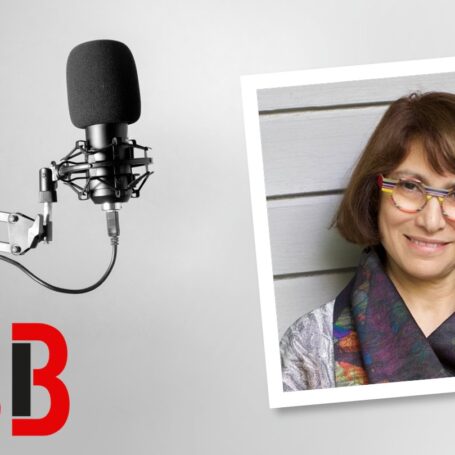
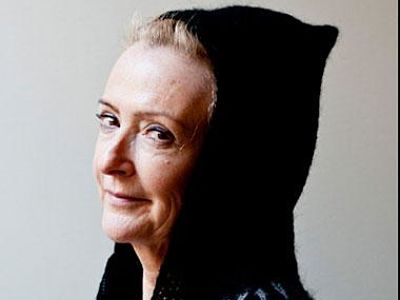
“Most people,” says sociologist Bev Skeggs, “think they’re using Facebook to communicate with friends. Basically they’re using it to reveal how much they can be sold for, now and in the future, and how much their friends can be sold for.”
That was an almost accidental lesson she learned during research on how social networks were structuring, or restructuring, friendships, she explains to interviewer David Edmonds in this Social Science Bites podcast. After receiving a monstrous data dump – with permission – of individuals’ social media usage, Skeggs and her colleagues were “completely diverted” as it dawned on them that Facebook was trawling its users’ habits to collect information on people’s general browsing habits.
The potentially disturbing but legal practice was only the first step in Facebook’s efforts to monetize social media – and in what Skeggs argues calcifies inequality.
“They probably have the greatest capacity to experiment with social data to see who we’re communicating with, how we’re communicating with them,” Skeggs says, “but basically 90 percent of Facebook profit is made from advertising — selling your data to advertising companies so that they can place an advert on your browser.” And in turn, algorithmically segregating web denizens – well, their composite data profiles, at any rate — based on their perceived wealth and influence. This “subprime silo-ing” pushes sketchy advertising, in particular for high-interest loans, at people who can least afford to take on more debt.
That, she explains, is why “we really, really need to have some strict regulation” when it comes to the trading of personal data, targeting, advertising and similar practices that flow from social media.
Skeggs, who has led the sociology departments at Manchester University and Goldsmiths, University of London, has long looked at less explored vectors of inequality, as demonstrated by her breakthrough 1997 book, Formations of Class & Gender: Becoming Respectable. She was the joint managing editor of the The Sociological Review for five years starting in 2011, a period that saw the esteemed journal transition into an independent foundation “dedicated to the advancement and study of sociology in everyday life.” (She remains an editor at large for the Review.) She is currently director of the Atlantic Fellows Programme at the London School of Economics and Political Science’s International Inequalities Institute.
To download an MP3 of this podcast, right-click HERE and save.
***
For a complete listing of past Social Science Bites podcasts, click HERE. You can follow Bites on Twitter @socialscibites and David Edmonds @DavidEdmonds100.