The Comfort of Strangers
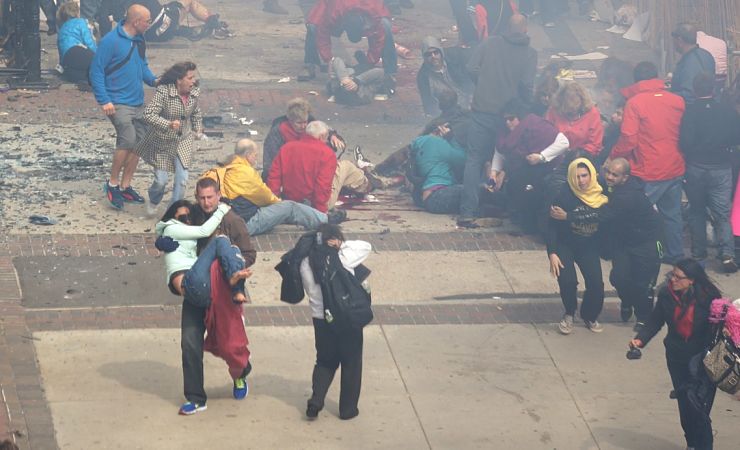
With so many accounts of human nastiness to others, and violent crime the obsession of television documentaries and dramas, it is worth stepping back from this onslaught and recognize that the dominant mode of interactions between people is one of kindness and support.
This was profoundly illustrated, for instance, on 22 May 2017. As people were leaving an Ariana Grande concert at the Manchester Arena, a suicide bomber exploded his improvised explosive device, killing 23 people including a number of children. In the subsequent independent public inquiry, into how this horror was dealt with, a dominant theme was that although the emergency services were slow to respond, many untrained, ordinary members of the public gave help and support to strangers. They did this despite the risk to themselves of a potential further explosion and the suffering and trauma they themselves were experiencing. Parents tended to seriously injured children even as they searched for their own family members.
Many studies of behavior in disasters show that the comfort that strangers gave to each other at the Manchester arena were not unusual. The great majority of people identify with other human beings and exhibit what appears to be a natural tendency to assist others in crisis. The huge sums given to charities are a continual reminder of this. Other heart-warming examples are the heroic efforts of health and care workers throughout the pandemic despite the danger and discomfort they had to suffer.
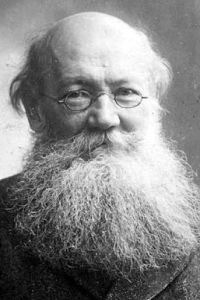
Many have used the rather odd metaphor that we are ‘hard-wired’ to help each other. This claim of the evolutionary necessity of supporting each other was first articulated by the Russian anarchist Prince Peter Kropotkin, who was also a distinguished scientist. He pointed out that the Darwinian account of the origin of species implied that individuals within a species generally supported each other. If they did not the species would soon disappear, or not really come into existence at all.
Pandemic disease, however, does put pressure on helping behavior because of the associated risks of contact. The balance between the natural tendency to support others and the fear of contamination creates a psychological conflict. One inappropriate way of resolving this conflict is to deny the disease exists! This can bolster a feeling of self-esteem through the belief that you are more independent and powerful than those wanting to control you and wish on you an unnatural state. Mixing with your friends despite the legal restrictions on doing that shows solidarity with them against the wider society.
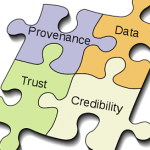
The way any group within a population interacts with others in a disaster therefore does indicate significant aspects of their role in society. A few will take advantage of the turmoil of a tragedy to get away with criminal acts such as looting. In a society in which trust between people is weak and belief that the authorities do not have the public interest at heart, then any anxiety about the consequences of helping others will be dealt with by pulling back. These may be the situations that social psychologists have characterized as exhibiting ‘bystander apathy’. This was the term that was applied to the event when Kitty Genovese was chased, raped and murdered on a public street. Apparently Thirty-eight neighbors were aware what was taking place during yet it is claimed that they did nothing to rescue of the assaulted girl. A whole range of rather naïve social psychological, laboratory experiments were set in motion to explore ‘bystander apathy’, despite the fact that some people did shout out at Kitty’s attacker and called the police. These experiments took little account of the particular socio-cultural circumstances of the attack. They certainly throw little light on the pro-social supportive behavior that takes place in societies that trust each other.
In the U.K. the uptake of the widely available coronavirus vaccination directly reflects the extent to which people feel part of society and want to contribute to the safety of others. The great majority of those who identify with society at large have taken advantage of the vaccine on offer. Those who feel marginalized have been far more reluctant to have The Jab. Kropotkin’s optimism about social cohesion is does find frequent support in the most challenging situations. But rifts in society can, sadly, undermine it.