Survey Examines Global Status Of Political Science Profession
Experts in the political science field, along with those from several other disciplines, have faced obstacles from political division to threats to academic freedom. The ECPR-IPSA World of Political Science Survey 2023 (ECPR-2023) was released to assess political science scholar’s viewpoints on the global status of the discipline and the challenges it faces, specifically targeting the phenomena of cancel culture, self-censorship and threats to academic freedom of expression.
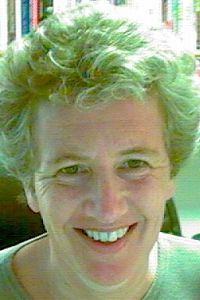
The survey was conducted by Pippa Norris, a Harvard University lecturer and comparative political scientist, along with the European Consortium for Political Research (ECPR) and the International Political Science Association (IPSA).
ECPR-2023 is the second survey of its kind, building upon research conducted in 2019. The baseline survey, WPS-2019, gathered 2,446 responses about political scientists about their roles and qualifications, background characteristics, national origins, subfields of expertise and methodological skills.
The study concluded that overall, there is a liberal skew of scholars in political science. The survey also found in the United States, conservative political scientists were more likely to say ‘cancel culture’ was worsening, while in developing countries, liberal participants were more likely to indicate cancel culture worsening.
“For fear of social isolation or loss of status, academics may be hesitant to express authentic opinions on sensitive issues like sexism and racism contrary to prevalent moral standards held by the majority of the academic community, producing self-censorship in the expression of unpopular views,” Norris wrote in the paper “Cancel Culture: Myth or Reality?”
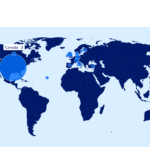
To expand upon the findings in WPS-2019, questions about climate change, academic freedom and equity, diversity and inclusion were included in WPS-2023. The updated survey, which was conducted from Nov. 29, 2022, until January 31, 2023, gathered anonymous responses from 1,989 political scientists from 103 countries. Participants were recruited using social media and email notifications and newsletters and networks from ECPR, IPSA and various other national political science associations.
Among respondents, 1,224 were from Western Europe and North America, 362 were from Latin America, 157 were from Eastern and Central Europe, 129 were from the Asia-Pacific, 59 were from the Middle East and North Africa and 48 were from Sub-Saharan Africa.
WPS-2023 was interested in determining the background characteristics and career statuses of political scientists working in higher education and how they compare across the world, diversity, equity and inclusion opportunities in the field and political science’s current ideological profile considering academic’s experiences with academic freedom and cancel culture. To gather information on the forementioned topics, the survey probed participants with questions related to nationality, subfield and methodological expertise, academic life, life and work satisfaction, ideological values, equity, diversity and inclusion, academic freedom, reactions to in-person versus online formats and background characteristics.
Norris released “Cancel Culture: Heterodox Self-Censorship or the Curious Case of the Dog-Which-Didn’t Bark,” to analyze the results of WPS-2023. The paper discusses the status of worldwide threats to freedom of expression, viewpoint diversity and self-censorship in higher education.
According to the paper, the results of WPS-2023 were consistent with the findings of WPS-2019, as there was an ideological skew of scholars supporting liberal social views, especially in Western societies. The study also determined scholars in liberal Western societies who are conservatives and don’t share the majority opinion are more likely to self-censor or hold back controversial views, but in developing societies, conservatives weren’t necessarily more likely to self-censor.
The study also determined people who viewed cancel culture negatively, supported free speech extensively or were from places where academic freedom was restricted were more likely to self-censor. Early career academics and non-cis men were also more likely to self-censor.
View the WPS-2023 codebook, questionnaire and public data here: ECPR-IPSA World of Political Science survey 2023 – Harvard Dataverse