

Could Distributed Peer Review Better Decide Grant Funding?
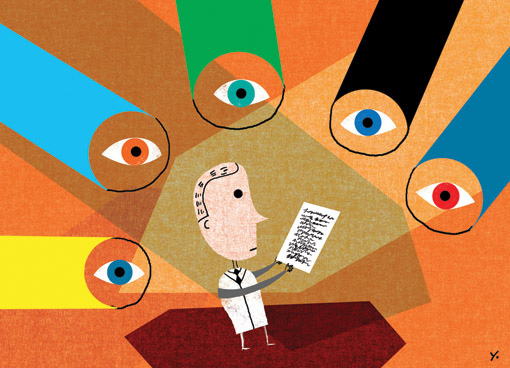
The landscape of academic grant funding is notoriously competitive and plagued by lengthy, bureaucratic processes, exacerbated by difficulties in finding willing reviewers. Distributed […]
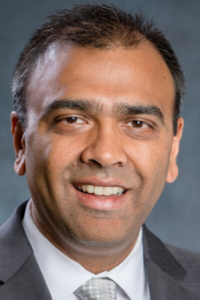
Life scientist Sudip Parikh has been tapped to head the American Association for the Advancement of Science, the organization announced last week. He will be the 19th chief executive the AAAS, the world’s largest multidisciplinary scientific society, has had in its 171 years.
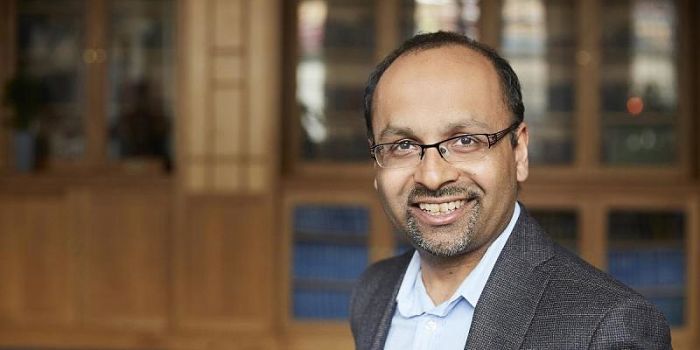
Professor Hetan Shah, who has headed the Royal Statistical Society for the last eight years, has been named to lead the British […]
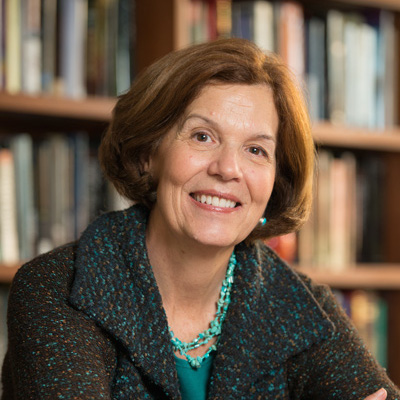
Remembering criminologist Joan Petersilia who spent her career examining the agencies that conduct U.S. criminal justice, and whose solidly evidence-based work was a major influence in affecting corrections and sentencing reforms.
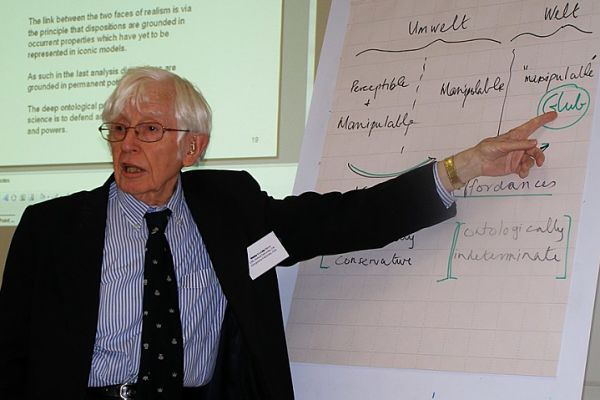
Rom Harré, a philosopher deeply engaged in critically examining the attributes and vulnerabilities of the social sciences, and who was both an early computational researcher and an incredibly prolific academic author, died October 17 at age 91.
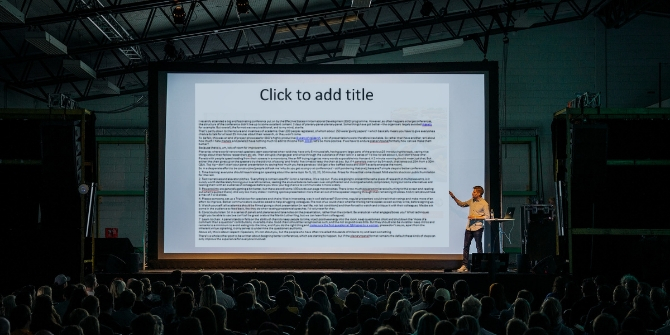
The default format for most academic conferences is a plenary followed by panel presentations. If we can’t revolutionize conference design, we can at least consider Duncan Green’s seven tips for improvement (electric shocks optional).
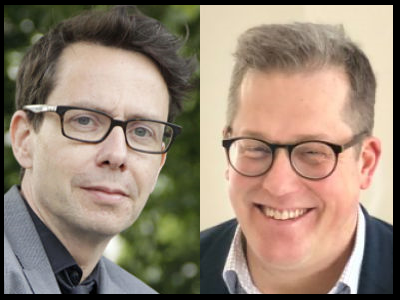
Bobby Duffy, director of The Policy Institute, will replace James Wilsdon as head of the Campaign for Social Science. Wilsdon, meanwhile, will head the new Research on Research Institute.

Sorry, but academic publications in themselves are less likely to merit impact, though; if researchers want to reach beyond the ivy tower of academia, there are certain steps they can take. Why not consider a campaign? Toby Green discusses the imperative to ensure that researchers are seeking and finding proper audiences if they intend to cause impact. Researchers who do so will be more visible, and they’re more likely to win grants.
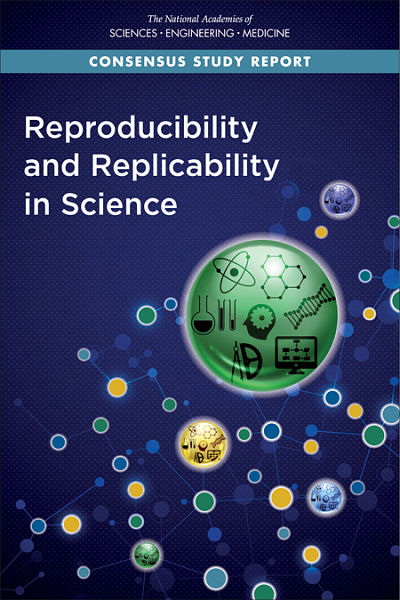
This Tuesday at 9 a.m., the National Academies of Sciences, Engineering, and Medicine will be hosting a national symposium in response to the 200-page report: Reproducibility and Replicability in Science. The symposium will feature discussions on actions taken or contemplated in response to the report’s findings. Learn more or find out how to watch live.
Jürgen Habermas, a globally known social theorist whose explorations of democracy, validity and communication have gained new prominence in the current moment, […] People often see science as a world apart: cool, rational and untouched by persuasion or performance. In this view, scientists simply discover […] “Research impact” means different things to different people. Some refer broadly to how science changes behaviors, beliefs, or practices outside academic institutions. […] David Canter considers informal places where people socialize, suggesting they’re an arena ChatGPT and other LLMs can’no’t replicate. As someone who lives […] It’s become cliche since Clive Humbly coined it in 2006, but data is indeed the new oil. It’s a mantra repeated by […] In September 2025, The Guardian reported about a lawyer in Australia having faced sanctions due to false citations. These citations were not […]
EXPLORE
Impact

Jürgen Habermas, 1929-2026: Exponent of the Public Sphere
READ MORE

Scientists Should Keep in Mind It’s Called the ‘Marketplace of Ideas’ for a Reason
READ MORE

Survey Finds Social Scientists Feel Unsupported in Seeking Societal Impact
READ MORE
Innovation

Reaching Parts to Which AI Has No Access
READ MORE

Andrea Medina-Smith on Making Research Data More FAIR
READ MORE

A Status Check on Hallucinated Case Law Incidents
READ MORE