

Could Distributed Peer Review Better Decide Grant Funding?
The landscape of academic grant funding is notoriously competitive and plagued by lengthy, bureaucratic processes, exacerbated by difficulties in finding willing reviewers. Distributed […]

Facebook CEO Mark Zuckerberg recently acknowledged his company’s responsibility in helping create the enormous amount of fake news that plagued the 2016 election – after earlier denials. Yet he offered no concrete details on what Facebook could do about it. Fortunately, there’s a way to fight fake news that already exists and has behavioral science on its side: the Pro-Truth Pledge project.
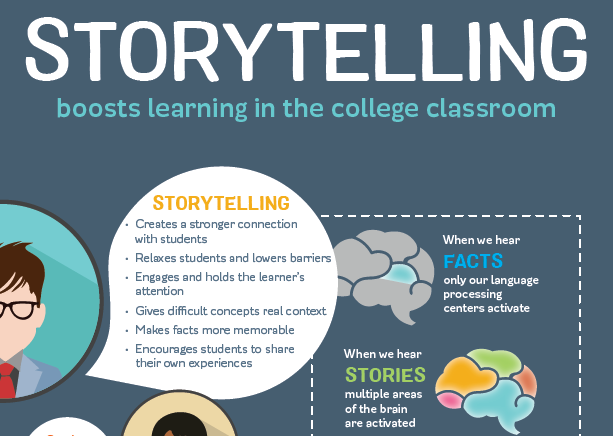
College professors are always looking for ways to help their students feel more engaged and invested in course material. Storytelling gives context to facts and complex concepts that could otherwise be difficult to grasp. This in turn engages students in the curriculum and improves their retention of the material.
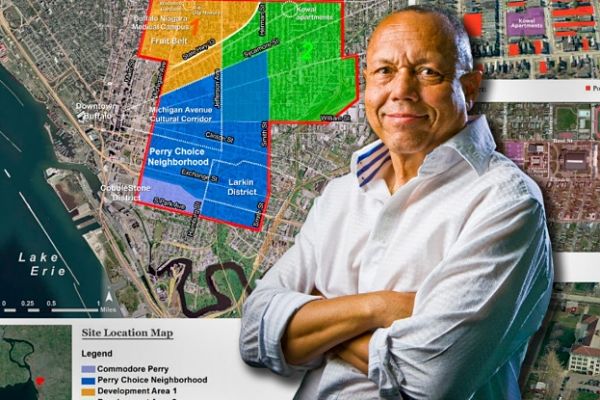
The University at Buffalo’s Henry Louis Taylor, Jr.’s’s role as an activist, as a scholar (“I am an activist turned scholar, not a scholar turned activist”), an urban planner and an historian, are explored in the wake of him receiving the Marilyn J. Gittell Activist Scholar Award from the Urban Affairs Association.

Two speakers at the upcoming “Between the discourse of ‘resilience’ and death by committee – Reclaiming collective spaces for academic resistance” forum say they became interested in the state of the neoliberal university because of attempts to bandage wounds that the current system had inflicted.
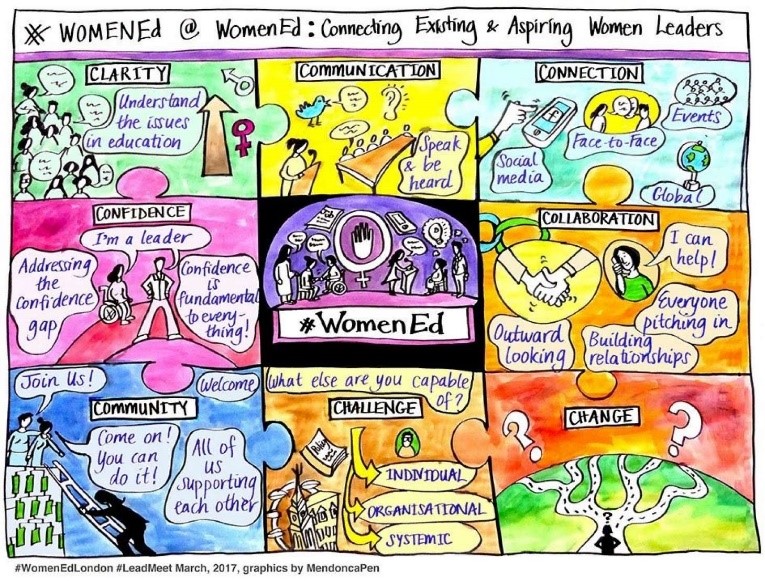
In our second post for 2018’s Academic Book Week, we wanted to take the opportunity to highlight some of the fantastic resources available to help support, encourage and develop women in academia. From blogs to books, to influential social media accounts and reports, the literature out there is both vast and dynamic.
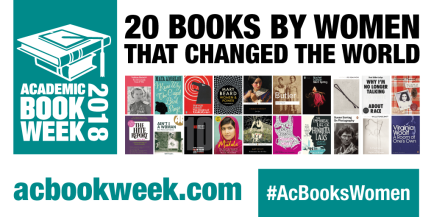
For Academic Book Week, SAGE Publishing, the parent of Social Science Space, asked some of its authors and editors for their top tips for women in academia:
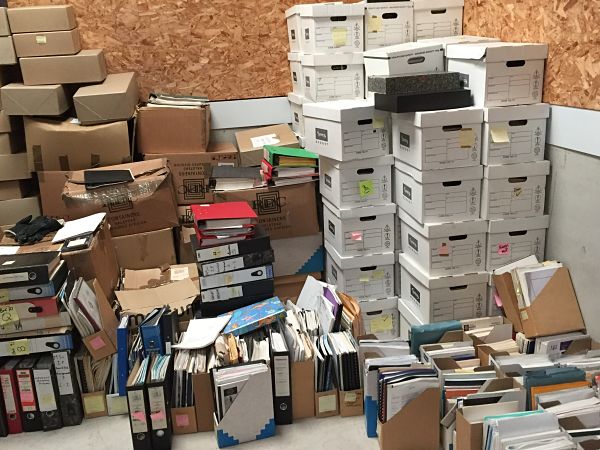
What is one’s legacy after a half century as an academic? Although it’s not his only legacy, our David Canter considers the ‘archive’ of surveys, old journals, letters and other reputed ‘data’ that makes up a paper simulacrum of the real David Canter.
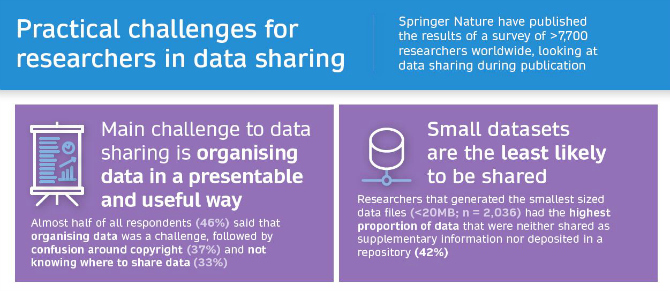
Making data available for other researchers to find, use, reuse, ultimately makes research more efficient and effective. Yet despite policies that encourage and require data sharing, researchers in the UK and US report lower percentages of data sharing than average. Grace Baynes suggests researchers be given incentives, expert support, and training to make it easy to share data.

The Royal Swedish Academy of Sciences has awarded this year’s Nobel Prize in Economic Sciences to the American economists Robert E. Hall […] Four Americans working in the social and behavioral sciences are among the 20 people named MacArthur Fellows this year. Recipients may be […] Euan Adie, the founder of Altmetric and later of Overton, discusses the reasons the led to Overton’s focus on showing researchers how […] The following is an adapted extract from The Cultural Industries, fifth edition, by David Hesmondhalgh. The increasing presence of information technology (IT) […] Developers of AI data centers have a public trust problem. According to multiple surveys, a majority of Americans say they would oppose […] I was adding some final flourishes on the topic of ‘iatrocracy’ to my forthcoming book with Natewindé Sawadogo – Sickness and Social […]
EXPLORE
Impact
Economic Peaks, Troughs and This Year’s Nobelists in Economics
READ MORE
Four From Social Science World Receive 2026 MacArthur Fellowships
READ MORE

Quick Insight: Euan Adie on Getting Academics Credit for Their Impact
READ MORE
Innovation

IT Giants and Their Operations: Should We Be Concerned?
READ MORE

What We Miss When We Study Public Trust with Surveys Alone
READ MORE

AI and ‘Iatrocracy’ – A Cautionary Tale
READ MORE