

Could Distributed Peer Review Better Decide Grant Funding?
The landscape of academic grant funding is notoriously competitive and plagued by lengthy, bureaucratic processes, exacerbated by difficulties in finding willing reviewers. Distributed […]
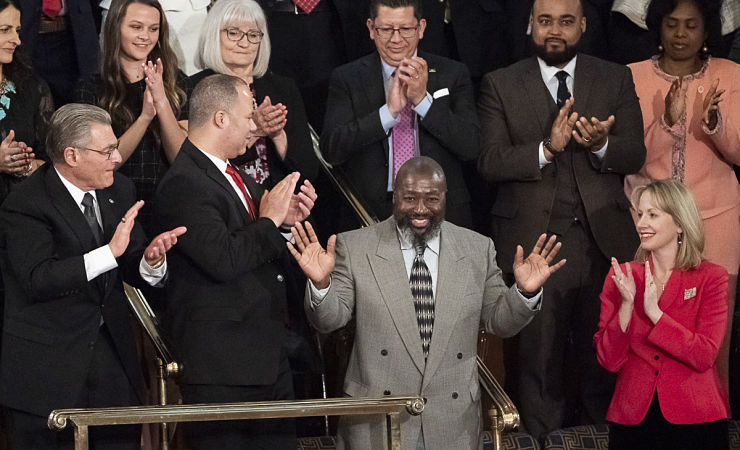
here’s a fact Cynthia Golembeski learned while researching criminal justice reform and teaching college classes in prisons: the reason the transition to life outside the corrections system is so hard is that there are more than 44,000 indirect consequences of a criminal conviction.

Efforts to influence people loom large in a pandemic. In particular, there is a demand for effective leadership which explains what is […]
It is to get rid of non-productive Chinese in the Chinese community, who are non-productive and in the words of George Bernard […]
On March 11th 2020, the World Health Organization (WHO) issued a statement confirming that COVID-19 was a pandemic. WHO experts advised that […]
COVID-19 has posed a significant challenge, with whole nations striving to coordinate their activities in response to the pandemic. In the process, […]
Since COVID-19 first began spreading around the world, there have been myriad examples of leadership that has not only motivated people to […]
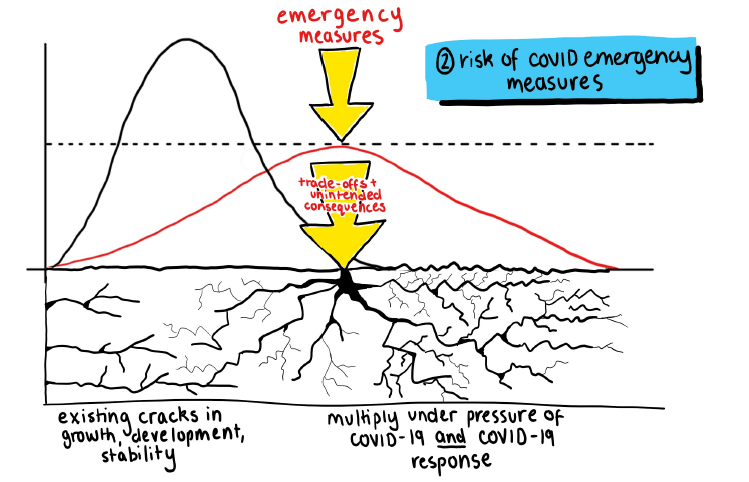
Editor’s Note: If you’re curious about the ways in which data visualization and graph use can generate impact with regard to the […]
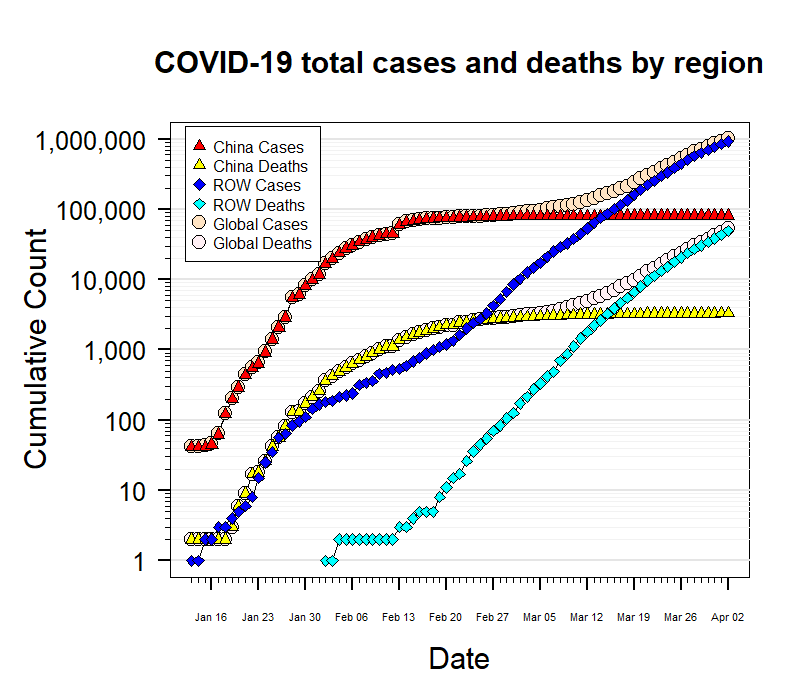
Editor’s Note: If you’re curious about the ways in which data visualization and graph use can generate impact with regard to the […]

Four Americans working in the social and behavioral sciences are among the 20 people named MacArthur Fellows this year. Recipients may be […] Euan Adie, the founder of Altmetric and later of Overton, discusses the reasons the led to Overton’s focus on showing researchers how […] Here’s a couple of quick questions for you. What is the smallest of the eight discipline-based directorates at the United States’ National […] I was adding some final flourishes on the topic of ‘iatrocracy’ to my forthcoming book with Natewindé Sawadogo – Sickness and Social […] How is AI changing the shape and space of higher education? Critical thinking continues to rank highly among key skills and attributes […] My colleagues and I recently spoke with a group of talented, interesting students who just completed their first year of college about […]
EXPLORE
Impact
Four From Social Science World Receive 2026 MacArthur Fellowships
READ MORE

Quick Insight: Euan Adie on Getting Academics Credit for Their Impact
READ MORE

NSF’s Embattled SBE Directorate Shown as Agency’s Policy Heavyweight
READ MORE
Innovation

AI and ‘Iatrocracy’ – A Cautionary Tale
READ MORE

The Critical Student: How GenAI Reshapes Critical Skills and Higher Education’s Role Preparing Students For It
READ MORE

AI Doesn’t Drive Student Cheating. It Just Hitches a Ride
READ MORE