
Could Distributed Peer Review Better Decide Grant Funding?
The landscape of academic grant funding is notoriously competitive and plagued by lengthy, bureaucratic processes, exacerbated by difficulties in finding willing reviewers. Distributed […]
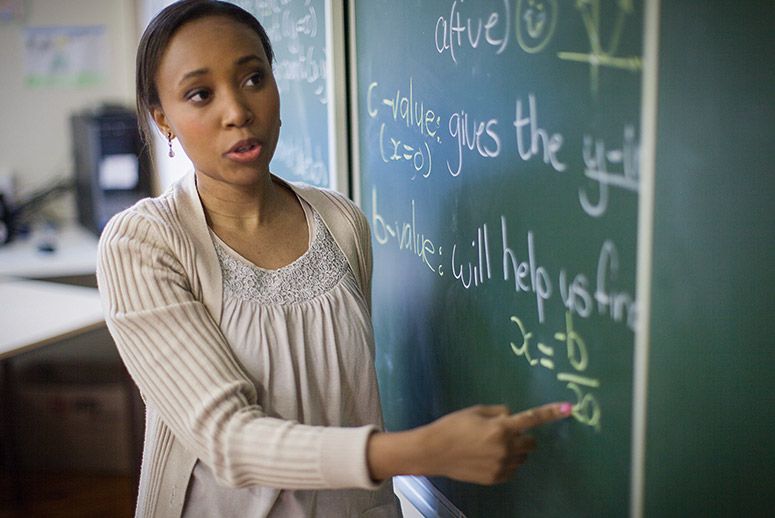
As the U.S. Congress debates the reauthorization of the Higher Education Act, a new paper in Policy Insights from the Behavioral and Brain Sciences urges lawmakers to focus on provisions aimed at increasing the numbers of black and Latinx teachers.

We are frequently told that COVID-19 is the greatest challenge of our generation, and perhaps the largest global crisis since World War II. So, what do we know about how people behave in crises? And how can we apply that understanding to manage the current pandemic?
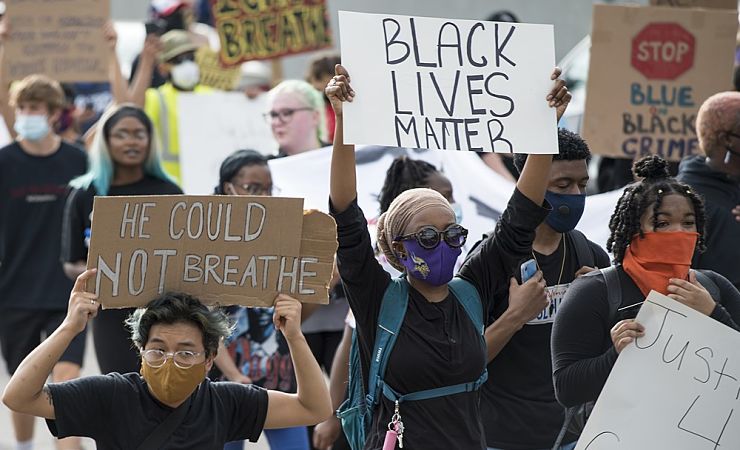
The way we are treated by the police tells us where we stand in society; if this treatment confirms the broader injustices to which our group has been subjected, then everything falls apart.
Pandemics inspire the most remarkable acts of unity and compassion (Solnit, 2009). They also lead to appalling acts of division and brutality […]
It is not surprising that in the midst of the COVID-19 crisis, aside from infection fears, gatherings of people on beaches, public transport and in parks were met with concern and even alarm. Crowds are associated with trouble. But crowds can be both destructive and constructive forces.
In an excerpt from Together Apart, three officials with Public Health England argue that he consequences of shared identity, which have been shown to be so important in building an effective community response to the pandemic — the mutual trust, influence and support — are equally important when it comes to community–authority relations.
While the pandemic is different other emergencies, there are important similarities: there is a mortal threat which can create fear; there is not enough protection for everyone under threat; and human action can mitigate (or exacerbate) that threat.
Countries across the world have been turning to behavioral science in the fight against coronavirus. In May, The New Scientist proclaimed that ‘behavioral science is […]

Four Americans working in the social and behavioral sciences are among the 20 people named MacArthur Fellows this year. Recipients may be […] Euan Adie, the founder of Altmetric and later of Overton, discusses the reasons the led to Overton’s focus on showing researchers how […] Here’s a couple of quick questions for you. What is the smallest of the eight discipline-based directorates at the United States’ National […] I was adding some final flourishes on the topic of ‘iatrocracy’ to my forthcoming book with Natewindé Sawadogo – Sickness and Social […] How is AI changing the shape and space of higher education? Critical thinking continues to rank highly among key skills and attributes […] My colleagues and I recently spoke with a group of talented, interesting students who just completed their first year of college about […]
EXPLORE
Impact
Four From Social Science World Receive 2026 MacArthur Fellowships
READ MORE

Quick Insight: Euan Adie on Getting Academics Credit for Their Impact
READ MORE

NSF’s Embattled SBE Directorate Shown as Agency’s Policy Heavyweight
READ MORE
Innovation

AI and ‘Iatrocracy’ – A Cautionary Tale
READ MORE

The Critical Student: How GenAI Reshapes Critical Skills and Higher Education’s Role Preparing Students For It
READ MORE

AI Doesn’t Drive Student Cheating. It Just Hitches a Ride
READ MORE