

Could Distributed Peer Review Better Decide Grant Funding?
The landscape of academic grant funding is notoriously competitive and plagued by lengthy, bureaucratic processes, exacerbated by difficulties in finding willing reviewers. Distributed […]

The impact of the pandemic on all sectors is only beginning to emerge and given the need for greater flexibility, adaptability and […]
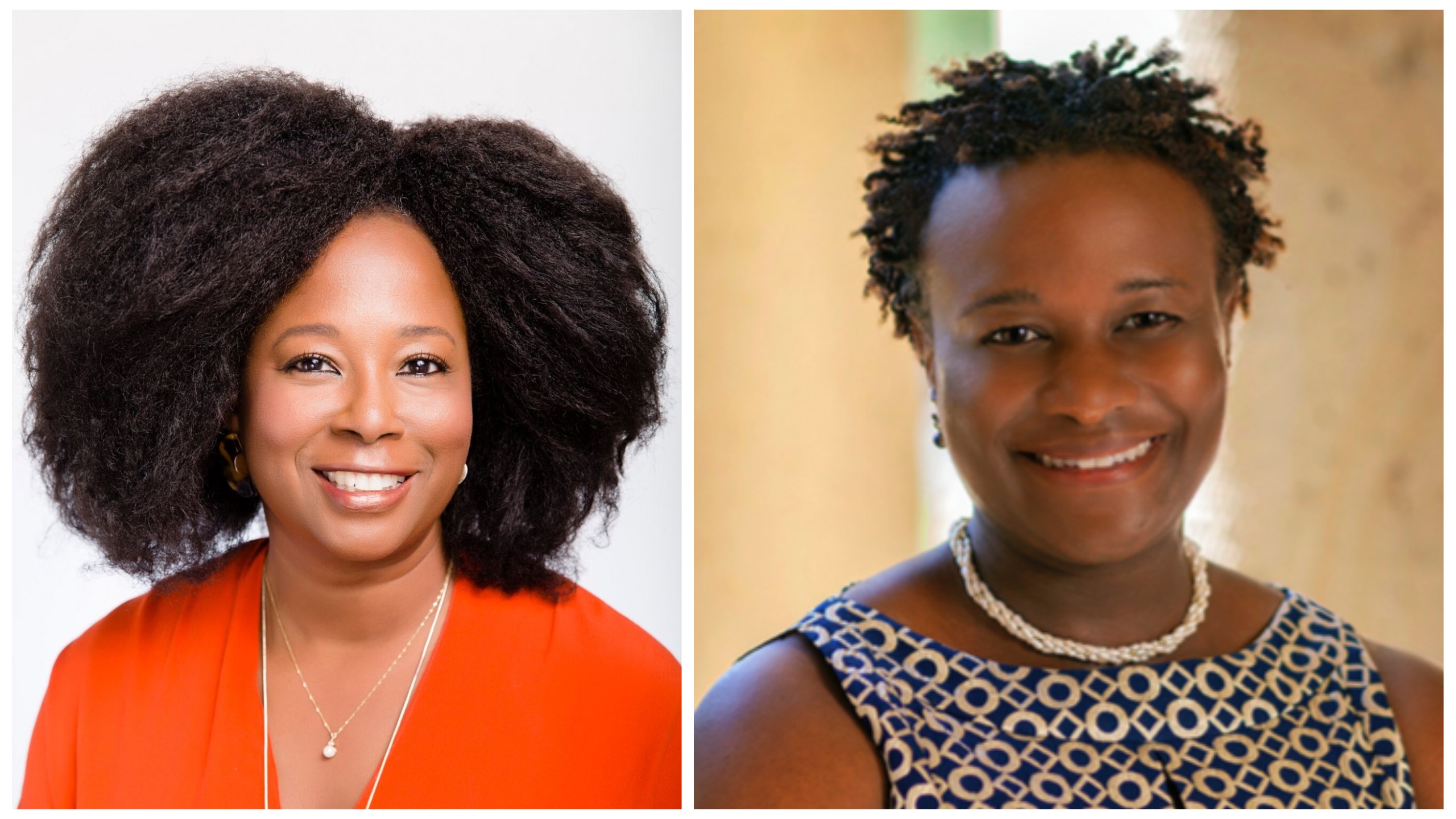
The American Sociological Association is pleased to announce the results of their 2021 ASA elections. Congratulations to the 2022-2023 President Prudence Carter […]

For the first time, the Congress of the Humanities and Social Sciences – Canada’s largest industry event and one of most comprehensive […]
Join the APDU for a free virtual workshop series that includes town halls (April 14-May12), trainings (June 16, August 18 and September […]
These are extraordinary times, and not just because we are coming through the greatest national trauma since the Second World War. The […]

Amid the ongoing pandemic, venues and events around the world are slowly reopening while others continue to remain online. Conferences in the […]

The guilty verdict in the trial of Derek Chauvin for the killing of George Floyd signposts a defining moment beyond policing. Finding Chauvin guilty on all counts should have consequences for policing in the United States, the trial-by-jury system and, crucially, race and justice.

Join the American Psychological Association for a free webinar on April 26, 2021. Improvements in the openness, rigor, and reproducibility of psychological […]
Jürgen Habermas, a globally known social theorist whose explorations of democracy, validity and communication have gained new prominence in the current moment, […] People often see science as a world apart: cool, rational and untouched by persuasion or performance. In this view, scientists simply discover […] “Research impact” means different things to different people. Some refer broadly to how science changes behaviors, beliefs, or practices outside academic institutions. […] David Canter considers informal places where people socialize, suggesting they’re an arena ChatGPT and other LLMs can’no’t replicate. As someone who lives […] It’s become cliche since Clive Humbly coined it in 2006, but data is indeed the new oil. It’s a mantra repeated by […] In September 2025, The Guardian reported about a lawyer in Australia having faced sanctions due to false citations. These citations were not […]
EXPLORE
Impact

Jürgen Habermas, 1929-2026: Exponent of the Public Sphere
READ MORE

Scientists Should Keep in Mind It’s Called the ‘Marketplace of Ideas’ for a Reason
READ MORE

Survey Finds Social Scientists Feel Unsupported in Seeking Societal Impact
READ MORE
Innovation

Reaching Parts to Which AI Has No Access
READ MORE

Andrea Medina-Smith on Making Research Data More FAIR
READ MORE

A Status Check on Hallucinated Case Law Incidents
READ MORE