


Could Distributed Peer Review Better Decide Grant Funding?
The landscape of academic grant funding is notoriously competitive and plagued by lengthy, bureaucratic processes, exacerbated by difficulties in finding willing reviewers. Distributed […]

Traditional approaches to sharing leadership focus on the attitude of the manager. But what about the attitudes of the underlings asked to step up?

According to the National Science Foundation, the percentage of American adults with a great deal of trust in the scientific community dropped […]

Economic historian and labor economist Claudia Goldin on Monday received the Sveriges Riksbank Prize in Economic Sciences in Memory of Alfred Nobel 2023, commonly known as the Nobel in economics. The citation from the Nobel Committee cited Goldin “for having advanced our understanding of women’s labor market outcomes.”

All pandemics of novel infectious diseases are accompanied by social pandemics of fear and action. Unless the social pandemics are artificially prolonged, […]
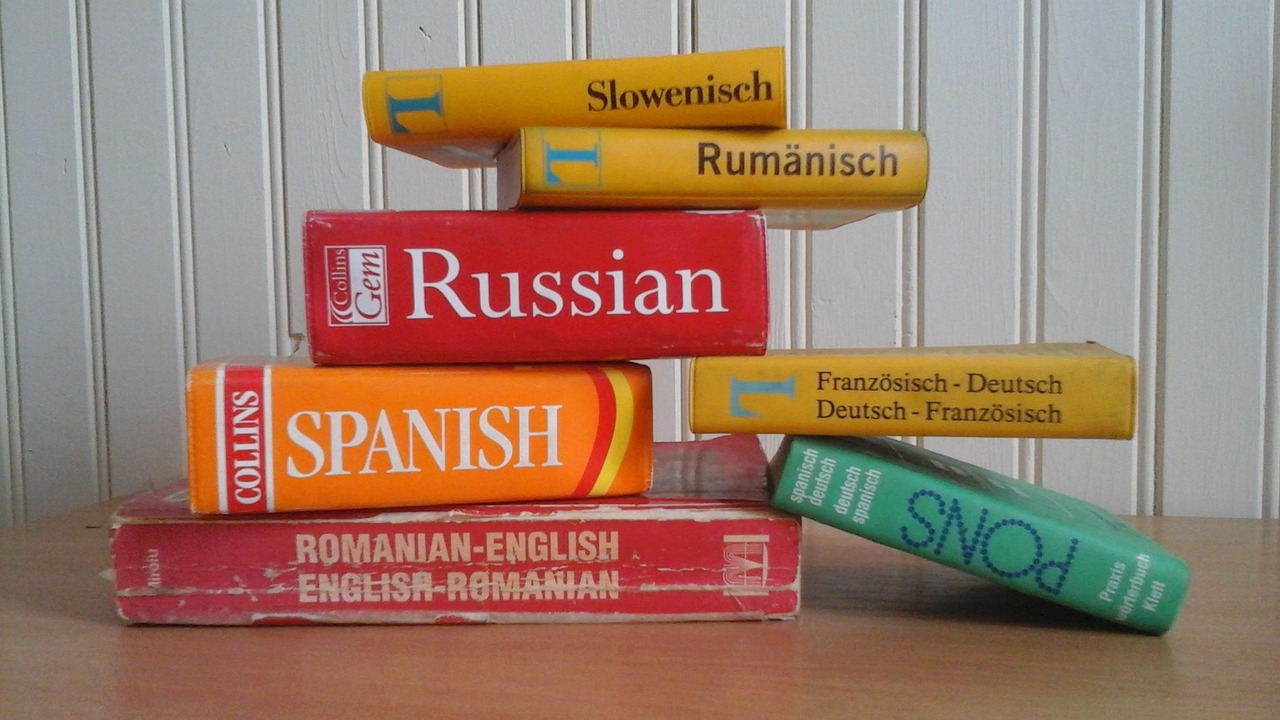
Headlines abound with the plight of endangered minority languages around the world. Read a few of these and you’ll see some common themes: the rising number of languages dying worldwide, the distressing isolation of individual last speakers and the wider cultural loss for humanity.
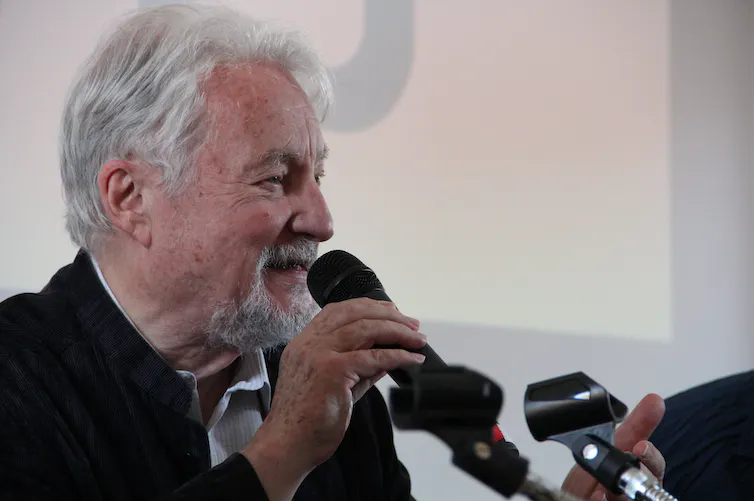
French anthropologist Marc Augé, who died on July 24, is renowned for his concept of “non-places”. His 1993 text of the same name describes a reality that is very much relevant to our everyday lives.
For over fifty years, this African American art form has adapted and evolved to new sounds, new artists, and new influences. At its heart, hip hop remains a form of self-expression and social justice, encouraging listeners to both “Bring the Noise” and “Fight the Power.”
The Covid-19 pandemic seems to be subsiding into a low-level endemic respiratory infection – although the associated pandemics of fear and action […]
Jürgen Habermas, a globally known social theorist whose explorations of democracy, validity and communication have gained new prominence in the current moment, […] People often see science as a world apart: cool, rational and untouched by persuasion or performance. In this view, scientists simply discover […] “Research impact” means different things to different people. Some refer broadly to how science changes behaviors, beliefs, or practices outside academic institutions. […] David Canter considers informal places where people socialize, suggesting they’re an arena ChatGPT and other LLMs can’no’t replicate. As someone who lives […] It’s become cliche since Clive Humbly coined it in 2006, but data is indeed the new oil. It’s a mantra repeated by […] In September 2025, The Guardian reported about a lawyer in Australia having faced sanctions due to false citations. These citations were not […]
EXPLORE
Impact

Jürgen Habermas, 1929-2026: Exponent of the Public Sphere
READ MORE

Scientists Should Keep in Mind It’s Called the ‘Marketplace of Ideas’ for a Reason
READ MORE

Survey Finds Social Scientists Feel Unsupported in Seeking Societal Impact
READ MORE
Innovation

Reaching Parts to Which AI Has No Access
READ MORE

Andrea Medina-Smith on Making Research Data More FAIR
READ MORE

A Status Check on Hallucinated Case Law Incidents
READ MORE