

Could Distributed Peer Review Better Decide Grant Funding?
The landscape of academic grant funding is notoriously competitive and plagued by lengthy, bureaucratic processes, exacerbated by difficulties in finding willing reviewers. Distributed […]

While the full story will probably have to await the attention of historians, writes Robert Dingwall, but anyone who criticized masking was labeled as a peddler of disinformation.
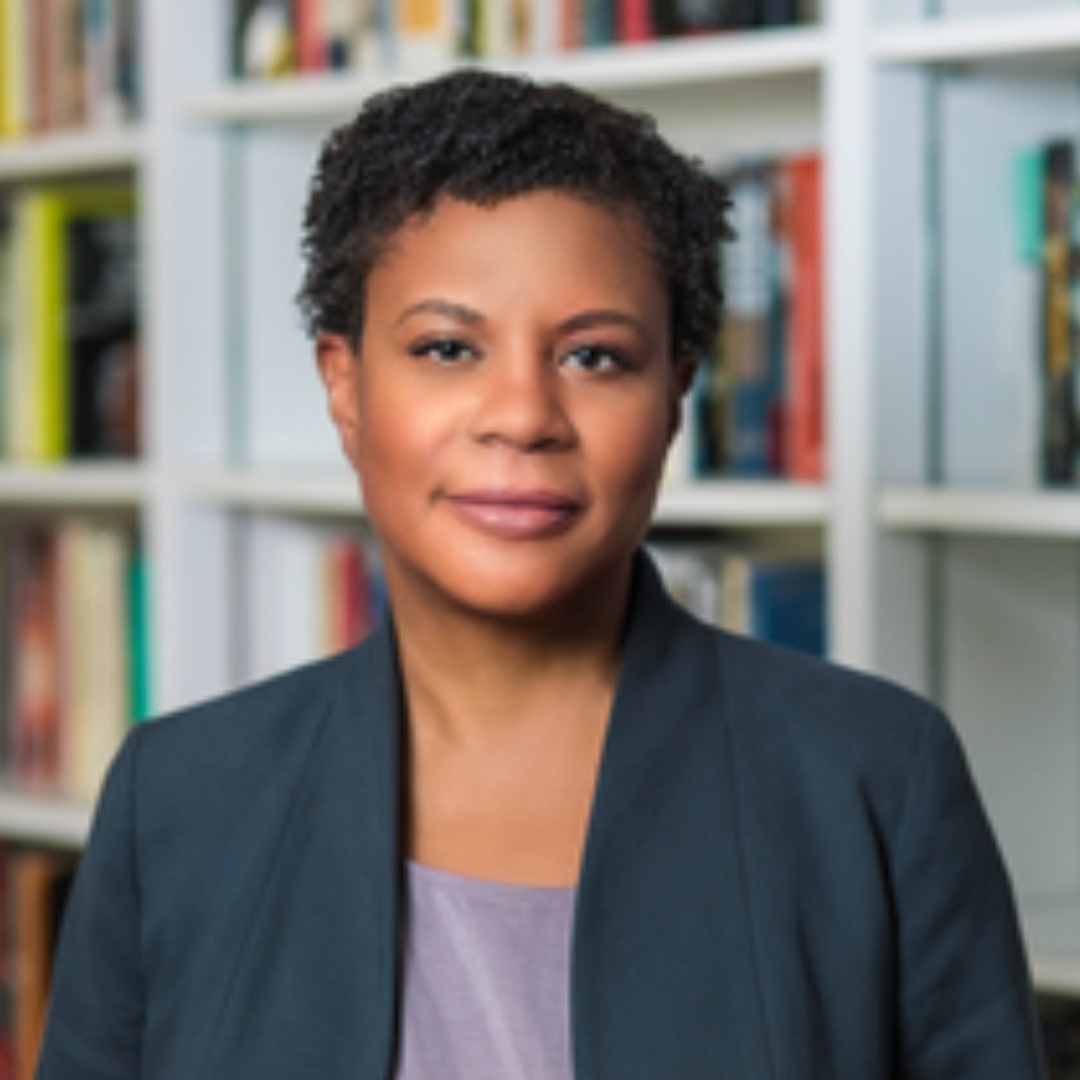
Sociologist Alondra Nelson, deputy director of the White House Office of Science and Technology Policy and the most senior adviser on social science in the Biden administration, will resign her post effective February 10.

Just as sidewalk curb-cuts can improve the daily commute of pedestrians and cyclists, as well as people who transport themselves using wheelchairs, steps motivated by the need to communicate with people with low visual acuity can result in broad-based design improvements.
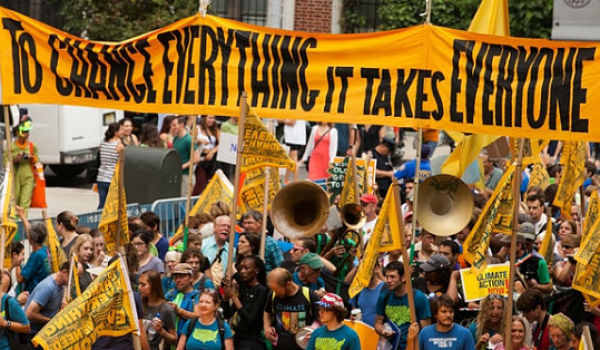
As researchers in growing numbers subscribe to movements, Giuseppe Delmestri argues that researchers have a duty to take positions that align with their work, rather than hide behind claims to value-neutrality.
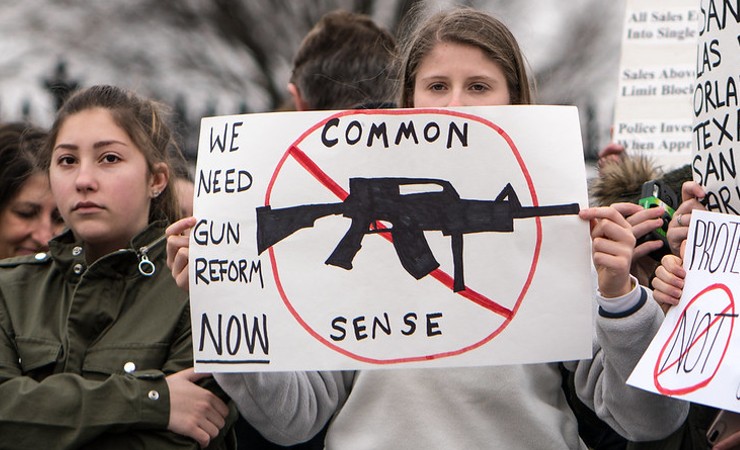
Every day across the United States, more than 120 people die from firearm injuries. This is a crisis that requires urgent attention from the scientific community, and social scientists have a critical role to play.
Britain’s Economic and Social Research Council (ESRC) announced winners in six categories of its Celebrating Impact Prize 2022 on Nov. 3. Now in its tenth year, the prize celebrates the success of ESRC-funded researchers in achieving and enabling outstanding economic or societal impact from excellent research. The ESRC is the UK’s largest f

Henri Bergeron et al. Covid-19: Une Crise Organisationelle Sciences Po: Les Presses, 2020. 9782724626650Jean-Paul Gaudillière et al Pandémopolitiqiue La Découverte, 2021. 9782348066153 […]
Another day, another report revealing the damage from COVID policies to children and their development. A BBC study has found a 10 […]

The Royal Swedish Academy of Sciences has awarded this year’s Nobel Prize in Economic Sciences to the American economists Robert E. Hall […] Four Americans working in the social and behavioral sciences are among the 20 people named MacArthur Fellows this year. Recipients may be […] Euan Adie, the founder of Altmetric and later of Overton, discusses the reasons the led to Overton’s focus on showing researchers how […] The following is an adapted extract from The Cultural Industries, fifth edition, by David Hesmondhalgh. The increasing presence of information technology (IT) […] Developers of AI data centers have a public trust problem. According to multiple surveys, a majority of Americans say they would oppose […] I was adding some final flourishes on the topic of ‘iatrocracy’ to my forthcoming book with Natewindé Sawadogo – Sickness and Social […]
EXPLORE
Impact
Economic Peaks, Troughs and This Year’s Nobelists in Economics
READ MORE
Four From Social Science World Receive 2026 MacArthur Fellowships
READ MORE

Quick Insight: Euan Adie on Getting Academics Credit for Their Impact
READ MORE
Innovation
IT Giants and Their Operations: Should We Be Concerned?
READ MORE

What We Miss When We Study Public Trust with Surveys Alone
READ MORE

AI and ‘Iatrocracy’ – A Cautionary Tale
READ MORE