

Could Distributed Peer Review Better Decide Grant Funding?
The landscape of academic grant funding is notoriously competitive and plagued by lengthy, bureaucratic processes, exacerbated by difficulties in finding willing reviewers. Distributed […]
Could it be that business studies is the new criminology? Given the hijinks we’ve seen in the financial world the last few years, Cardiff’s Mike Marinetto makes that case that it could be.
The Executive Branch’s proposed budget for NSF in the coming fiscal year will be presented to the House Appropriations Committee on Thursday. A competing spending plan that would be markedly less friendly to social, behavioral and economic science is already circulating.

Thousands of scientists across the US feel cutbacks are seriously restricting their research and contributions. Gretchen Goldman asks scientists for their reaction and about impact on their work
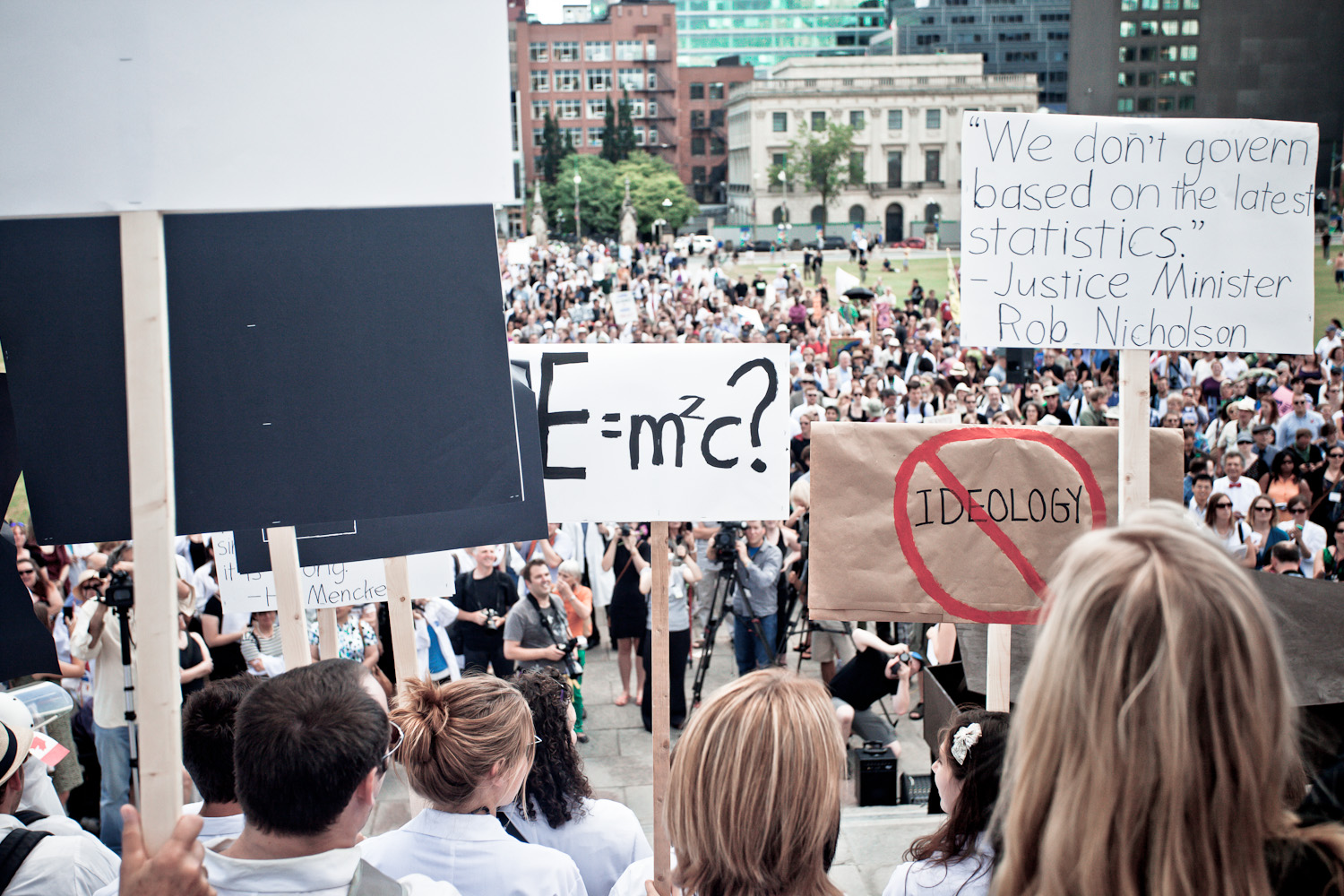
Canadian scientists are being prevented by the state from discussing research findings in public, even about earthquakes in their backyard. Mark Frary reports
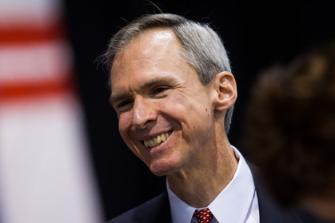
How concerned should the social science community be about the still substantial chunk of money missing from federal social science support in a hotly contested National Science Foundation reauthorization bill? According to Daniel Lipinski, the very conservative Democratic congressman whose amendment backfilled $50 million that even more conservative Republicans wanted to take away, a lot and a little.
A survey of White House advisers from three administrations reveals that what they want from researchers is less options than opinions, and less journal citations than citations by journalists.
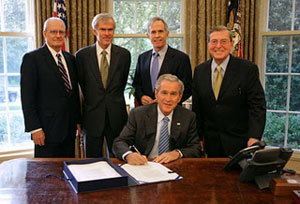
The social and behavioral component of the National Science Foundation’s budget is a small part of the total but of paramount importance to the discipline’s researchers, a relationship brought home as Congress gets ready to discuss funding.
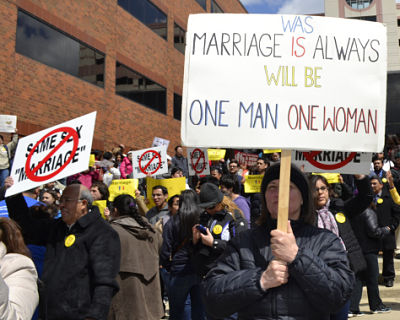
A friend of the court brief just filed by the American Sociological Association in defense of legalizing gay marriage offers a perch for observing how scholarly organizations sometimes weigh in when matters of public policy reach the courtroom.

The Royal Swedish Academy of Sciences has awarded this year’s Nobel Prize in Economic Sciences to the American economists Robert E. Hall […] Four Americans working in the social and behavioral sciences are among the 20 people named MacArthur Fellows this year. Recipients may be […] Euan Adie, the founder of Altmetric and later of Overton, discusses the reasons the led to Overton’s focus on showing researchers how […] The following is an adapted extract from The Cultural Industries, fifth edition, by David Hesmondhalgh. The increasing presence of information technology (IT) […] Developers of AI data centers have a public trust problem. According to multiple surveys, a majority of Americans say they would oppose […] I was adding some final flourishes on the topic of ‘iatrocracy’ to my forthcoming book with Natewindé Sawadogo – Sickness and Social […]
EXPLORE
Impact
Economic Peaks, Troughs and This Year’s Nobelists in Economics
READ MORE
Four From Social Science World Receive 2026 MacArthur Fellowships
READ MORE

Quick Insight: Euan Adie on Getting Academics Credit for Their Impact
READ MORE
Innovation

IT Giants and Their Operations: Should We Be Concerned?
READ MORE

What We Miss When We Study Public Trust with Surveys Alone
READ MORE

AI and ‘Iatrocracy’ – A Cautionary Tale
READ MORE