

Could Distributed Peer Review Better Decide Grant Funding?
The landscape of academic grant funding is notoriously competitive and plagued by lengthy, bureaucratic processes, exacerbated by difficulties in finding willing reviewers. Distributed […]
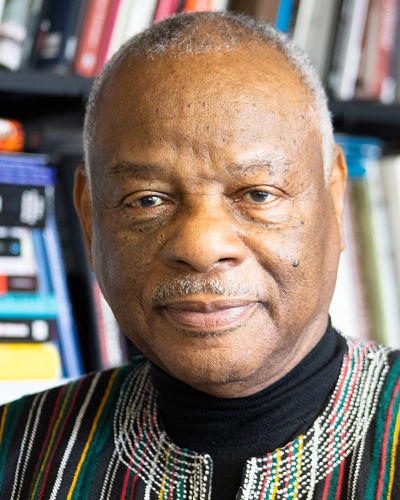
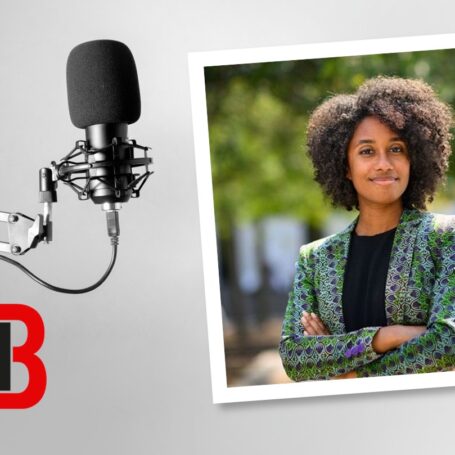
In this Social Science Bites podcast, Molefi Kete Asante offers an insiders view of the growth of the Afrocentric paradigm, from the founding of the Journal of Black Studies a half century ago to the debates over critical race theory today.
There is inequality in the United States, a fact most people accept and which data certainly bears out. But how bad do you think that inequality is, say, based on comparing the wealth held by the average Black person in America and the average white person?
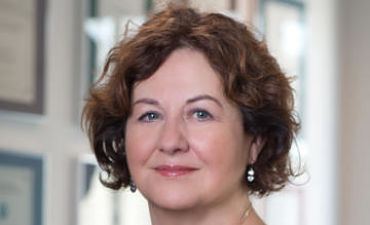
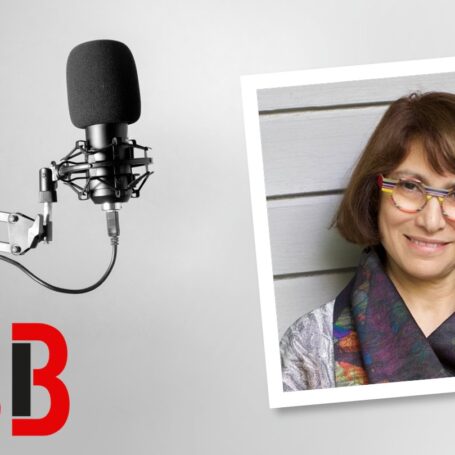
The study of stigma, is, says Michèle Lamont, a “booming field.” That assessment can be both sad and hopeful, and in this Social Science Bites podcast the Harvard sociologist explains stigma’s manifestations and ways to combat it, as well as what it takes a for a researcher to actually study stigma.
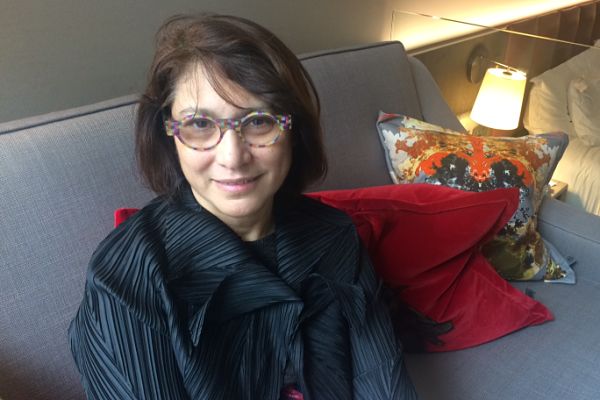
“The brain is an association-seeking machine,” Harvard social psychologist Mahzarin R. Banaji tells interviewer David Edmonds in this Social Science Bites podcast. “It puts things together that repeatedly get paired in our experience. Implicit bias is just another word for capturing what those are when they concern social groups.
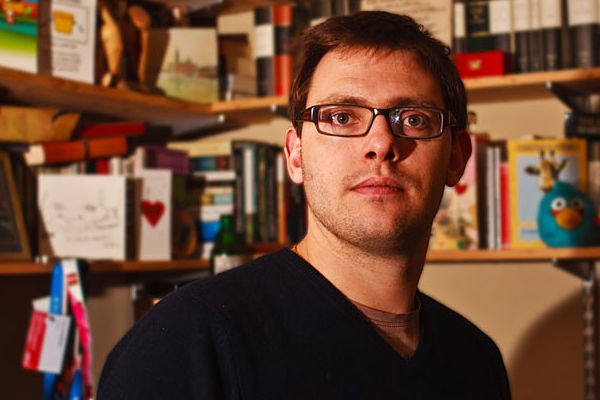
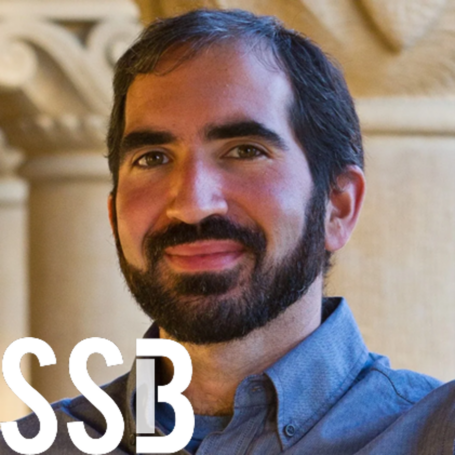
Philosopher Tom Chatfield’s media presence – which is substantial – is often directly linked to his writings on technology. But his new book is on critical thinking, and while that involves humanity’s oldest computer, the brain, Chatfield explains in this Social Science Bites podcast that new digital realities interact with old human biases.
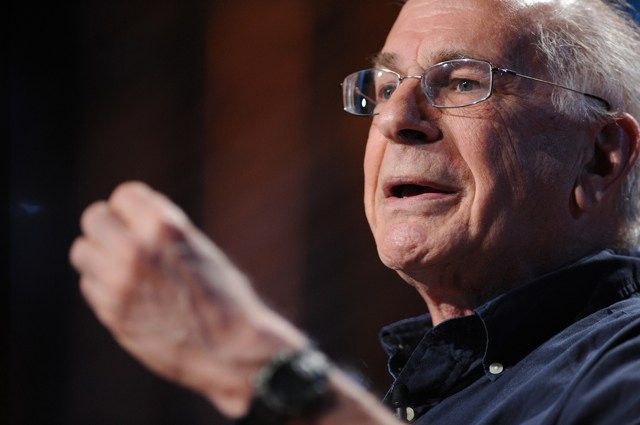
Thinking is hard, and most of the time we rely on simple psychological mechanisms that can lead us astray. In this episode of the Social Science Bites podcast, the Nobel-prizewinning psychologist Daniel Kahneman, author of Thinking, Fast and Slow, talks to Nigel Warburton about biases in our reasoning.

Four Americans working in the social and behavioral sciences are among the 20 people named MacArthur Fellows this year. Recipients may be […] Euan Adie, the founder of Altmetric and later of Overton, discusses the reasons the led to Overton’s focus on showing researchers how […] Here’s a couple of quick questions for you. What is the smallest of the eight discipline-based directorates at the United States’ National […] I was adding some final flourishes on the topic of ‘iatrocracy’ to my forthcoming book with Natewindé Sawadogo – Sickness and Social […] How is AI changing the shape and space of higher education? Critical thinking continues to rank highly among key skills and attributes […] My colleagues and I recently spoke with a group of talented, interesting students who just completed their first year of college about […]
EXPLORE
Impact
Four From Social Science World Receive 2026 MacArthur Fellowships
READ MORE

Quick Insight: Euan Adie on Getting Academics Credit for Their Impact
READ MORE

NSF’s Embattled SBE Directorate Shown as Agency’s Policy Heavyweight
READ MORE
Innovation

AI and ‘Iatrocracy’ – A Cautionary Tale
READ MORE

The Critical Student: How GenAI Reshapes Critical Skills and Higher Education’s Role Preparing Students For It
READ MORE

AI Doesn’t Drive Student Cheating. It Just Hitches a Ride
READ MORE