

Could Distributed Peer Review Better Decide Grant Funding?
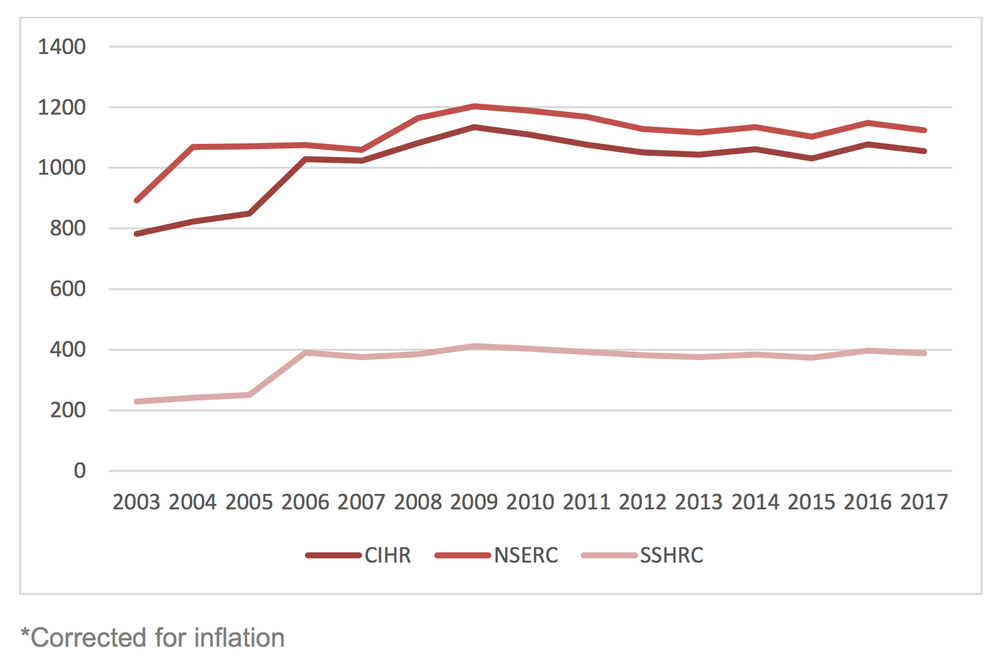
The landscape of academic grant funding is notoriously competitive and plagued by lengthy, bureaucratic processes, exacerbated by difficulties in finding willing reviewers. Distributed […]

While Halloween is always an exciting time for candy manufacturers, costume sellers and youngsters who are often allowed a small binge in candy consumption, a different group of people also lick their lips in anticipation — behavioral scientists.
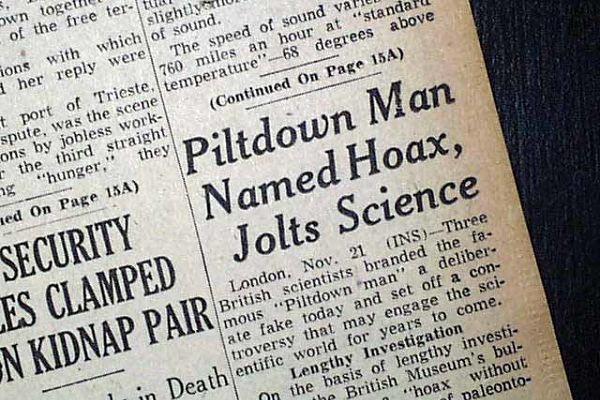
Having worked in academia for the past 30 years and currently serving as vice president of the Academy of Science of South Africa, Brenda Wingfield says she believes peer review and the publication process is perhaps more important than ever in this era of ‘fake news’ – and not just for scientists and academics.
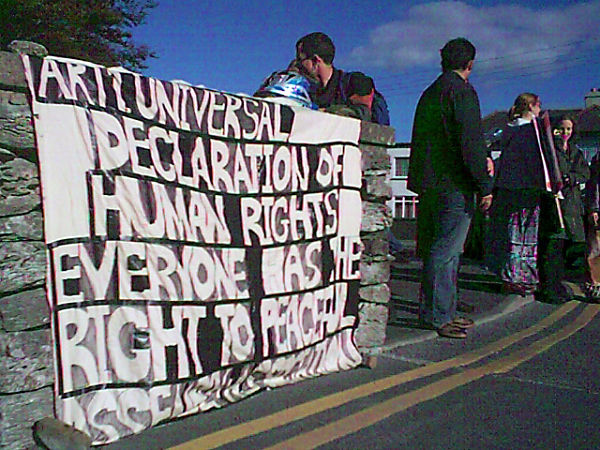
The response on many universities to a high tide of intolerance has been to limit free speech. That, says James Turk, is exactly the wrong response.

Evidence shows that the Australian government’s ‘nudge unit’ may be the wrong way to address major problems like inequality, argue Andrew Frain and Randal Tame.
The US attorney general has been mocked for wanting to bring back a discredited drug-prevention program from the Reagan era. But have evidence-based researchers created a modern-day version that might actually perform as promised?

Replication and reproducibility have been big issues in medicine and psychology and economics, but les talked about in fields like archaeology. Here, Ben Marwick and Zenobia Jacobs discuss their latest paper’s reproducibility strategy and its tactics during fieldwork, labwork and data analysis.
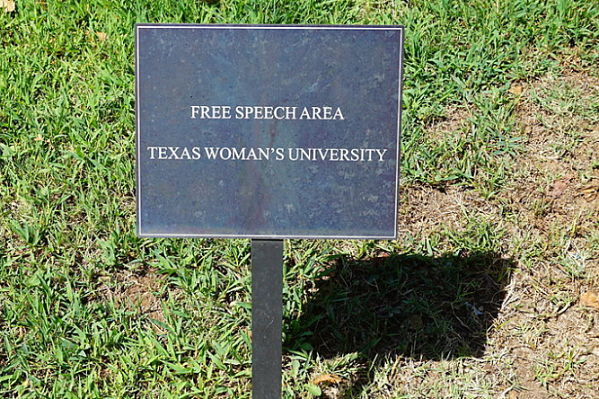
Around the United States, state lawmakers have been talking about – and legislating – ways intended to protect free speech on college campuses. Bt some of the approaches may do more harm than good, argues Neal Hutchens.
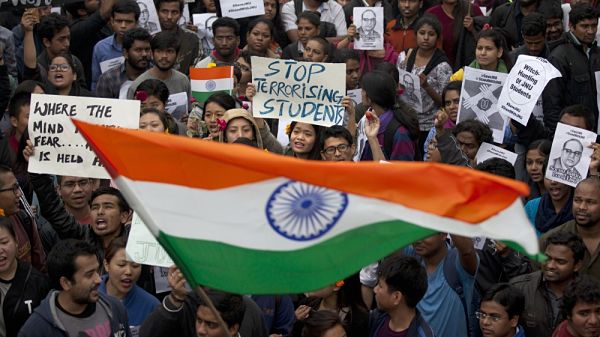
The only way out of the current state of tension for Indian universities, argues political scientists Aftab Alam, is for the institutions to learn to tolerate everything except intolerance.

The Royal Swedish Academy of Sciences has awarded this year’s Nobel Prize in Economic Sciences to the American economists Robert E. Hall […] Four Americans working in the social and behavioral sciences are among the 20 people named MacArthur Fellows this year. Recipients may be […] Euan Adie, the founder of Altmetric and later of Overton, discusses the reasons the led to Overton’s focus on showing researchers how […] The following is an adapted extract from The Cultural Industries, fifth edition, by David Hesmondhalgh. The increasing presence of information technology (IT) […] Developers of AI data centers have a public trust problem. According to multiple surveys, a majority of Americans say they would oppose […] I was adding some final flourishes on the topic of ‘iatrocracy’ to my forthcoming book with Natewindé Sawadogo – Sickness and Social […]
EXPLORE
Impact
Economic Peaks, Troughs and This Year’s Nobelists in Economics
READ MORE

Four From Social Science World Receive 2026 MacArthur Fellowships
READ MORE

Quick Insight: Euan Adie on Getting Academics Credit for Their Impact
READ MORE
Innovation

IT Giants and Their Operations: Should We Be Concerned?
READ MORE

What We Miss When We Study Public Trust with Surveys Alone
READ MORE

AI and ‘Iatrocracy’ – A Cautionary Tale
READ MORE