




Could Distributed Peer Review Better Decide Grant Funding?
The landscape of academic grant funding is notoriously competitive and plagued by lengthy, bureaucratic processes, exacerbated by difficulties in finding willing reviewers. Distributed […]

As governments seek practical metrics for determining if their research funding is money wisely spent, the quest for ‘impact’ takes on great importance. Drawing from the Australian experience, Stephen Taylor addresses several key measurement principles.
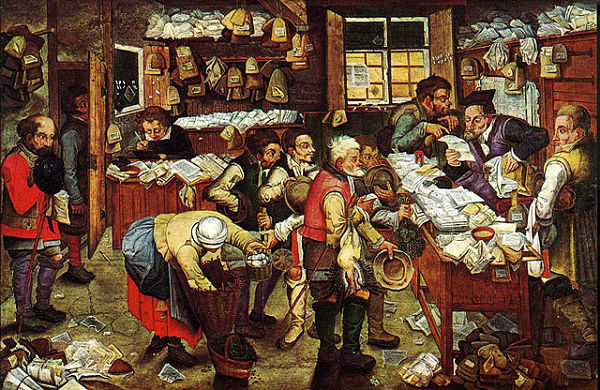
It’s that time of year again: tax-filing season. Millions of Americans are probably downloading the latest version of their tax preparation software […]

In the past few years there has been an insidious rise in predatory journals and publishers, notes Adele Thomas, and African academics have not been immune to their predation.

There are some cherished myths about diversity that aren’t supported by the research evidence. While these myths are appealing on a societal level, says Alice H, Eagly, it’s a mistake to allow distortions to remain unchallenged.
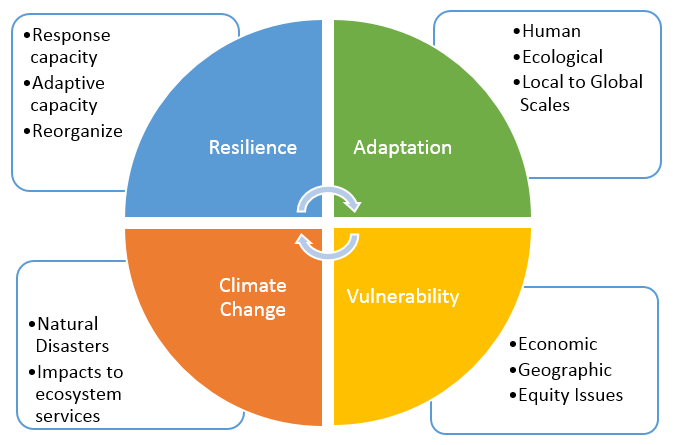
As we are often reminded, we urgently and drastically need to limit our use of one shared resource – fossil fuels – and its effect on another – the climate. But how realistic is this goal, both for national leaders and for us? Well, psychology may hold some answers.

The current A-Level exams in psychology taken by British teens reflect a curriculum focusing on ‘problems’ within individuals, argue two UK psychologists, rather than taking into account the influence of society on people’s actions and behavior.

While murder and torture are inherently of concern, Giulio Regeni’s case has much broader implications for higher education in the UK and beyond, argues his friend Neil Pyper.
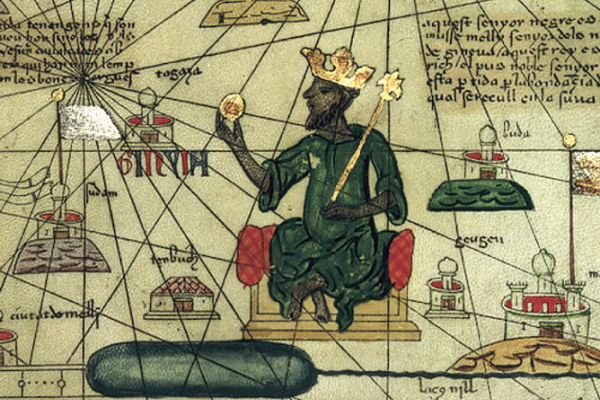
A new report from Oxfam about the astounding concentration of wealth among tiny subset of the 1 percent raises the question, ‘Is inequality inevitable in human society?’

The Royal Swedish Academy of Sciences has awarded this year’s Nobel Prize in Economic Sciences to the American economists Robert E. Hall […] Four Americans working in the social and behavioral sciences are among the 20 people named MacArthur Fellows this year. Recipients may be […] Euan Adie, the founder of Altmetric and later of Overton, discusses the reasons the led to Overton’s focus on showing researchers how […] The following is an adapted extract from The Cultural Industries, fifth edition, by David Hesmondhalgh. The increasing presence of information technology (IT) […] Developers of AI data centers have a public trust problem. According to multiple surveys, a majority of Americans say they would oppose […] I was adding some final flourishes on the topic of ‘iatrocracy’ to my forthcoming book with Natewindé Sawadogo – Sickness and Social […]
EXPLORE
Impact
Economic Peaks, Troughs and This Year’s Nobelists in Economics
READ MORE

Four From Social Science World Receive 2026 MacArthur Fellowships
READ MORE

Quick Insight: Euan Adie on Getting Academics Credit for Their Impact
READ MORE
Innovation

IT Giants and Their Operations: Should We Be Concerned?
READ MORE

What We Miss When We Study Public Trust with Surveys Alone
READ MORE

AI and ‘Iatrocracy’ – A Cautionary Tale
READ MORE












































































