

Could Distributed Peer Review Better Decide Grant Funding?
The landscape of academic grant funding is notoriously competitive and plagued by lengthy, bureaucratic processes, exacerbated by difficulties in finding willing reviewers. Distributed […]
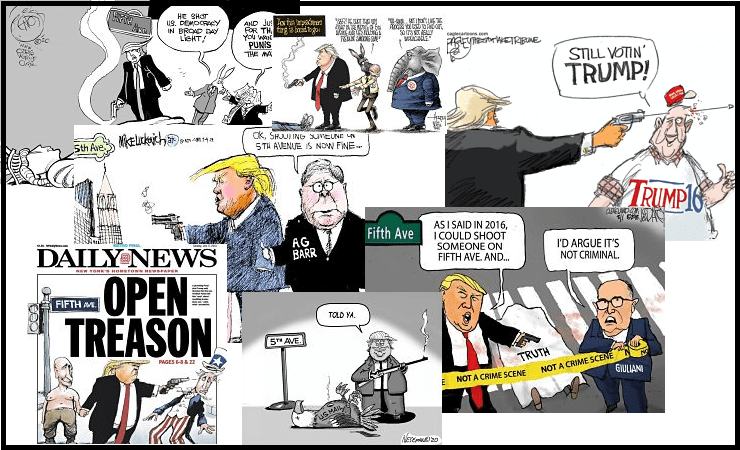
We found that not only did approval/liking of President Trump strongly, and positively, predict Americans’ approval of his handling of the pandemic, but it also had significant, negative effects on personal protection behaviors.
More than 50 years ago, George Miller, president of the American Psychological Association, urged his colleagues “to give psychology away.” No, cynical […]

Anna Harvey, founding director of the Public Safety Lab at New York University, has been named the 15th president of the New York-based Social Science Research Council.

Drawing on a linguistic analysis of REF Impact statements from 2014, Andrea Bonaccorsi, highlights key differences between statements being made by scholars in STEM and SSH disciplines and suggests differences in the causality of impact between the disciplines warrant a reconsideration of how these statements are produced and judged.
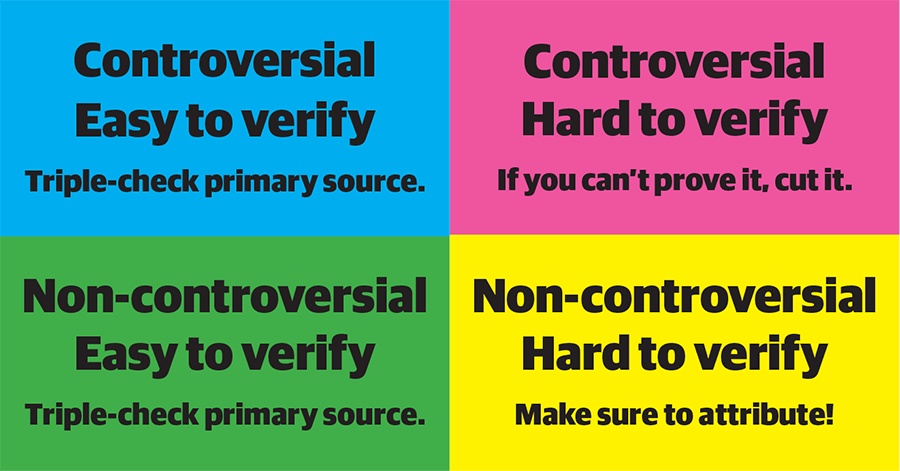
Fact and perception are simply different categories, neither of which is necessarily more important than the other, argues Steve Lubet. . The challenge for ethnographers lies in making clear and careful distinctions between what they have actually seen and what they have only heard about.

Join the APDU for a free virtual workshop series that includes town halls (April 14-May12), trainings (June 16, August 18 and September […]
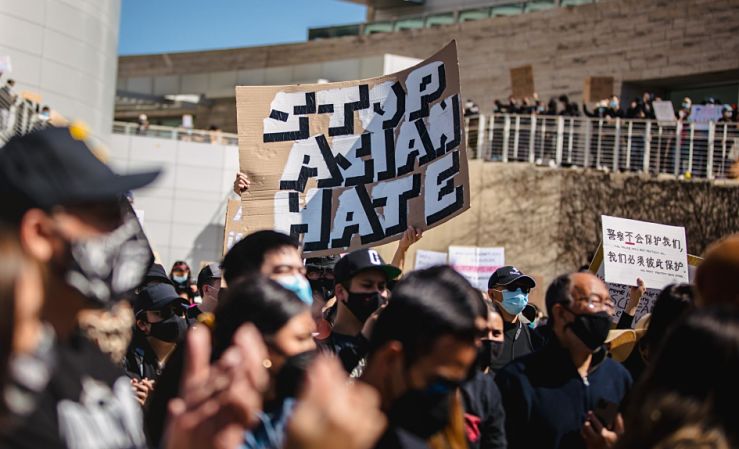
For decades, American society has normalized the presence of anti-Asian humor. Caricatured on television, belittled at comedy clubs, targeted on social media, and mocked in private conversations, this subtle, yet widely accepted form of racism dehumanizes the Asian American Pacific Islander (AAPI) community.
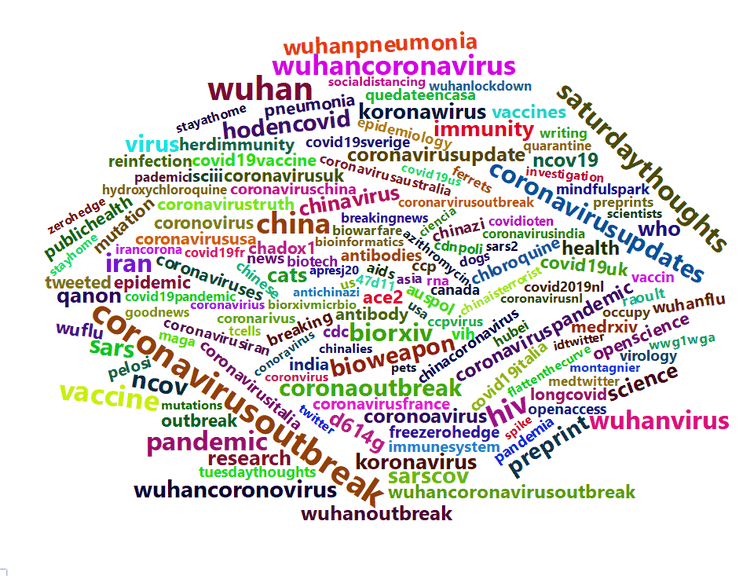
New research suggests that the pandemic has resulted in scientists increasingly using preprints to release findings, and that these papers are read more frequently.
When people trust science, they can make better decisions, follow helpful rules and work together on big problems like health, climate change […] Do you know a social or behavioral science researcher whose work resonates across disciplines and which has made a significant impact in […] Please note: this contest has now closed. The winner will be contacted in due course. This November, Sage and Overton invite you to share the unexpected […] The latest generation of artificial intelligence models is sharper and smoother, producing polished text with fewer errors and hallucinations. As a philosophy […] In a new white paper by Tom Chatfield, the philosopher of tech and critical thinking outlines a practical roadmap for integrating artificial intelligence into […] Distance learning far precedes the digital age. Before online courses, people relied on print materials (and later radio and other technologies) to […]
EXPLORE
Impact

There Is a Cost to Being Honest About Science
READ MORE

Outstanding Social and Behavioral Scientists Sought for Sage-CASBS Award
READ MORE
Share Your Most Surprising Policy Citation for Chance to Win $500 [Closed]
READ MORE
Innovation

An AI Authorship Protocol Aims to Sharpen a Sometimes-Fuzzy Line
READ MORE

A Box Unlocked, Not A Box Ticked: Tom Chatfield on AI and Pedagogy
READ MORE

AI Gaming of Some Online Courses Threatens Their Credibility
READ MORE