


Could Distributed Peer Review Better Decide Grant Funding?
The landscape of academic grant funding is notoriously competitive and plagued by lengthy, bureaucratic processes, exacerbated by difficulties in finding willing reviewers. Distributed […]
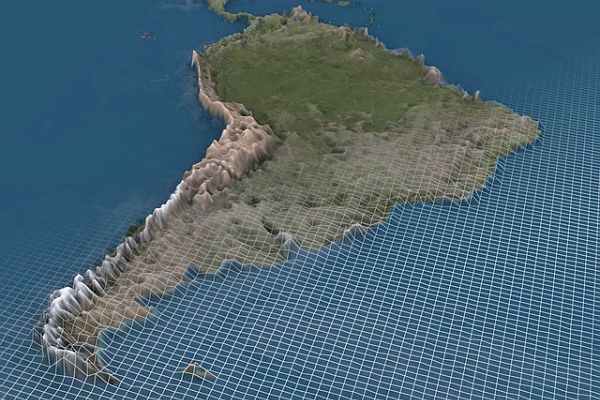
Many research evaluation systems continue to take a narrow view of excellence, judging the value of work based on the journal in which it is published. Recent research by Diego Chavarro, Ismael Ràfols and colleagues shows how such systems underestimate and prove detrimental to the production of research relevant to important social, economic, and environmental issues and reflect the biases of journal citation databases which focus heavily on English-language research from the US and Western Europe.
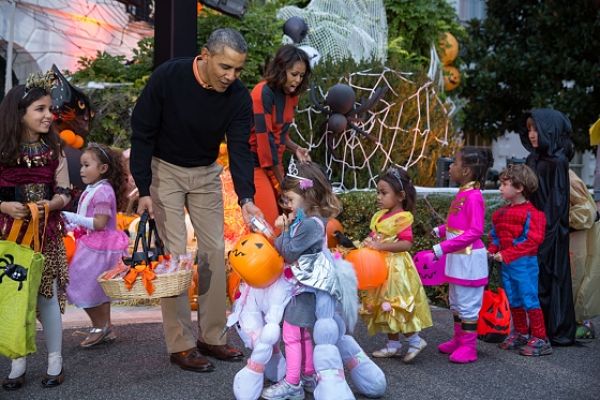
While Halloween is always an exciting time for candy manufacturers, costume sellers and youngsters who are often allowed a small binge in candy consumption, a different group of people also lick their lips in anticipation — behavioral scientists.
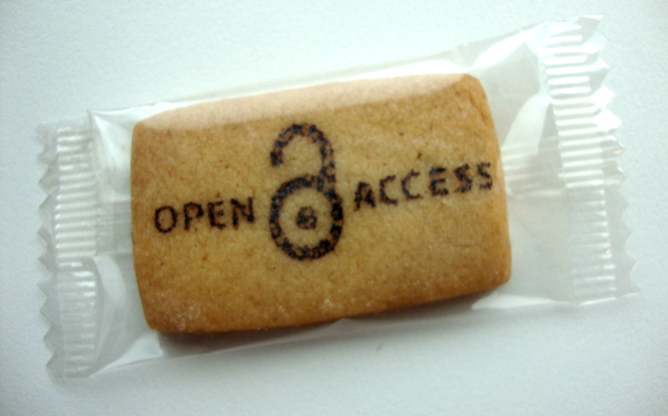
Publishing remains a key part of the mission of many British learned societies, as does disseminating scholarship and staying afloat. A new report appearing in December, and previewed at a September meeting, will offer some direction for organizations trying to reduce the tension that open access may create among those goals.
The success of academic research in reaching out beyond its own scientific community is a perennial concern, even more so following the rapid adoption of social media and the ability to easily transmit information to potentially millions of people. But is increased social media attention really indicative of “broader impact”? A new study suggests social media does not broaden scientific communication, but rather replicates and perpetuates pre-established disciplinary boundaries.
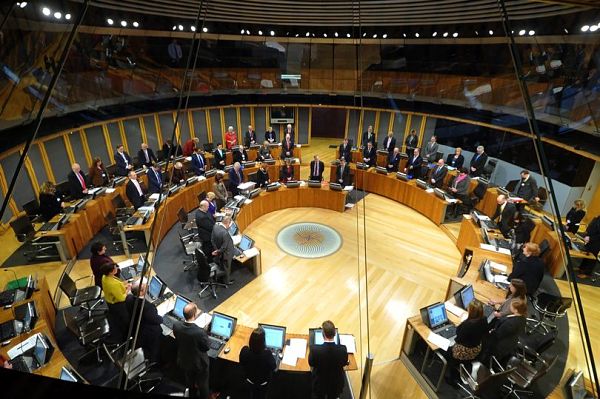
An online tool aimed at helping researchers demonstrate their work’s impact to policymakers has been launched by the Campaign for Social Science in collaboration with Cardiff University. While it’s focused on Wales, the toolkit is seen as a template for working with other governments
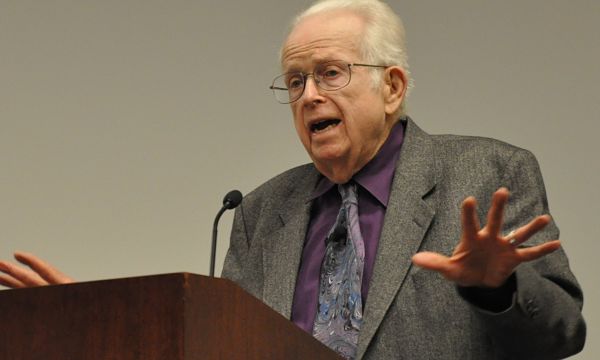
Sociologist Neil Smelser, whose research on collective behavior and economic sociology were rivaled by his tenure as a mentor, teacher, and liaison to a restive University of California-Berkeley student body in the 1960s, has died at age 87.
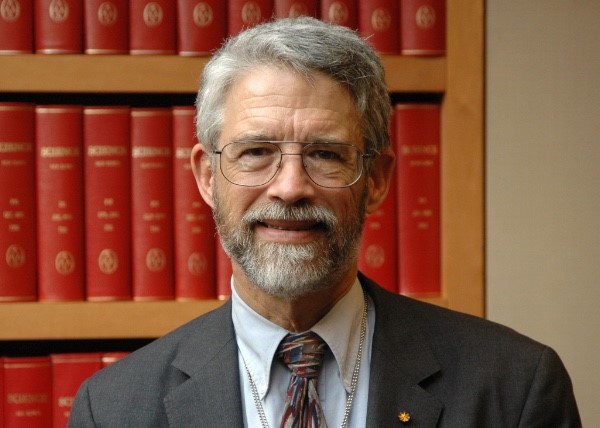
Physicist John Holdren, the longest-serving presidential science adviser in U.S. history, will receive the 2018 Daniel Patrick Moynihan Prize from the American Academy of Political and Social Science. This marks the first time that the Moynihan Prize has gone to a natural scientist.
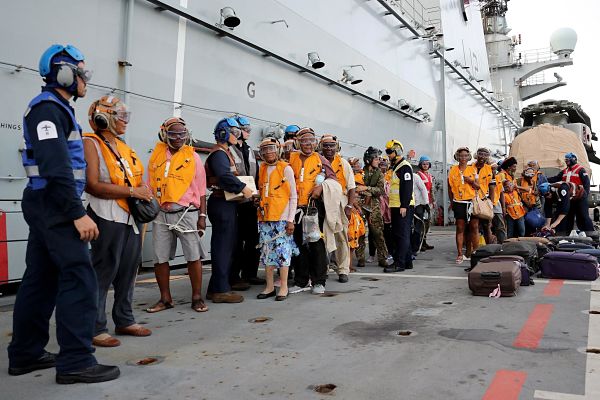
A key part of response to a disaster is timely and effective evacuation. That in turn taps into a wide range of human responses, and psychology is there to help create the most effective strategies.
People often see science as a world apart: cool, rational and untouched by persuasion or performance. In this view, scientists simply discover […] “Research impact” means different things to different people. Some refer broadly to how science changes behaviors, beliefs, or practices outside academic institutions. […] One researcher studies how war affects children, another took a literal worm’s eye view to examine rural development, while two others scrutinized […] David Canter considers informal places where people socialize, suggesting they’re an arena ChatGPT and other LLMs can’no’t replicate. As someone who lives […] It’s become cliche since Clive Humbly coined it in 2006, but data is indeed the new oil. It’s a mantra repeated by […] In September 2025, The Guardian reported about a lawyer in Australia having faced sanctions due to false citations. These citations were not […]
EXPLORE
Impact
Scientists Should Keep in Mind It’s Called the ‘Marketplace of Ideas’ for a Reason
READ MORE

Survey Finds Social Scientists Feel Unsupported in Seeking Societal Impact
READ MORE
Canada’s SSHRC Names 2025 Impact Winners
READ MORE
Innovation

Reaching Parts to Which AI Has No Access
READ MORE
Andrea Medina-Smith on Making Research Data More FAIR
READ MORE
A Status Check on Hallucinated Case Law Incidents
READ MORE