
Could Distributed Peer Review Better Decide Grant Funding?
The landscape of academic grant funding is notoriously competitive and plagued by lengthy, bureaucratic processes, exacerbated by difficulties in finding willing reviewers. Distributed […]

We’re pleased to announce six new virtual special issues from The Journal of Applied Behavioral Science! Compiled by The Journal of Applied […]

A new report from the World Health Organization on the response to the African Ebola outbreak backs up what our Robert Dingwall has been writing all along — by downplaying social science lives have been lost. The question now is whether a new WHO can improve.
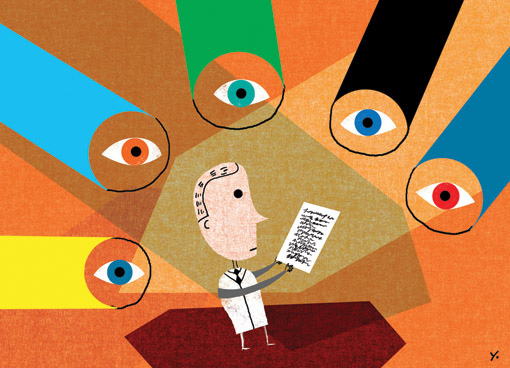
If the mental picture of peer review turned from it being a chore to it being a career-builder, it’s reasonable to think that all of academe might prosper. An interview with a co-founder of Publons, a company which aims to do just that.
In the latest podcast from Family Business Review, assistant editor Karen Vinton and author Robert Smith discuss his article on the usefulness […]
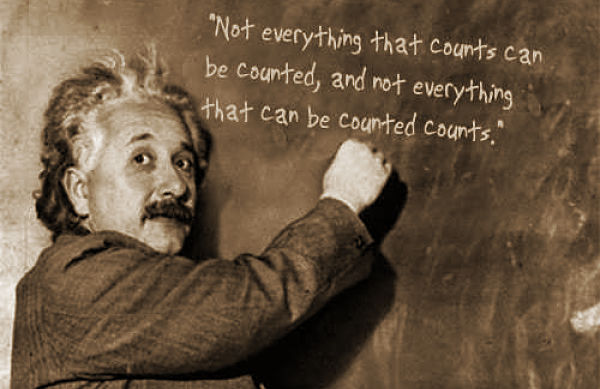
A new report looking at the role of metrics in analyzing British academe finds, ‘A lot of the things we value most in academic culture resist simple quantification, and individual indicators can struggle to do justice to the richness and diversity of our research.’
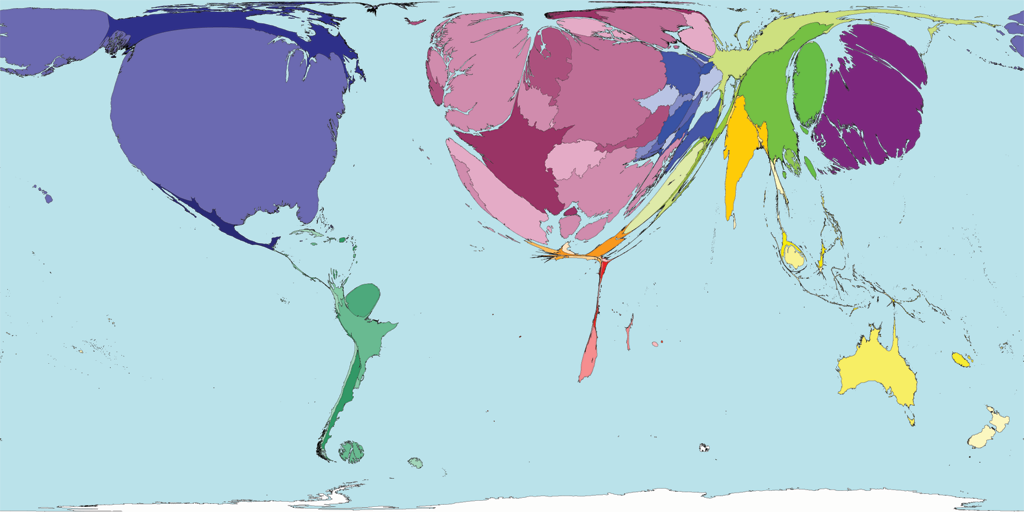
There is less research in the global south than in the north, but Laura Czerniewicz notes that there’s actually more than quick metrics capture and that perceptions of ‘science. and research outputs must be broadened.

Call it the ‘paradox of equality’: Women are expected to lean in but it turns out there are barriers that are invisible until you smack your head on one. Who should be tasked with taking the tilt out of leaning in?
We’re pleased to welcome the incoming editor of Journal of Travel Research Geoffrey Crouch of La Trobe University! Dr. Crouch kindly provided us […]

People often see science as a world apart: cool, rational and untouched by persuasion or performance. In this view, scientists simply discover […] “Research impact” means different things to different people. Some refer broadly to how science changes behaviors, beliefs, or practices outside academic institutions. […] One researcher studies how war affects children, another took a literal worm’s eye view to examine rural development, while two others scrutinized […] David Canter considers informal places where people socialize, suggesting they’re an arena ChatGPT and other LLMs can’no’t replicate. As someone who lives […] It’s become cliche since Clive Humbly coined it in 2006, but data is indeed the new oil. It’s a mantra repeated by […] In September 2025, The Guardian reported about a lawyer in Australia having faced sanctions due to false citations. These citations were not […]
EXPLORE
Impact

Scientists Should Keep in Mind It’s Called the ‘Marketplace of Ideas’ for a Reason
READ MORE

Survey Finds Social Scientists Feel Unsupported in Seeking Societal Impact
READ MORE

Canada’s SSHRC Names 2025 Impact Winners
READ MORE
Innovation

Reaching Parts to Which AI Has No Access
READ MORE

Andrea Medina-Smith on Making Research Data More FAIR
READ MORE

A Status Check on Hallucinated Case Law Incidents
READ MORE