Kayleigh Garthwaite on Foodbanks
In the most recent 12-month period for which is has data, the Trussell Trust – the largest foodbank trust in the United Kingdom – the trust passed out 1.6 million food parcels, with 500,000 of those going to children. More than 90 percent of the food donated came from the public, often though prompts seen supermarkets, and the remaining 10 percent came from corporations.
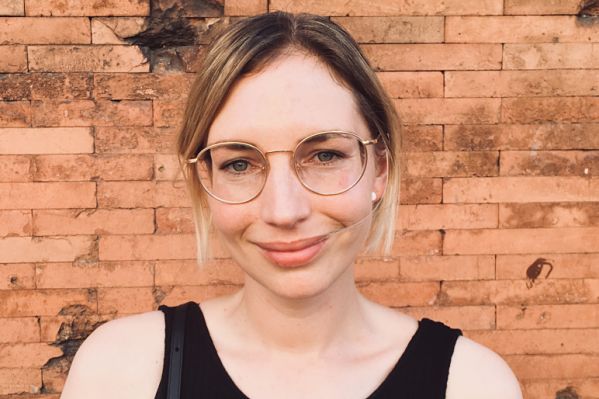
Social scientist Kayleigh Garthwaite wanted to know more about the people behind those figures. Spurred on by numbers cited by politicians in a debate over foodbanks, she wondered, “What was it like for people to go to the foodbank? Why did they go there? Was there any stigma or shame?
“I think the debate about why people use the foodbanks has become really politicized to the point where apparently individual faults and failings are the reason why people are using them,” she tells interviewer David Edmonds in this Social Science Bites podcast. To find out, Garthwaite engaged in some immersive sociology and volunteered to work at a Trussell foodbank. She went to the foodbank in northern England’s city of Stockton, deploying ethnographic methods to learn from the workers and the food recipients.
While Stockton was close to where Garthwaite earned her bachelors, masters and doctorate – in sociology, social research methods and human geography respectively — at Durham University, Stockton also has the highest health inequalities in England. Statistically, those living in the city core will on average live 17 fewer years than someone in an affluent area just a few miles away.
After 18 months at the foodbank, with 40,000 words in filed notes already, Garthwaite decided to write a book, and in 2016, Hunger Pains: Life inside foodbank Britain, came out. The book is unique, both an social scientific investigation of foodbank and a diary of Garthwaite’s journey, sprinkled at various times with her trenchant observations about those who judge the hungry and those who hunger.
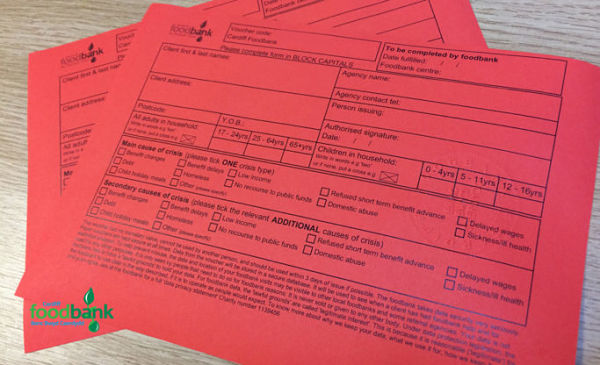
And getting food isn’t automatic. Someone wanting a parcel of three days’ worth of emergency food.– mainly processed, long-life foods, with fresh fruits and vegetables part of the package when available – must be referred by a “referring care professional” like a teacher or social worker.
“When you get into the foodbank you realize there is that bureaucracy of access in the red voucher in the first place, so people can’t just turn up and say, ‘Please give me food.’” Some have criticized the moral outsourcing involved in this vetting: “This voucher system already has that deserving or undeservedness built into it.” There was a benefit to Garthwaite as an academic; “Me, as a researcher, I didn’t want to be in that position of deciding whether somebody should or should not be receiving food.”
Rather than finding that most people spent their disposable cash on cigarettes and alcohol and then decided to hit up the local foodbank, Garthwaite says there are structural reasons that lead people to sue foodbanks. Even if people are buying cigarettes, she added, “that doesn’t mean they don’t have a right to food.” She cites ‘Paul,’ who visited her foodbank at least nine times – and who spent his ready money on alcohol, drugs and food for his dog, But his “complex problems,” including being an ex-felon and having mental health issues, defied simple strictures on being deserving or not.
“People really did use the foodbank as a last resort; it wasn’t something they enjoyed doing.”
Garthwaite is currently a Birmingham University Fellow in the Department of Social Policy, Sociology and Criminology. Off campus, she is a trustee of Independent Food Aid Network, a member of the Oxfam UK Poverty Policy Advisory Group and of the Trussell Trust ‘State of Hunger’ Advisory Board.
To download an MP3 of this podcast, right-click HERE and save.
For a complete listing of past Social Science Bites podcasts, click HERE. You can follow Bites on Twitter @socialscibites and David Edmonds @DavidEdmonds100.