Watch The Lecture: The ‘E’ In Science Stands For Equity
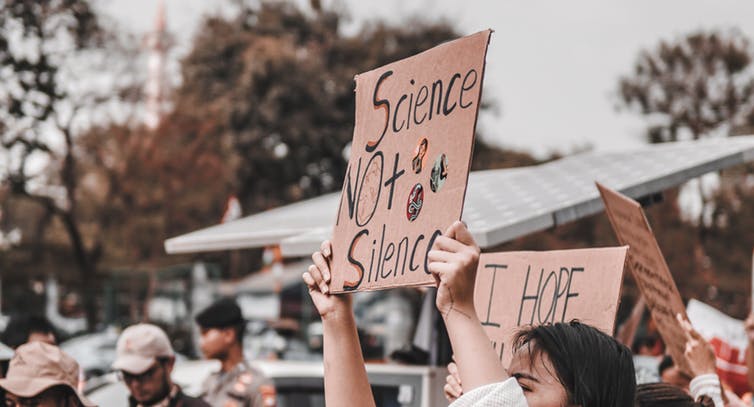
According to the National Science Foundation, the percentage of American adults with a great deal of trust in the scientific community dropped nine percentage points between 2021 and 2022. While this appreciable decrease in confidence is not crisis-worthy just yet, it does raise concern of what a lack of public trust can mean for the future of scientific research.
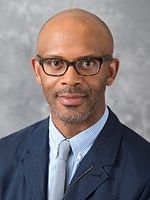
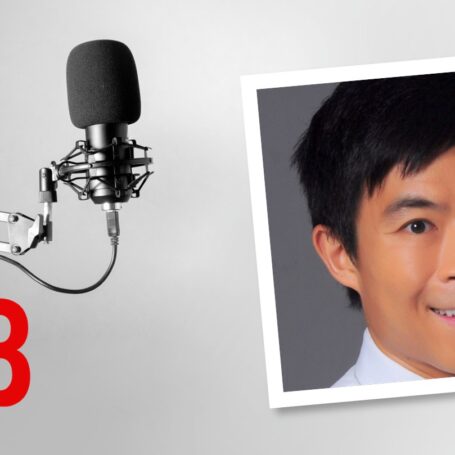
This is an excerpt from a thought-provoking lecture from Rayvon Fouché on Embracing the Social in Social Science: Notes for a Technoscientific Future for the 2023 Henry and Bryna David Lecture. Sponsored by Issues in Science and Technology magazine and the Division of Behavioral and Social Sciences and Education, this lectureship is one piece of an annual event that honors one social or behavioral scientist for their contributions in using their research to inform public policy. Each year, the Henry and Bryna David Endowment selects one scientist to publish an article in the Issues in Science and Technology magazine and to formally present to an audience at the National Academies of Sciences. Recipients in recent years include: Michael A. Méndez from the University of California, Irvine; Shirley Malcolm from the American Association for the Advancement of Science; and the newest recipient, Rayvon Fouché, Northwestern University.
Fouché is a professor of communication studies and media and integrative marketing communications at Northwestern University. Additionally, he serves as the director of the National Science Foundation’s Social and Economic Sciences division. As a social scientist, Fouché’s scholarship focuses on the relationship between technoscientific design, culture, and racial identity.
The lecture highlights these research intersections, with special emphasis on the ways in which social science can be an effective tool for asking equitable questions for the good of science and humanity. Recent scientific research has been noted as disinterested, dispassionate, and inequitable – always leaving someone behind. But Fouché’s hope for the future is open science, where people outside of traditional scientific research are included in these endeavors, collaboration and information-sharing is encouraged, and scholarly practices and knowledge defy language barriers.
Creating a better world requires the creation of science that is societally and culturally relevant. For a full step-by-step on how to engage with this equitable science, Fouché’s lecture on Embracing the Social in Social Science: Notes for a Technoscientific Future is readily available.
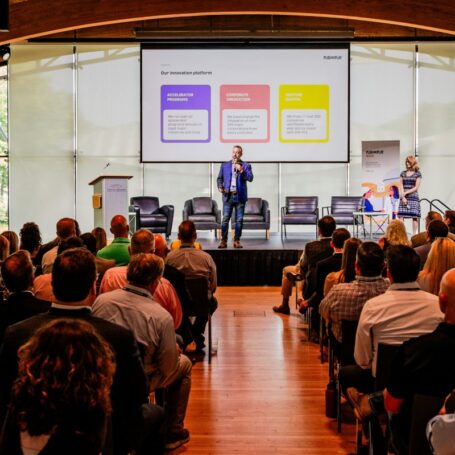
The lecture took place on October 12, 2023, at the National Academy of Sciences in offices on Constitution Avenue in Washington, D.C.
Henry David was a professor at the Lyndon B. Johnson School of Public Affairs at the University of Texas, executive director of the Assembly of Behavioral and Social Sciences at the National Academy of Sciences/National Research Council, Pitt Professor of American History and Institutions at Cambridge University, president of the New School for Social Research, dean of the graduate faculty of political and social sciences at Columbia University, and executive director of the National Manpower Council. Bryna David was also active in public policy, working as an assistant to Eleanor Roosevelt during the 1948 UN General Assembly in Paris, as a scholar in residence at the Rockefeller Center in Bellagio, Italy, and as director of the National Manpower Council.