
Could Distributed Peer Review Better Decide Grant Funding?
The landscape of academic grant funding is notoriously competitive and plagued by lengthy, bureaucratic processes, exacerbated by difficulties in finding willing reviewers. Distributed […]
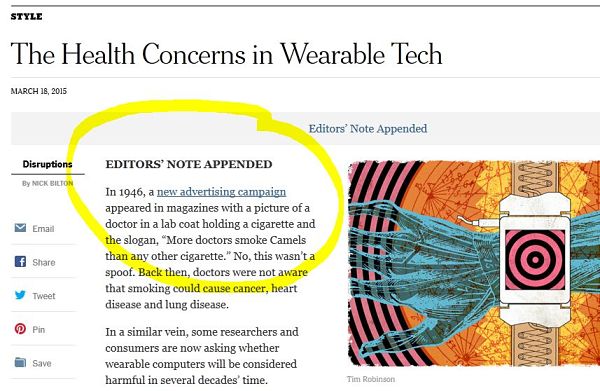
A flawed article about wearable watches in the New York Times offers a teachable moment for researchers about how they can — and perhaps must — do a better job at disseminating their own findings.

The following articles are drawn from SAGE Insight, which spotlights research published in SAGE’s more than 800 journals. The articles linked below are free […]
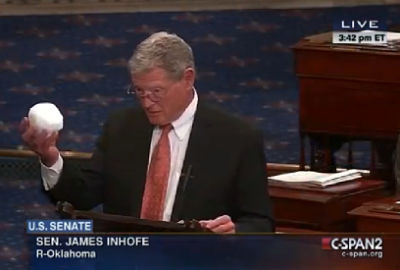
Although the GOP is usually fingered as anti-science, biased attitudes toward scientific information and trust in the scientific community can be found among liberals and conservatives alike, new research shows. As you might expect, biases vary based on the science topic being considered.

A study of members of the American Association for the Advancement of Science finds their politically homogeneous environment on and off the job seems to play a primary role in how they form judgments about policy issues and whether, or how, they choose to engage the public.
The following articles are drawn from SAGE Insight, which spotlights research published in SAGE’s more than 800 journals. The articles linked below are free […]
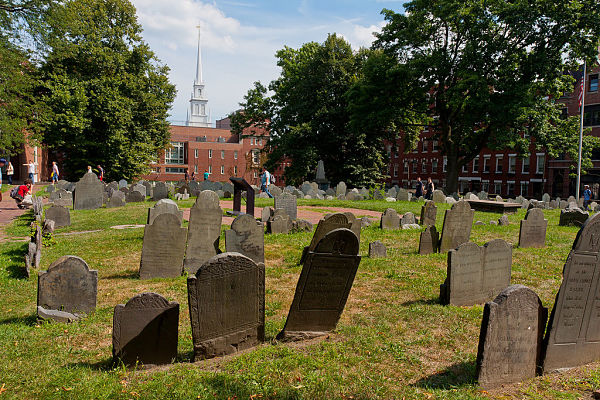
Routledge’s Terry Clague sheds reasonable doubt on the assertion that contributing to edited book chapters is”akin to burying your research.”
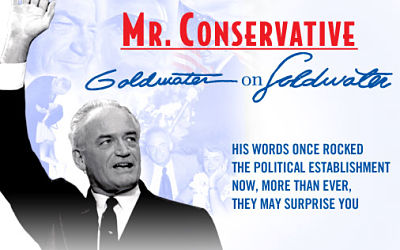
Journalists have their own set of accuracy issues, so don’t add to them by making it hard to pick out your message from a torrent of disconnected thoughts carpet bombed on the ink-stained class. Here, Kevin Anselmo offers advice on preparation and training beforehand to reduce the likelihood of being misquoted.

Have you thought about trying public outreach with your research by starring in or making videos for online viewership? Here’s some handy tips on presenting your social science Gangnam style.

The Royal Swedish Academy of Sciences has awarded this year’s Nobel Prize in Economic Sciences to the American economists Robert E. Hall […] Four Americans working in the social and behavioral sciences are among the 20 people named MacArthur Fellows this year. Recipients may be […] Euan Adie, the founder of Altmetric and later of Overton, discusses the reasons the led to Overton’s focus on showing researchers how […] The following is an adapted extract from The Cultural Industries, fifth edition, by David Hesmondhalgh. The increasing presence of information technology (IT) […] Developers of AI data centers have a public trust problem. According to multiple surveys, a majority of Americans say they would oppose […] I was adding some final flourishes on the topic of ‘iatrocracy’ to my forthcoming book with Natewindé Sawadogo – Sickness and Social […]
EXPLORE
Impact
Economic Peaks, Troughs and This Year’s Nobelists in Economics
READ MORE
Four From Social Science World Receive 2026 MacArthur Fellowships
READ MORE
Quick Insight: Euan Adie on Getting Academics Credit for Their Impact
READ MORE
Innovation
IT Giants and Their Operations: Should We Be Concerned?
READ MORE

What We Miss When We Study Public Trust with Surveys Alone
READ MORE

AI and ‘Iatrocracy’ – A Cautionary Tale
READ MORE