


Could Distributed Peer Review Better Decide Grant Funding?
The landscape of academic grant funding is notoriously competitive and plagued by lengthy, bureaucratic processes, exacerbated by difficulties in finding willing reviewers. Distributed […]

More than 90 organizations based in higher education, ranging from the American Council on Education and American Association of University Professors to the Yes We Must Coalition and EDUCAUSE, have signed a statement supporting “academic inquiry and debate” on American campuses.

In his new book, Richard Heller proposes a model he calls the distributed university – that is, a university that distributes education online to where it is needed.
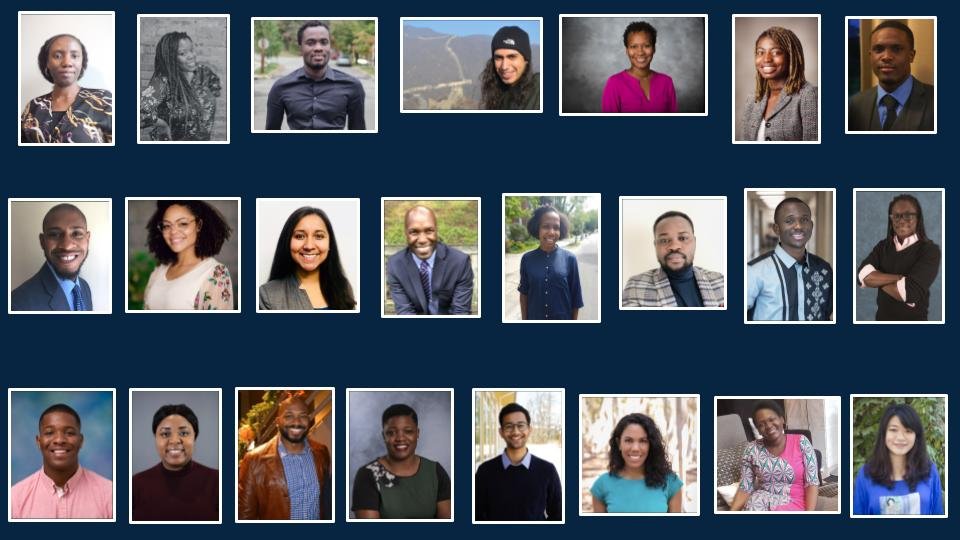
“The Future of Computational Science is Black” is a series of blogs about SICSS-Howard/Mathematica 2021, the first Summer Institute in Computational Social Science held at a historically Black college or university.

A Canadian research team observed a profound ripple effect where reduced productivity from increased workload due to the pandemic impacted researchers’ progress.

Associate professor Siouxsie Wiles and professor Shaun Hendy have become well known for their work explaining the science behind COVID-19 and guiding the public and government response. Is their home institution doing enough to protect them from bad actors?
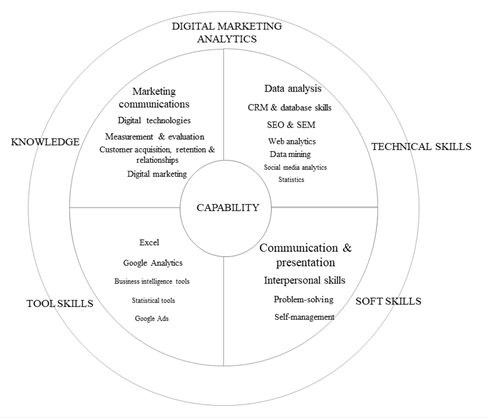
Yes, there is a body of research and theory on analytics in marketing, and the subject is taught in some institutions. However, there is a lack of coherence
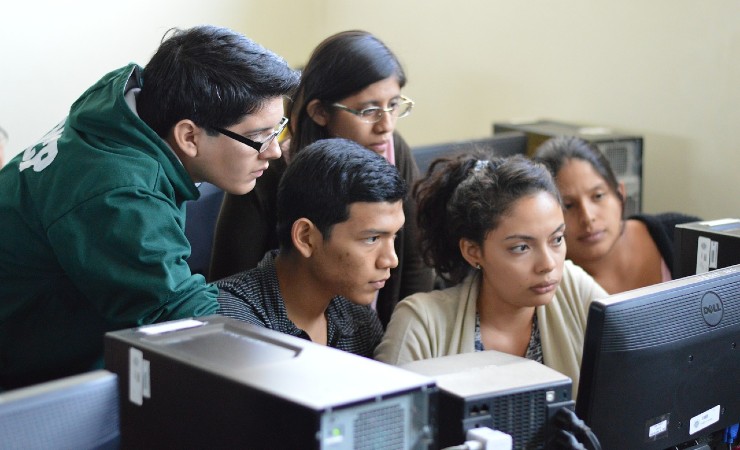
The principal investigator of an experiment to see how well academic videos can help students understand journal articles suggests the answer is yes, it can help a lot.
The right-wing Heritage Foundation has accused university Diversity, Equity, and Inclusion (DEI) offices of spreading anti-Semitism on campuses, but its recently issued […]

Jürgen Habermas, a globally known social theorist whose explorations of democracy, validity and communication have gained new prominence in the current moment, […] People often see science as a world apart: cool, rational and untouched by persuasion or performance. In this view, scientists simply discover […] “Research impact” means different things to different people. Some refer broadly to how science changes behaviors, beliefs, or practices outside academic institutions. […] David Canter considers informal places where people socialize, suggesting they’re an arena ChatGPT and other LLMs can’no’t replicate. As someone who lives […] It’s become cliche since Clive Humbly coined it in 2006, but data is indeed the new oil. It’s a mantra repeated by […] In September 2025, The Guardian reported about a lawyer in Australia having faced sanctions due to false citations. These citations were not […]
EXPLORE
Impact

Jürgen Habermas, 1929-2026: Exponent of the Public Sphere
READ MORE

Scientists Should Keep in Mind It’s Called the ‘Marketplace of Ideas’ for a Reason
READ MORE

Survey Finds Social Scientists Feel Unsupported in Seeking Societal Impact
READ MORE
Innovation

Reaching Parts to Which AI Has No Access
READ MORE

Andrea Medina-Smith on Making Research Data More FAIR
READ MORE

A Status Check on Hallucinated Case Law Incidents
READ MORE