


Could Distributed Peer Review Better Decide Grant Funding?
The landscape of academic grant funding is notoriously competitive and plagued by lengthy, bureaucratic processes, exacerbated by difficulties in finding willing reviewers. Distributed […]
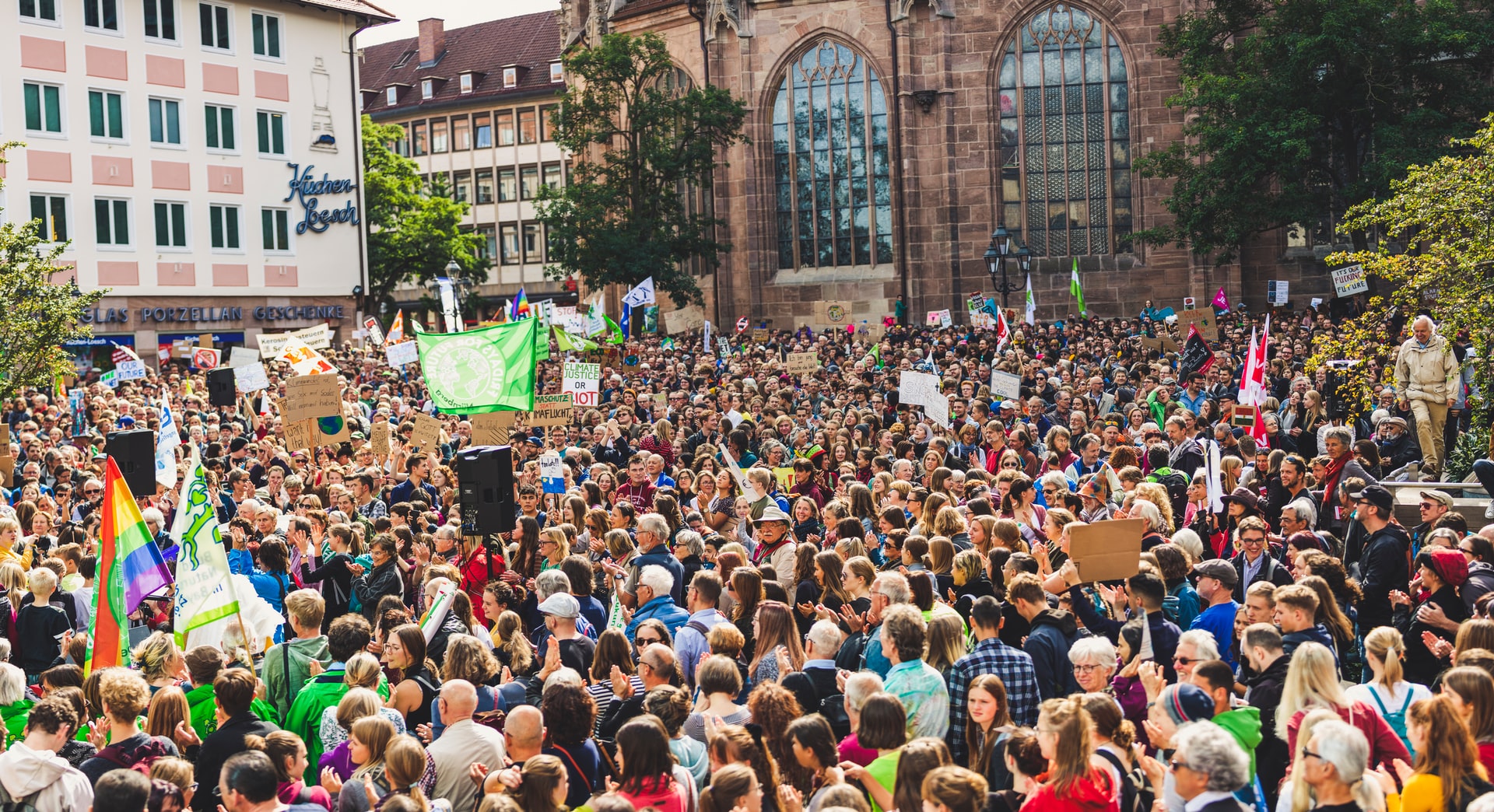
New research shows that states that require civics courses do not necessarily have better test scores, more youth voting or young people volunteering at higher rates than other states

Black undergraduates consistently said they trusted the people who run the colleges they attend – and society overall – substantially less than their white peers did. We have termed this difference the racial trust gap, and it was not a trivial difference.
There is no shortage of disciplines and industries rife with sexism. The STEM fields – science, technology, engineering and mathematics – are particularly well known for their misogynistic […]
Despite decades of significant growth in social science expertise, research and data, some societal issues remain seemingly intractable. Instead of identifying solutions […]
In ‘The New PhD: How to Build a Better Graduate Education,’ Loenard Cassuto and Robert Weisbuch argue that graduate programs aren’t preparing doctoral students for the jobs they’ll likely have outside college classrooms or laboratories.
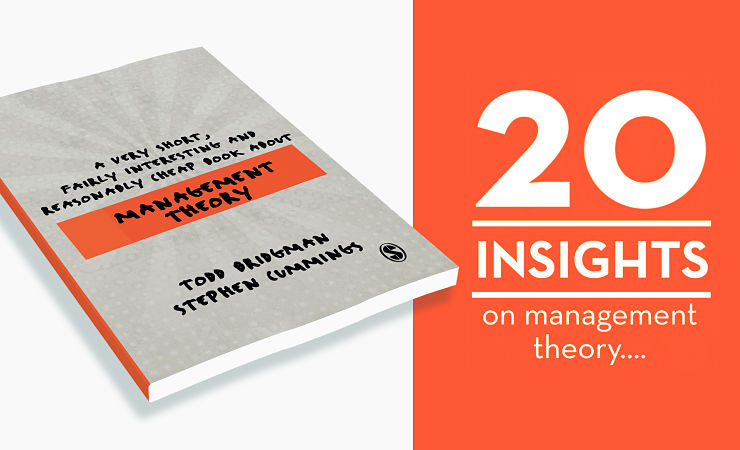
Today we bring you the story behind A very short, fairly interesting and reasonably cheap book about management theory, a new book by Todd Bridgman and Stephen Cummins
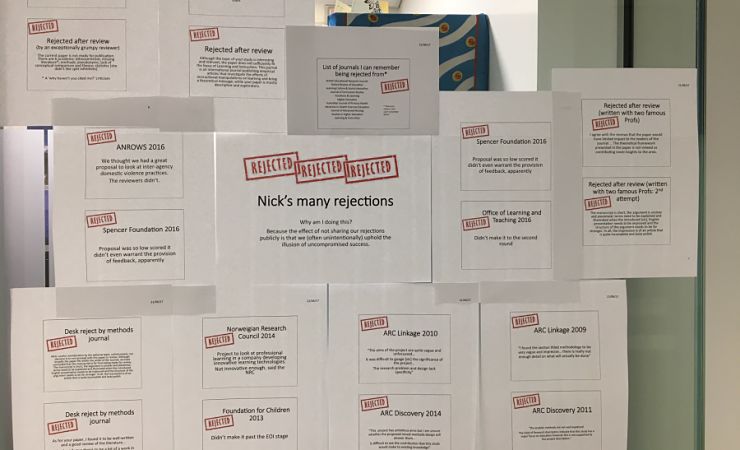
Persistent rejection by academic arbiters – whether journals, grant makers or employers – is problematic, and focusing on the individual academic is not the whole solution
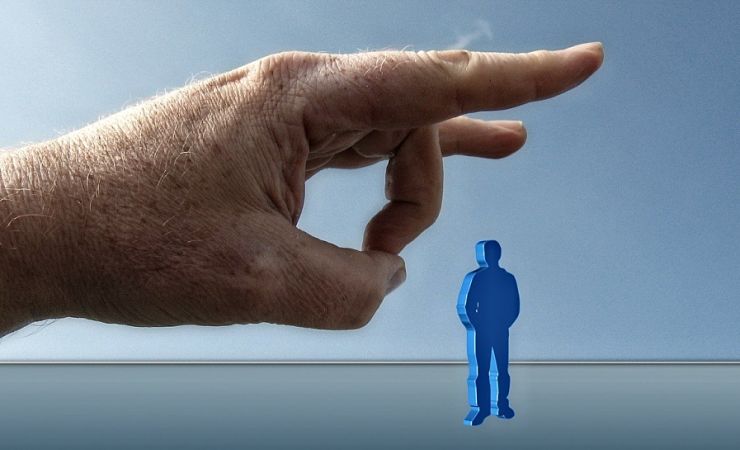
In terms of the organization of academic labor, higher education is ever more sharply divided between, on the one hand, an advantaged minority in full-time, long-term employment and, on the other hand, academia’s reserve army of labor.
Jürgen Habermas, a globally known social theorist whose explorations of democracy, validity and communication have gained new prominence in the current moment, […] People often see science as a world apart: cool, rational and untouched by persuasion or performance. In this view, scientists simply discover […] “Research impact” means different things to different people. Some refer broadly to how science changes behaviors, beliefs, or practices outside academic institutions. […] David Canter considers informal places where people socialize, suggesting they’re an arena ChatGPT and other LLMs can’no’t replicate. As someone who lives […] It’s become cliche since Clive Humbly coined it in 2006, but data is indeed the new oil. It’s a mantra repeated by […] In September 2025, The Guardian reported about a lawyer in Australia having faced sanctions due to false citations. These citations were not […]
EXPLORE
Impact

Jürgen Habermas, 1929-2026: Exponent of the Public Sphere
READ MORE

Scientists Should Keep in Mind It’s Called the ‘Marketplace of Ideas’ for a Reason
READ MORE

Survey Finds Social Scientists Feel Unsupported in Seeking Societal Impact
READ MORE
Innovation

Reaching Parts to Which AI Has No Access
READ MORE

Andrea Medina-Smith on Making Research Data More FAIR
READ MORE

A Status Check on Hallucinated Case Law Incidents
READ MORE