
Could Distributed Peer Review Better Decide Grant Funding?
The landscape of academic grant funding is notoriously competitive and plagued by lengthy, bureaucratic processes, exacerbated by difficulties in finding willing reviewers. Distributed […]
Social Science Works, a new German-based international think tank, launches a product to assist decision makers in evaluating the quality of social science research.
As sociology has drifted further and further from any conservative touchstones, argues Robert Dingwall, it has become less and less able to understand the society that provides its subsistence.

When researchers from countries where regulation is well developed choose to conduct ethically dubious research in countries where regulation is not as strict, it is known as “ethics dumping.” When it happened to Africa’s San people, they responded.

A survey by Nature found that 52 percent of researchers believed there was a ‘significant reproducibility crisis’ and 38 percent said there was a ‘slight crisis.’ Here, three experts give their views on the issue.

The UK science policy establishment has been remarkably sanguine in the face of its government’s plans for Brexit, argues Robert Dingwall.
In the hour-long recorded conversation with Social Science Space editor Michael Todd, COSSA’s Wendy Naus discusses what individual social science scholars, students and their academic societies can do if they feel threatened by the currents in Washington, D.C.
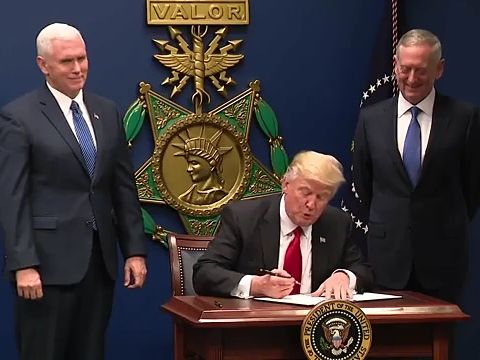
What might Donald Trump’s ban on immigration from seven countries mean for the U.S. role in international education? And will it undermine the use of international higher education as a soft power tool for the United States? A scholar of international education gives his view.
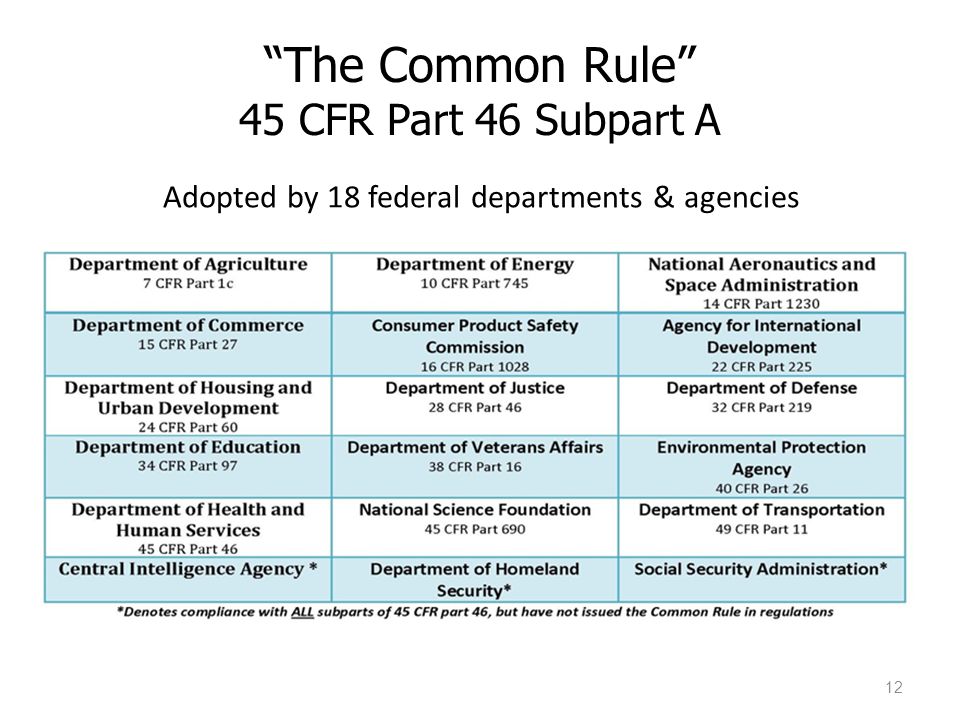
The rush to publish a revised Common Rule for federally funded human research in the United States has created a flawed regulatory regime, says Robert Dingwall., Time to tear the whole edifice down and start over, he suggests.


Jürgen Habermas, a globally known social theorist whose explorations of democracy, validity and communication have gained new prominence in the current moment, […] People often see science as a world apart: cool, rational and untouched by persuasion or performance. In this view, scientists simply discover […] “Research impact” means different things to different people. Some refer broadly to how science changes behaviors, beliefs, or practices outside academic institutions. […] David Canter considers informal places where people socialize, suggesting they’re an arena ChatGPT and other LLMs can’no’t replicate. As someone who lives […] It’s become cliche since Clive Humbly coined it in 2006, but data is indeed the new oil. It’s a mantra repeated by […] In September 2025, The Guardian reported about a lawyer in Australia having faced sanctions due to false citations. These citations were not […]
EXPLORE
Impact

Jürgen Habermas, 1929-2026: Exponent of the Public Sphere
READ MORE

Scientists Should Keep in Mind It’s Called the ‘Marketplace of Ideas’ for a Reason
READ MORE

Survey Finds Social Scientists Feel Unsupported in Seeking Societal Impact
READ MORE
Innovation

Reaching Parts to Which AI Has No Access
READ MORE

Andrea Medina-Smith on Making Research Data More FAIR
READ MORE

A Status Check on Hallucinated Case Law Incidents
READ MORE