



Could Distributed Peer Review Better Decide Grant Funding?
The landscape of academic grant funding is notoriously competitive and plagued by lengthy, bureaucratic processes, exacerbated by difficulties in finding willing reviewers. Distributed […]
UPDATED: Many academic groups that use U.S Census data for research fear the negative effects of including a question about citizenship on the 2020 count. “Adding a new citizenship question to the 2020 Census would destroy any chance for an accurate count, discard years of careful research, and increase costs significantly,” wrote The Leadership Conference, an umbrella group.
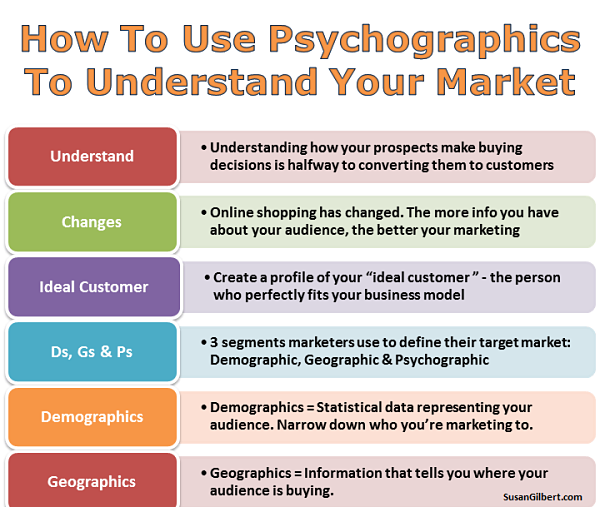
Cambridge Analytica’s approach to crunching social media data represents a step change in how analytics can today be used as a tool to generate insights – and to exert influence.

It is right to believe that researchers and their employers value research integrity, says Annabel Latham. But instances where trust has been betrayed by an academic – even if it’s the case that data used for university research purposes wasn’t caught in the crossfire – will have a negative impact on whether participants will continue to trust researchers.

The Gates Foundation is regrouping after its latest school improvement disappointment, but it’s not bowing out of the education reform business. As the philanthropic powerhouse led by Bill and Melinda Gates explained in their latest annual letter to the public, it ended its effort to overhaul teacher evaluation systems after determining that these efforts were failing to generate intended results.
A recent critique of Alice Goffman’s influential 2014 book, “On the Run,” has, in effect, put ethnography conducted in the United states on trial. Here, our Robert Dingwall argues a case for the defense.

Hamish Robertson and Joanne Travaglia argue that big data quantification is now not only a mechanism for extracting information but has become an idea with social and political power in its own right. The lack of critique of quantitative methods and their application contributes to the existing and potentially coercive power of digital information systems and their attendant methods, and enhances the potential for collateral damage.
Developing an effective response to sexual harassment in the academic industry — by no means a new phenomenon, notes Robert Dingwall — requires us to consider questions about institutional memory, occupational cultures, and organizational silos, rather than badly behaved individuals.
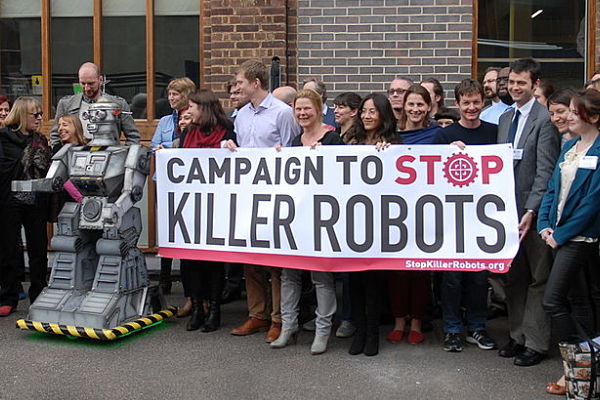
The big questions posed by our digital future sit at the intersection of technology and ethics. This is complex territory that requires input from experts in many different fields, including the social sciences, if we are to navigate it successfully. A new report makes an effort to give a first draft of that necessary input.

The Royal Swedish Academy of Sciences has awarded this year’s Nobel Prize in Economic Sciences to the American economists Robert E. Hall […] Four Americans working in the social and behavioral sciences are among the 20 people named MacArthur Fellows this year. Recipients may be […] Euan Adie, the founder of Altmetric and later of Overton, discusses the reasons the led to Overton’s focus on showing researchers how […] The following is an adapted extract from The Cultural Industries, fifth edition, by David Hesmondhalgh. The increasing presence of information technology (IT) […] Developers of AI data centers have a public trust problem. According to multiple surveys, a majority of Americans say they would oppose […] I was adding some final flourishes on the topic of ‘iatrocracy’ to my forthcoming book with Natewindé Sawadogo – Sickness and Social […]
EXPLORE
Impact

Economic Peaks, Troughs and This Year’s Nobelists in Economics
READ MORE

Four From Social Science World Receive 2026 MacArthur Fellowships
READ MORE
Quick Insight: Euan Adie on Getting Academics Credit for Their Impact
READ MORE
Innovation

IT Giants and Their Operations: Should We Be Concerned?
READ MORE

What We Miss When We Study Public Trust with Surveys Alone
READ MORE

AI and ‘Iatrocracy’ – A Cautionary Tale
READ MORE