

Could Distributed Peer Review Better Decide Grant Funding?
The landscape of academic grant funding is notoriously competitive and plagued by lengthy, bureaucratic processes, exacerbated by difficulties in finding willing reviewers. Distributed […]
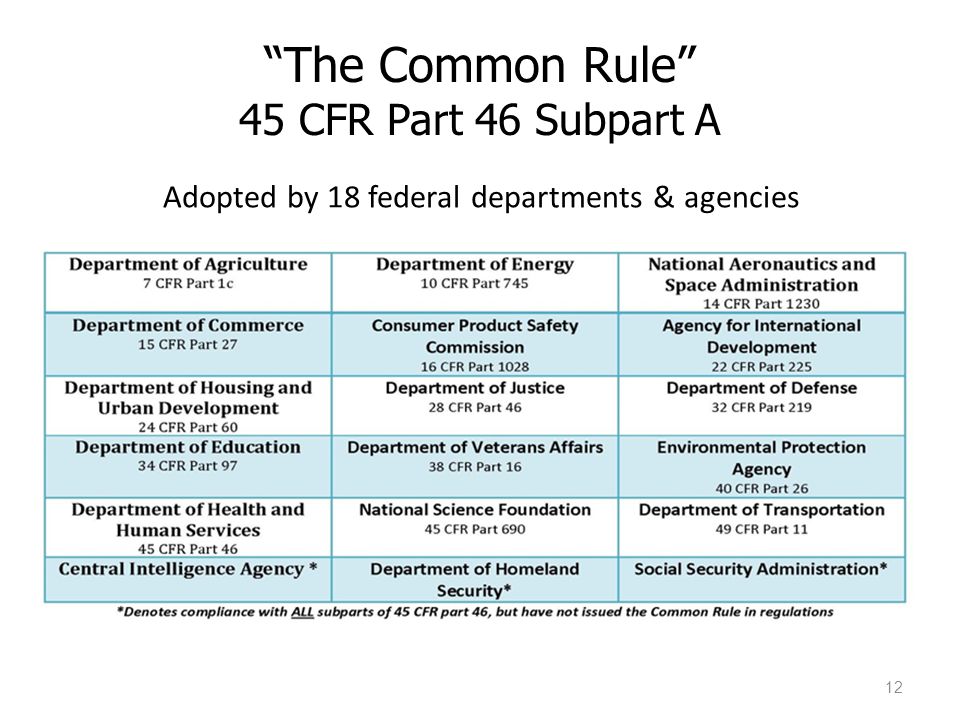
The rush to publish a revised Common Rule for federally funded human research in the United States has created a flawed regulatory regime, says Robert Dingwall., Time to tear the whole edifice down and start over, he suggests.

Several recent high-profile incidents suggest that the confidentiality promises routinely made by social scientists have little in the way of legal support.

Our Robert Dingwall reflects on Tinder’s in-house sociologist and on the just-announced New Year’s Honours list to question just how diverse are current understandings of diversity.
The claim that Thucydides’ account of the past is useful is often extended to historiography in general, rather than just to his specific – and idiosyncratic – approach. And that, suggests Neville Morley, may be the real trap of Thucydides.
How will social science research and teaching evolve to meet the challenges and opportunities big data creates? How can we bring down barriers to make this new computational social science accessible for all social researchers? That was the subject of a panel discussion at last month’s ESRC Festival of Social Sciences 2016.

Peer review clearly isn’t perfect, but rather than simply bypassing it and releasing even more information into an overloaded system, we should focus on making it better, says this life sciences editor. The first step is to reset and clearly state our standards for quality in both publishing and peer reviewing.
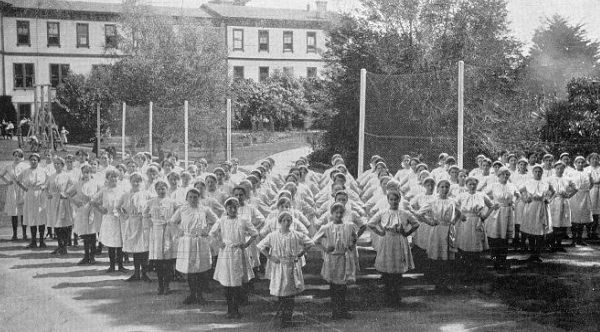
From sexual abuse to pay and promotion gaps and beyond, coeducation has not kept up with the promises which with it was introduced, argues the author of a new book on the subject.

UPDATE: Two Indian social scientists are among 10 people charged with murder in an Indian state wracked by an ongoing insurgency by Maoist rebels that the academics were actively studying. Almost 200 Indian sociologists are protesting the arrest.

The Royal Swedish Academy of Sciences has awarded this year’s Nobel Prize in Economic Sciences to the American economists Robert E. Hall […] Four Americans working in the social and behavioral sciences are among the 20 people named MacArthur Fellows this year. Recipients may be […] Euan Adie, the founder of Altmetric and later of Overton, discusses the reasons the led to Overton’s focus on showing researchers how […] The following is an adapted extract from The Cultural Industries, fifth edition, by David Hesmondhalgh. The increasing presence of information technology (IT) […] Developers of AI data centers have a public trust problem. According to multiple surveys, a majority of Americans say they would oppose […] I was adding some final flourishes on the topic of ‘iatrocracy’ to my forthcoming book with Natewindé Sawadogo – Sickness and Social […]
EXPLORE
Impact
Economic Peaks, Troughs and This Year’s Nobelists in Economics
READ MORE

Four From Social Science World Receive 2026 MacArthur Fellowships
READ MORE

Quick Insight: Euan Adie on Getting Academics Credit for Their Impact
READ MORE
Innovation

IT Giants and Their Operations: Should We Be Concerned?
READ MORE

What We Miss When We Study Public Trust with Surveys Alone
READ MORE

AI and ‘Iatrocracy’ – A Cautionary Tale
READ MORE