
Could Distributed Peer Review Better Decide Grant Funding?
The landscape of academic grant funding is notoriously competitive and plagued by lengthy, bureaucratic processes, exacerbated by difficulties in finding willing reviewers. Distributed […]


The annual award ceremony for the Golden Goose Award will take place on September 14, 2022, starting at 6:30 p.m. ET. While […]

The story of the book ‘Nudge’ offers insights into what can happen when research has an unpredictably large impact in the world of politics and policy

To maximize skilled migrants’ contributions to the professional society of the host economy, Leila Afshari writes, there is a need for mutual understanding of their potentials and the career options available for them in the society.
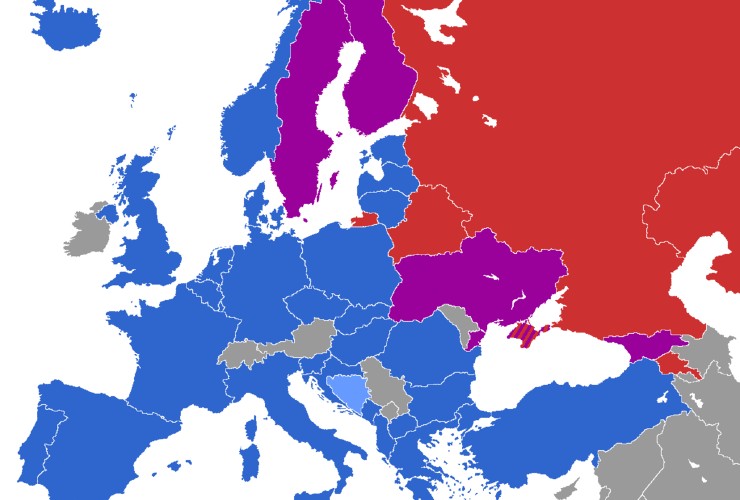
ISA may not have any great love for the richer countries of the world, argues Robert Dingwall, but its president should be capable of telling the difference between mutual aid among sovereign nations and a desire to subject other countries to external domination.

The development of scientific capacity in many parts of the world and the building of academic ties is critical when it comes to responding to a new virus or tracking changes in climate. And yet …
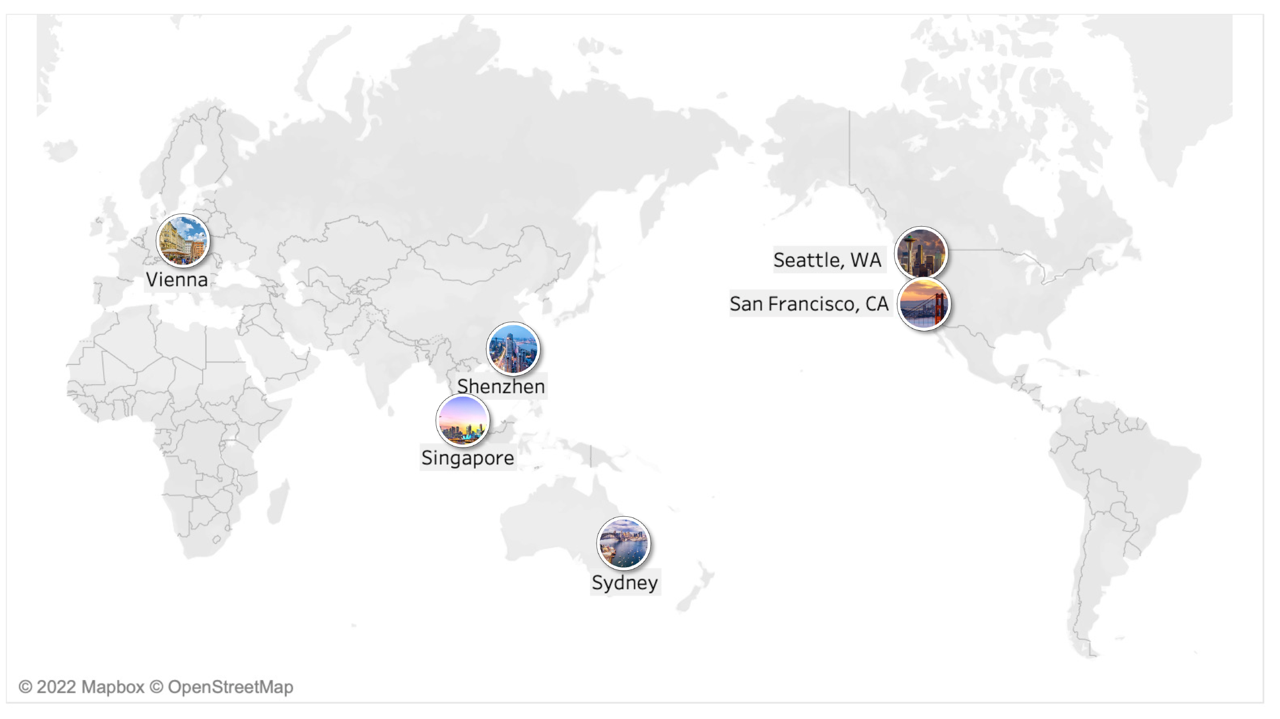
A multi-place research project in six cities worldwide in the journal ‘Global Perspectives’ brings a new angle to a examination of the civic life of cities.
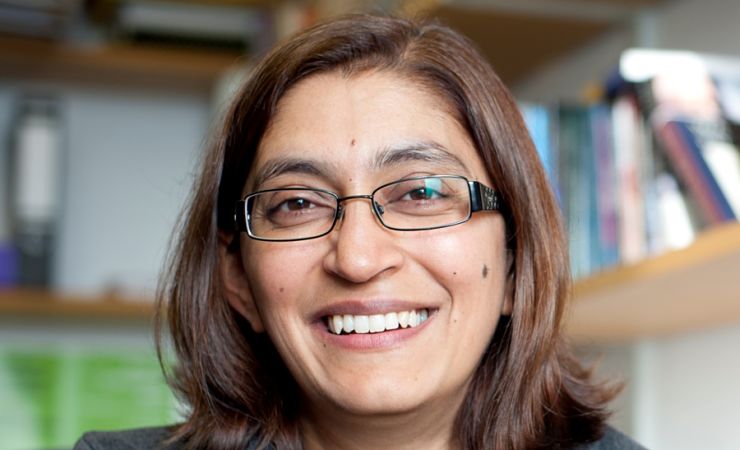
Reflecting on work uncovering the colonial genealogies of foundational works in the social sciences, Gurminder K Bhambra argues for a reparatory social science and highlights three challenges that any reparatory project must face in order to be successful.

The national science academies of the United States, the all-European academy and those of four separate European countries released, with the National Academy of Sciences of Ukraine, a short statement on rebuilding “a modern and globally integrated science and research system” in Ukraine.

The Royal Swedish Academy of Sciences has awarded this year’s Nobel Prize in Economic Sciences to the American economists Robert E. Hall […] Four Americans working in the social and behavioral sciences are among the 20 people named MacArthur Fellows this year. Recipients may be […] Euan Adie, the founder of Altmetric and later of Overton, discusses the reasons the led to Overton’s focus on showing researchers how […] The following is an adapted extract from The Cultural Industries, fifth edition, by David Hesmondhalgh. The increasing presence of information technology (IT) […] Developers of AI data centers have a public trust problem. According to multiple surveys, a majority of Americans say they would oppose […] I was adding some final flourishes on the topic of ‘iatrocracy’ to my forthcoming book with Natewindé Sawadogo – Sickness and Social […]
EXPLORE
Impact
Economic Peaks, Troughs and This Year’s Nobelists in Economics
READ MORE
Four From Social Science World Receive 2026 MacArthur Fellowships
READ MORE

Quick Insight: Euan Adie on Getting Academics Credit for Their Impact
READ MORE
Innovation

IT Giants and Their Operations: Should We Be Concerned?
READ MORE

What We Miss When We Study Public Trust with Surveys Alone
READ MORE

AI and ‘Iatrocracy’ – A Cautionary Tale
READ MORE