
Could Distributed Peer Review Better Decide Grant Funding?
The landscape of academic grant funding is notoriously competitive and plagued by lengthy, bureaucratic processes, exacerbated by difficulties in finding willing reviewers. Distributed […]
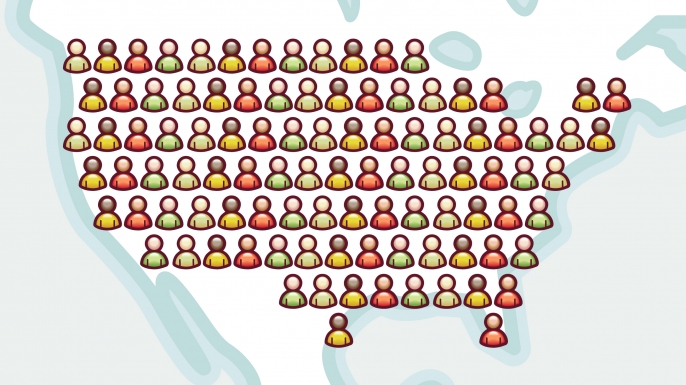
UPDATED: Many academic groups that use U.S Census data for research fear the negative effects of including a question about citizenship on the 2020 count. “Adding a new citizenship question to the 2020 Census would destroy any chance for an accurate count, discard years of careful research, and increase costs significantly,” wrote The Leadership Conference, an umbrella group.
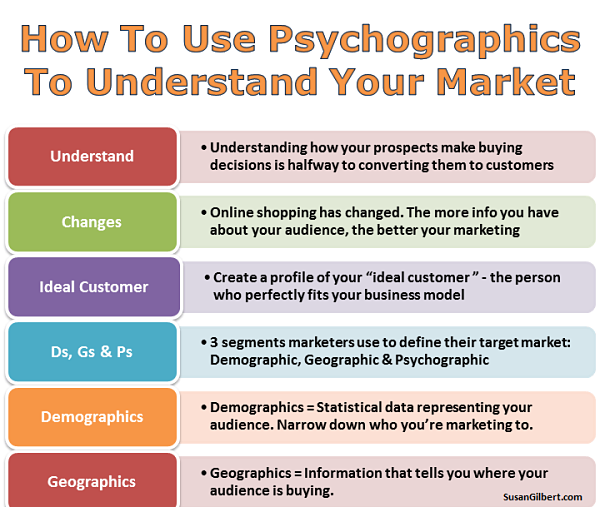
Cambridge Analytica’s approach to crunching social media data represents a step change in how analytics can today be used as a tool to generate insights – and to exert influence.
Months into the 2018 fiscal year, the U.S. Congress approved and the president today signed a $1.3 trillion spending plan for the existing fiscal year that increases National Science Foundation funding to $7.77 billion and does not cut social science research funding.
Usha Haley shares findings of a recent Academy of Management report that sought to answer the impact of scholarly research. By surveying 20,000 members & conducting a selection of interviews, most scholars felt the present system of evaluation and rankings has led to an over reliance on traditional techniques and methodologies, and even “junk science”.
While Congress will have the final say on the fiscal year 2019 budget, the budget proposal offered by President Trump would cut the National Science Foundation’s spending on social science would be cut by more than 10 percent.
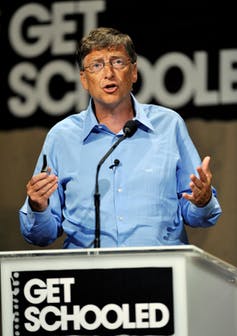
The Gates Foundation is regrouping after its latest school improvement disappointment, but it’s not bowing out of the education reform business. As the philanthropic powerhouse led by Bill and Melinda Gates explained in their latest annual letter to the public, it ended its effort to overhaul teacher evaluation systems after determining that these efforts were failing to generate intended results.

The first-ever “Social Science FOO Camp” was held a couple weeks ago at the Facebook headquarters in California. What’s a Social Science Foo Camp? According to Tom Kecskemethy, director of the AAPSS, “its a hard-to-describe ‘un-conference,’ for the uninitiated.” Follow Tom in this post as he shares his perspective on the FOO camp and explains what he learned.
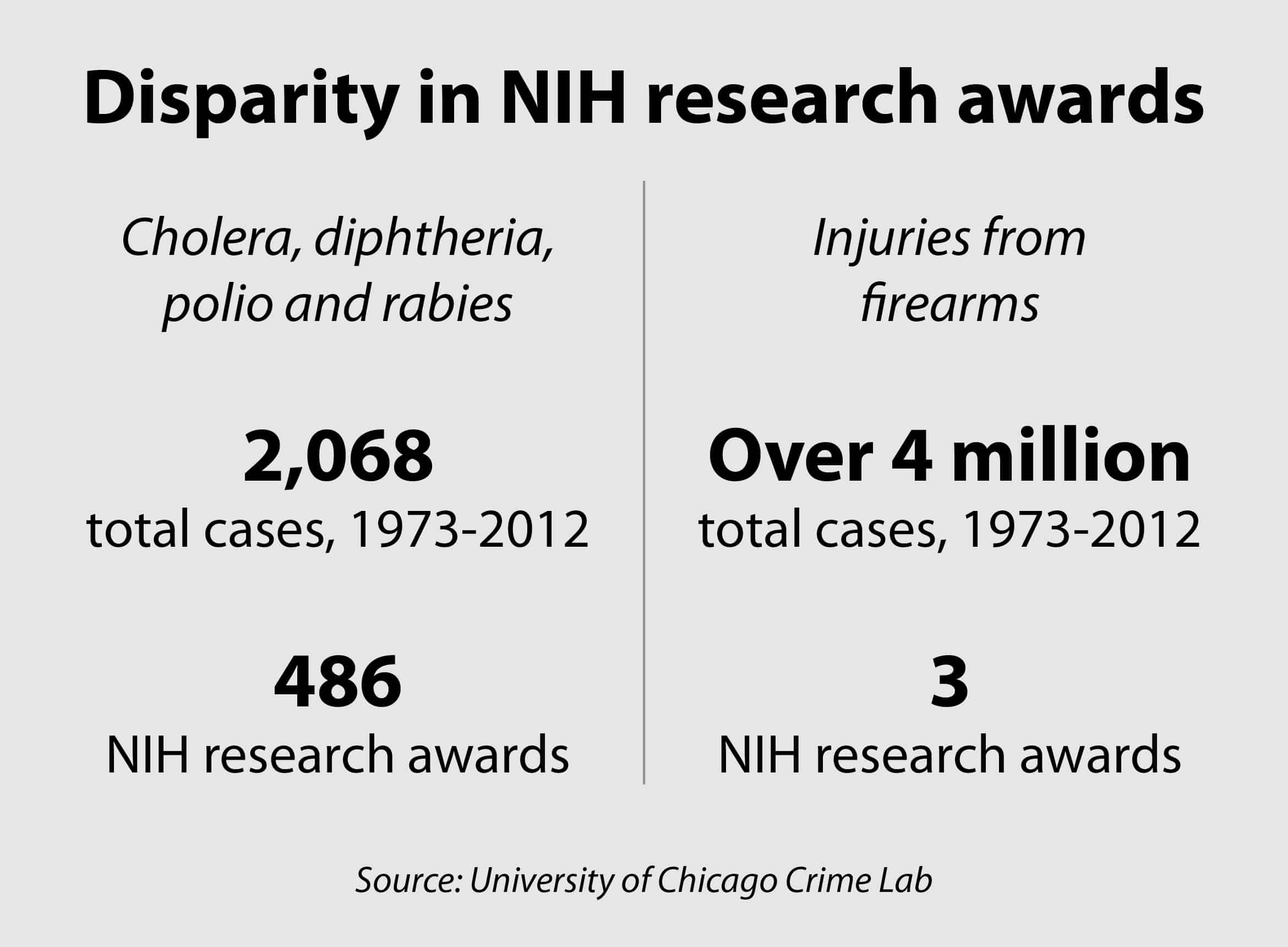
The research needed to answer questions about the role of firearms in acts of horrific mass violence doesn’t exist – and part of the problem is that the United States government largely doesn’t support it.
Jürgen Habermas, a globally known social theorist whose explorations of democracy, validity and communication have gained new prominence in the current moment, […] People often see science as a world apart: cool, rational and untouched by persuasion or performance. In this view, scientists simply discover […] “Research impact” means different things to different people. Some refer broadly to how science changes behaviors, beliefs, or practices outside academic institutions. […] David Canter considers informal places where people socialize, suggesting they’re an arena ChatGPT and other LLMs can’no’t replicate. As someone who lives […] It’s become cliche since Clive Humbly coined it in 2006, but data is indeed the new oil. It’s a mantra repeated by […] In September 2025, The Guardian reported about a lawyer in Australia having faced sanctions due to false citations. These citations were not […]
EXPLORE
Impact

Jürgen Habermas, 1929-2026: Exponent of the Public Sphere
READ MORE

Scientists Should Keep in Mind It’s Called the ‘Marketplace of Ideas’ for a Reason
READ MORE

Survey Finds Social Scientists Feel Unsupported in Seeking Societal Impact
READ MORE
Innovation

Reaching Parts to Which AI Has No Access
READ MORE

Andrea Medina-Smith on Making Research Data More FAIR
READ MORE

A Status Check on Hallucinated Case Law Incidents
READ MORE