

Could Distributed Peer Review Better Decide Grant Funding?
The landscape of academic grant funding is notoriously competitive and plagued by lengthy, bureaucratic processes, exacerbated by difficulties in finding willing reviewers. Distributed […]
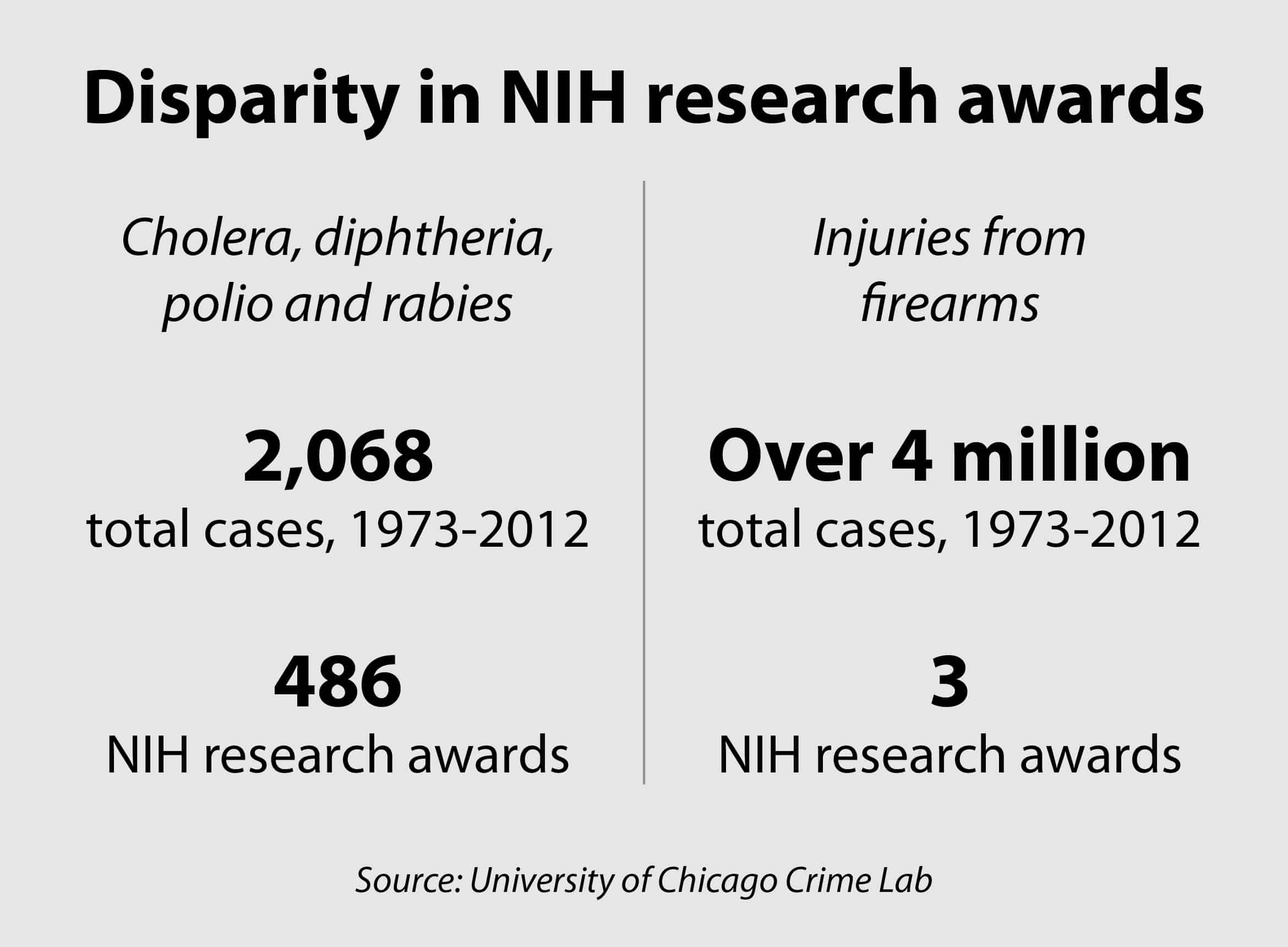
The research needed to answer questions about the role of firearms in acts of horrific mass violence doesn’t exist – and part of the problem is that the United States government largely doesn’t support it.
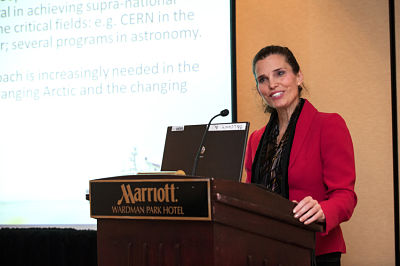
Canada’s Social Sciences and Humanities Research Council of Canada, or SSHRC, has announced the membership of its 18-member governing council.
A recent critique of Alice Goffman’s influential 2014 book, “On the Run,” has, in effect, put ethnography conducted in the United states on trial. Here, our Robert Dingwall argues a case for the defense.

Efforts to assess scholarly impacts must account for the great diversity of scholarly work and ensure that researchers themselves play a leading role in selecting those indicators that best suit their work. Peter Severinson reports on work published by the Federation for the Humanities and Social Sciences in Canada that hopes will provide guidance to university administrators, public servants, and other members of the research community undertaking the demanding work of impact assessment.
Last year Social Science Space presented more than 200 articles on the impact, infrastructure and industry surrounding social and behavioral science and research. Looking back over those articles, we’ve chosen a few of special merit. Social Science Space plans to continue to provide the latest that the new year has to offer. Stay up to date with us to see what is in store.

In a recent survey of over 1,500 scientists, more than 70 percent of them reported having been unable to reproduce other scientists’ findings at least once. Reproducibility of findings is a core foundation of science and realizing how difficult it is to assess novelty should give funding agencies and scientists pause. Progress in science depends on new discoveries and following unexplored paths – but solid, reproducible research requires an equal emphasis on the robustness of the work.
The House and Senate cleared the final version of the Tax Cuts and Jobs Act, which was signed into law on December 22. Congress also approved a short-term continuing resolution to keep the government funded through January 19, and cleared a disaster assistance package for victims of hurricanes and wildfires
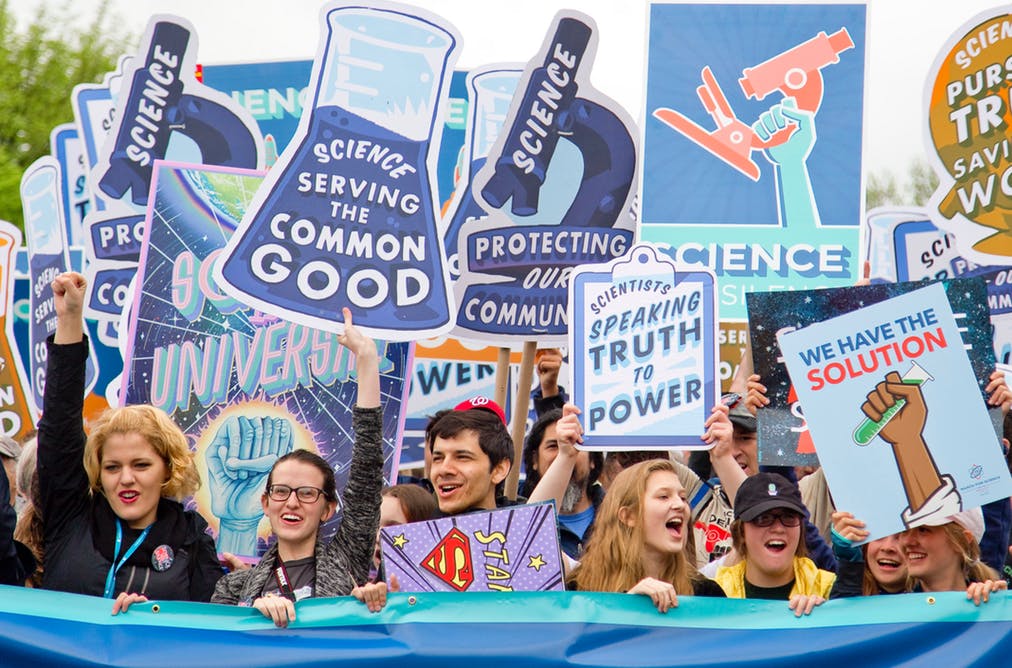
2017 may well be remembered as the year of alternative facts and fake news. Truth took a hit, and experts seemed to lose the public’s trust and scientists felt under siege as the Trump administration took office. Five stories, from The Conversation, showcase where scholars and scientists stand in this new climate and various ways to consider the value research holds for society.

The Royal Swedish Academy of Sciences has awarded this year’s Nobel Prize in Economic Sciences to the American economists Robert E. Hall […] Four Americans working in the social and behavioral sciences are among the 20 people named MacArthur Fellows this year. Recipients may be […] Euan Adie, the founder of Altmetric and later of Overton, discusses the reasons the led to Overton’s focus on showing researchers how […] The following is an adapted extract from The Cultural Industries, fifth edition, by David Hesmondhalgh. The increasing presence of information technology (IT) […] Developers of AI data centers have a public trust problem. According to multiple surveys, a majority of Americans say they would oppose […] I was adding some final flourishes on the topic of ‘iatrocracy’ to my forthcoming book with Natewindé Sawadogo – Sickness and Social […]
EXPLORE
Impact
Economic Peaks, Troughs and This Year’s Nobelists in Economics
READ MORE
Four From Social Science World Receive 2026 MacArthur Fellowships
READ MORE

Quick Insight: Euan Adie on Getting Academics Credit for Their Impact
READ MORE
Innovation

IT Giants and Their Operations: Should We Be Concerned?
READ MORE

What We Miss When We Study Public Trust with Surveys Alone
READ MORE

AI and ‘Iatrocracy’ – A Cautionary Tale
READ MORE