


Could Distributed Peer Review Better Decide Grant Funding?
The landscape of academic grant funding is notoriously competitive and plagued by lengthy, bureaucratic processes, exacerbated by difficulties in finding willing reviewers. Distributed […]
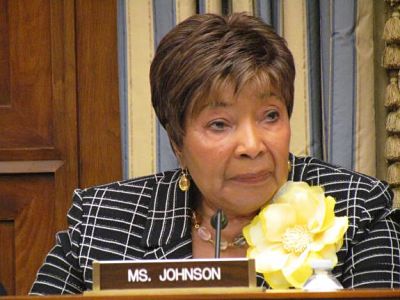
A bill which essentially halves National Science Foundation spending on the social sciences passed its first legislative test Wednesday on a party-line vote.
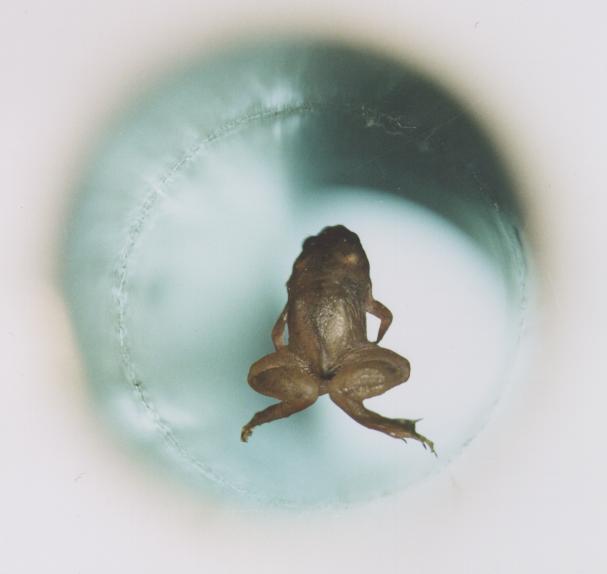
Critics of various bits of research often go to great lengths to make the studies seem silly, not serious. But ‘silly’ endeavors often result in serious societal gains — and maybe a boost for your career.
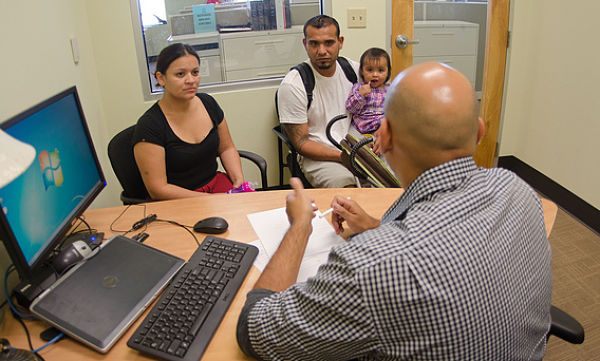
Who would have more valuable feedback than the people being assisted about how or why a program is meeting their genuine needs or not. Using ‘behavioral mapping,’ researchers can design better interventions based on real-life data and not the researchers’ own assumptions.
A survey of MPs’ attitudes has found unexpected support for using randomised controlled trials (RCTs) to test social policy. It also found […]

Unflappable and nonpartisan, the late economist Janet Norwood blazed a path as a pioneering female statistician and bureaucrat who served multiple presidents as the commissioner of the Bureau of Labor Statistics.

Race to remain important variable in social science research, says Saifuddin – Bernama The Malaysian Insider Race will continue to be an […]
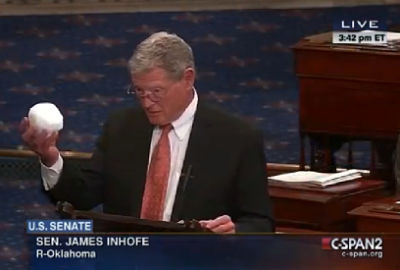
Although the GOP is usually fingered as anti-science, biased attitudes toward scientific information and trust in the scientific community can be found among liberals and conservatives alike, new research shows. As you might expect, biases vary based on the science topic being considered.
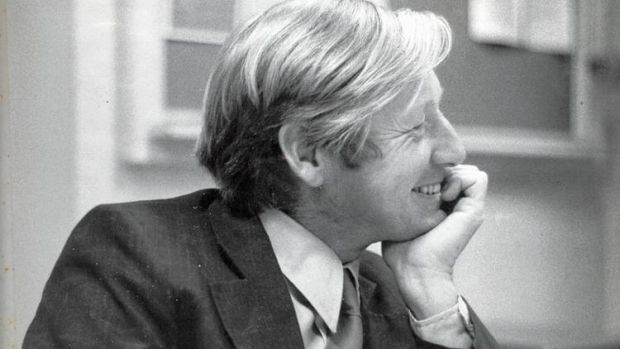
New Zealand native Brian Sutton-Smith, a developmental psychologist who brought study of fun off the playground and into the classroom, passed away earlier this month at age 90.
Jürgen Habermas, a globally known social theorist whose explorations of democracy, validity and communication have gained new prominence in the current moment, […] People often see science as a world apart: cool, rational and untouched by persuasion or performance. In this view, scientists simply discover […] “Research impact” means different things to different people. Some refer broadly to how science changes behaviors, beliefs, or practices outside academic institutions. […] David Canter considers informal places where people socialize, suggesting they’re an arena ChatGPT and other LLMs can’no’t replicate. As someone who lives […] It’s become cliche since Clive Humbly coined it in 2006, but data is indeed the new oil. It’s a mantra repeated by […] In September 2025, The Guardian reported about a lawyer in Australia having faced sanctions due to false citations. These citations were not […]
EXPLORE
Impact

Jürgen Habermas, 1929-2026: Exponent of the Public Sphere
READ MORE

Scientists Should Keep in Mind It’s Called the ‘Marketplace of Ideas’ for a Reason
READ MORE

Survey Finds Social Scientists Feel Unsupported in Seeking Societal Impact
READ MORE
Innovation

Reaching Parts to Which AI Has No Access
READ MORE

Andrea Medina-Smith on Making Research Data More FAIR
READ MORE

A Status Check on Hallucinated Case Law Incidents
READ MORE