

Could Distributed Peer Review Better Decide Grant Funding?
The landscape of academic grant funding is notoriously competitive and plagued by lengthy, bureaucratic processes, exacerbated by difficulties in finding willing reviewers. Distributed […]

Amid the ongoing pandemic, venues and events around the world are slowly reopening while others continue to remain online. Conferences in the […]

One of the most heavily contested voting-policy issues in the 2020 election, in both the courts and the political arena, was the deadline […]

Correcting mistakes in light of new data and updating findings to reflect this is often considered to be a key characteristic of scientific research. Commenting on the ‘Loss-of-Confidence Project’, a study into self-correction amongst psychologists, Julia M. Rohrer, suggests that in practice self-correction of published research is, infrequent, difficult to achieve and perceived to come with reputational costs. However, by reframing and changing the static nature of academic publications, it may be possible to develop a research culture more conducive to self-correction.
On April 28, 2021, join the Center for Advanced Study in the Behavioral Sciences (CASBS) in partnership with the Hewlett Foundation, the […]
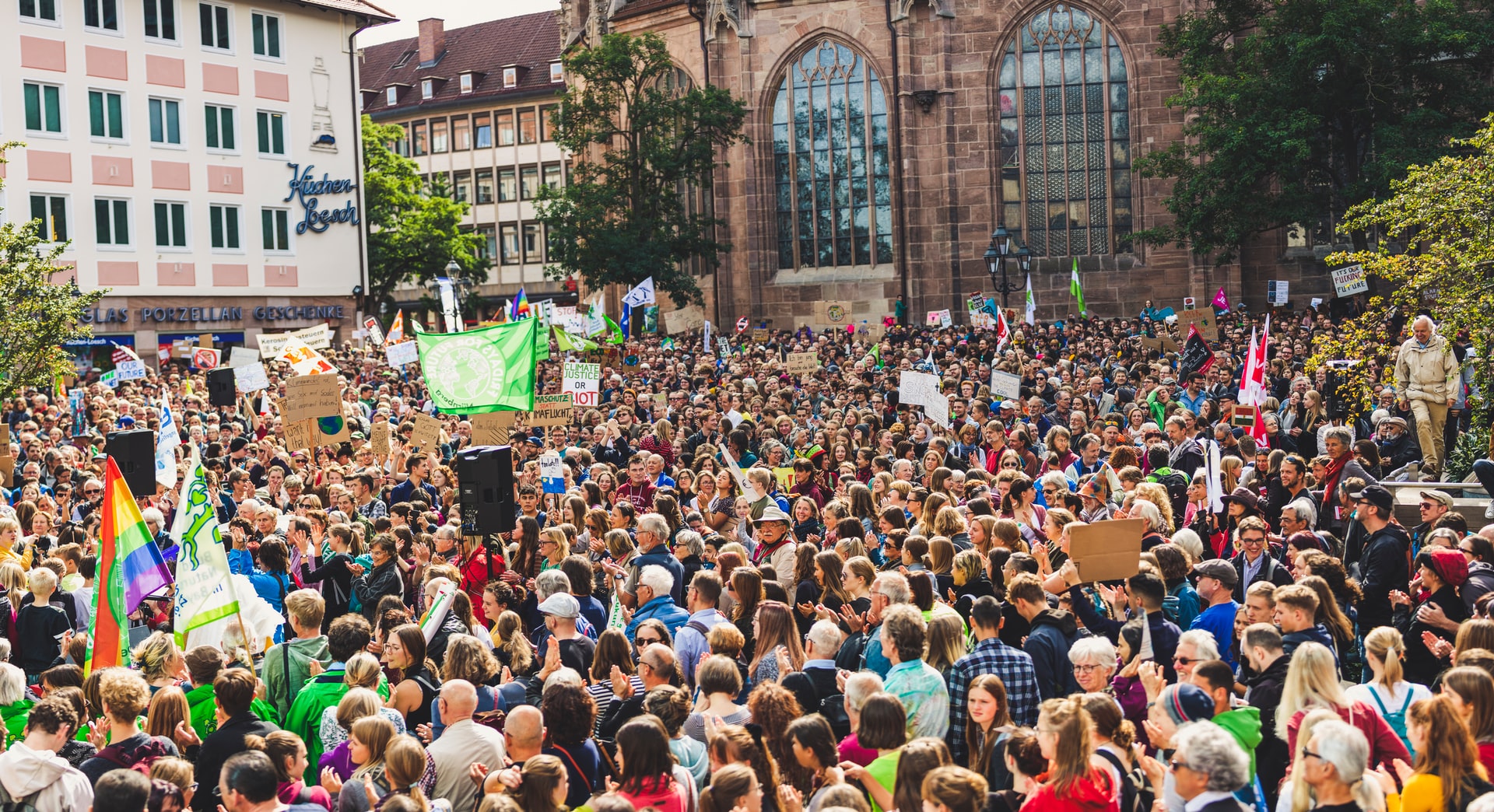
New research shows that states that require civics courses do not necessarily have better test scores, more youth voting or young people volunteering at higher rates than other states

Black undergraduates consistently said they trusted the people who run the colleges they attend – and society overall – substantially less than their white peers did. We have termed this difference the racial trust gap, and it was not a trivial difference.

The abstract to the paper, “An Integrative Definition and Framework to Study Gossip” appearing in the journal Group & Organization Management states, “The omnipresence of workplace gossip makes understanding gossip processes imperative to understand social life in organizations.”

Staying at home has completely changed our buying behaviors. Consumption during the COVID-19 pandemic has accelerated our technological advancement and reliance on […]

The Royal Swedish Academy of Sciences has awarded this year’s Nobel Prize in Economic Sciences to the American economists Robert E. Hall […] Four Americans working in the social and behavioral sciences are among the 20 people named MacArthur Fellows this year. Recipients may be […] Euan Adie, the founder of Altmetric and later of Overton, discusses the reasons the led to Overton’s focus on showing researchers how […] The following is an adapted extract from The Cultural Industries, fifth edition, by David Hesmondhalgh. The increasing presence of information technology (IT) […] Developers of AI data centers have a public trust problem. According to multiple surveys, a majority of Americans say they would oppose […] I was adding some final flourishes on the topic of ‘iatrocracy’ to my forthcoming book with Natewindé Sawadogo – Sickness and Social […]
EXPLORE
Impact
Economic Peaks, Troughs and This Year’s Nobelists in Economics
READ MORE
Four From Social Science World Receive 2026 MacArthur Fellowships
READ MORE
Quick Insight: Euan Adie on Getting Academics Credit for Their Impact
READ MORE
Innovation

IT Giants and Their Operations: Should We Be Concerned?
READ MORE

What We Miss When We Study Public Trust with Surveys Alone
READ MORE

AI and ‘Iatrocracy’ – A Cautionary Tale
READ MORE