


Could Distributed Peer Review Better Decide Grant Funding?
The landscape of academic grant funding is notoriously competitive and plagued by lengthy, bureaucratic processes, exacerbated by difficulties in finding willing reviewers. Distributed […]
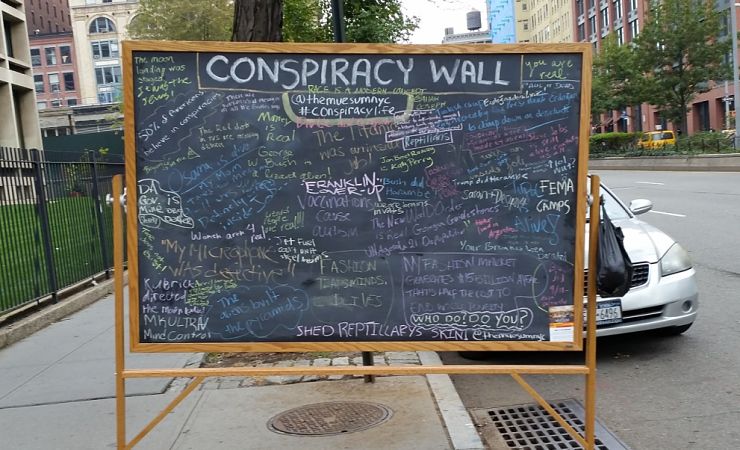
Ever since the coronavirus spread across the world, suspicions have proliferated about what is really going on. Questions arose about the origins […]
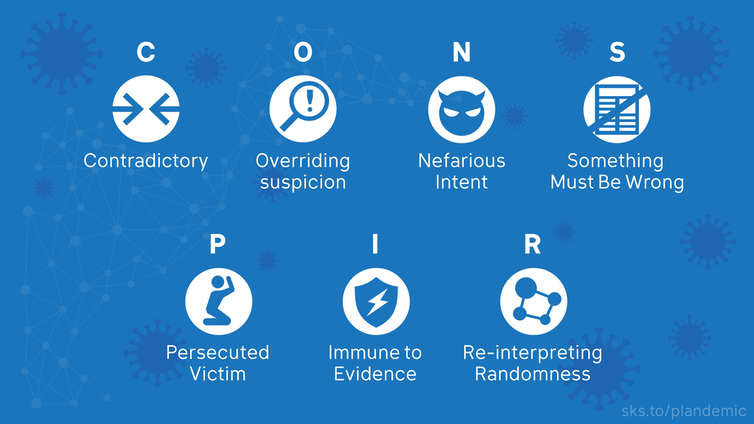
As scholars who research how to counter science misinformation and conspiracy theories, we believe there is also value in exposing the rhetorical techniques used in the viral video Plandemic. There are seven distinctive traits of conspiratorial thinking. Plandemic offers textbook examples of them all.
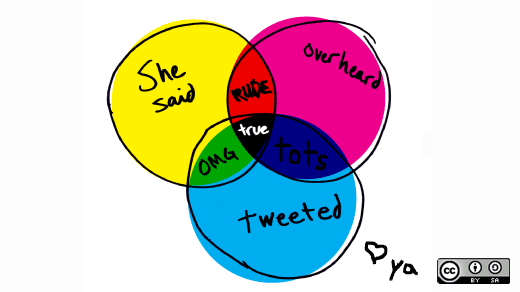
The answer for the kind of panicked flurry in reasoning we’re seeing during the COVID-19 pandemic may lie in a field of critical thinking called vice epistemology. This theory argues our thinking habits and intellectual character traits cause poor reasoning.
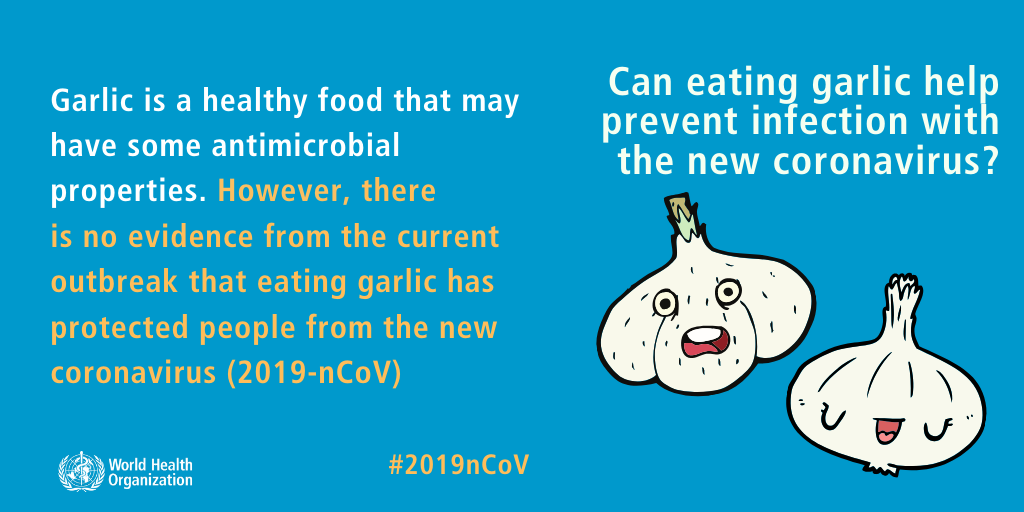
It’s also common to encounter people who are misinformed but don’t know it yet. It’s one thing to double-check your own information, but what’s the best way to talk to someone else about what they think is true – but which is not true?
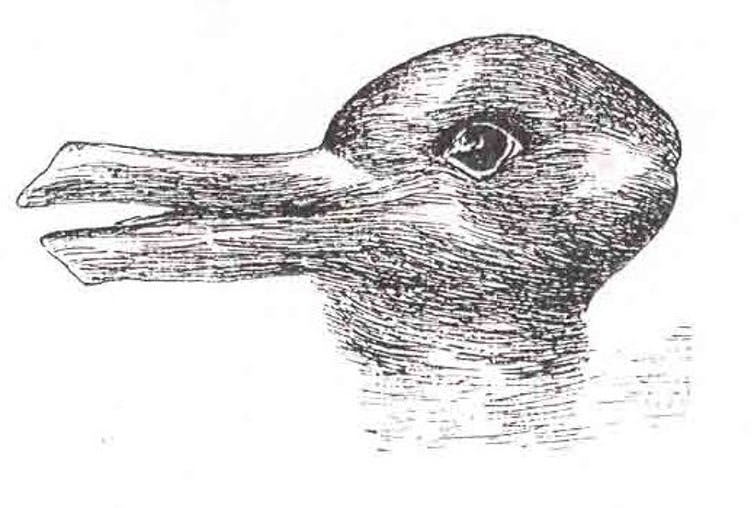
Crises rarely see human decision-making operating at its best. Politicians and policymakers have to make important decisions in unfamiliar circumstances, with vast gaps in the available information, and all in the full glare of public scrutiny. The psychology of decision making doesn’t just tell us a lot about the potential pitfalls in our own thinking – it alerts us to ways in which some of the world’s governments may go astray.
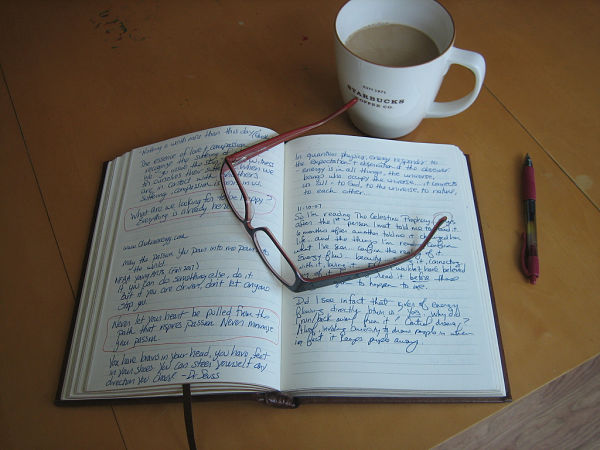
The move towards including the first person perspective is becoming more acceptable in academia, notes the University of Queensland’s Peter Ellerton, who adds, there are times when invoking the first person is more meaningful and even rigorous than not.
Tom Chatfield, author of the new SAGE Publishing book Critical Thinking, and Mark Kingwell, the University of Toronto, held a lively conversation on the import of technology on how we think and act ‘critically.’ Chatfield, described as a ‘tech philosopher,’ and Kingwell, a more traditional professor of philosophy, traded perspectives, insights into the digital, and purportedly post-truth, era in this one-hour webinar.
In this collection of videos , Tom Chatfield eschews the biblical but embraces the practical as he gives specific guidance for training your brain to think critically. In a digital era delivering rivers of information awash in ‘fake news,’ the significance and sheer volume of this information make the question of how we engage with it a vital one.

Four Americans working in the social and behavioral sciences are among the 20 people named MacArthur Fellows this year. Recipients may be […] Euan Adie, the founder of Altmetric and later of Overton, discusses the reasons the led to Overton’s focus on showing researchers how […] Here’s a couple of quick questions for you. What is the smallest of the eight discipline-based directorates at the United States’ National […] Developers of AI data centers have a public trust problem. According to multiple surveys, a majority of Americans say they would oppose […] I was adding some final flourishes on the topic of ‘iatrocracy’ to my forthcoming book with Natewindé Sawadogo – Sickness and Social […] How is AI changing the shape and space of higher education? Critical thinking continues to rank highly among key skills and attributes […]
EXPLORE
Impact

Four From Social Science World Receive 2026 MacArthur Fellowships
READ MORE

Quick Insight: Euan Adie on Getting Academics Credit for Their Impact
READ MORE

NSF’s Embattled SBE Directorate Shown as Agency’s Policy Heavyweight
READ MORE
Innovation

What We Miss When We Study Public Trust with Surveys Alone
READ MORE

AI and ‘Iatrocracy’ – A Cautionary Tale
READ MORE

The Critical Student: How GenAI Reshapes Critical Skills and Higher Education’s Role Preparing Students For It
READ MORE











































































