

Could Distributed Peer Review Better Decide Grant Funding?
The landscape of academic grant funding is notoriously competitive and plagued by lengthy, bureaucratic processes, exacerbated by difficulties in finding willing reviewers. Distributed […]
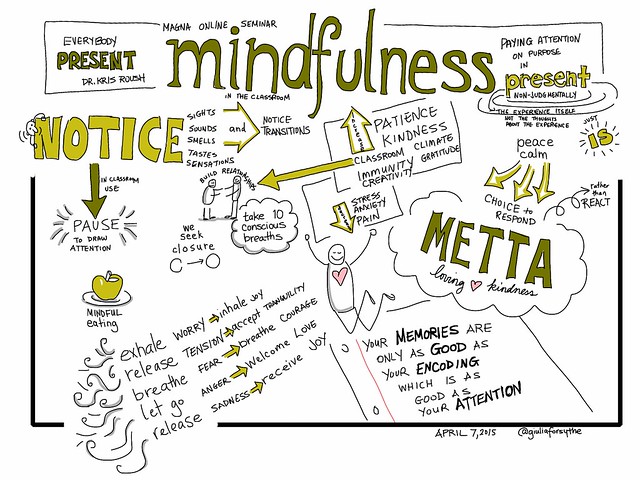
The popularization of mindfulness, write Daniel Nehring and Ashley Frawley, cannot just be understood as a recent response to public perceptions of a mental health crisis. Rather, it is the result of developments in academic psychology, in its clinical uses in psychotherapy, and in its growing commercial exploitation from the 1980s onwards.

Surely preparing Britain’s social science community to take the lead in a future of global and interdisciplinary team research isn’t a quest for a mythical beast? Matt Flinders, who heads an ESRC project trying to nurture that leadership, doesn’t think so – but he understands why someone might think it is.
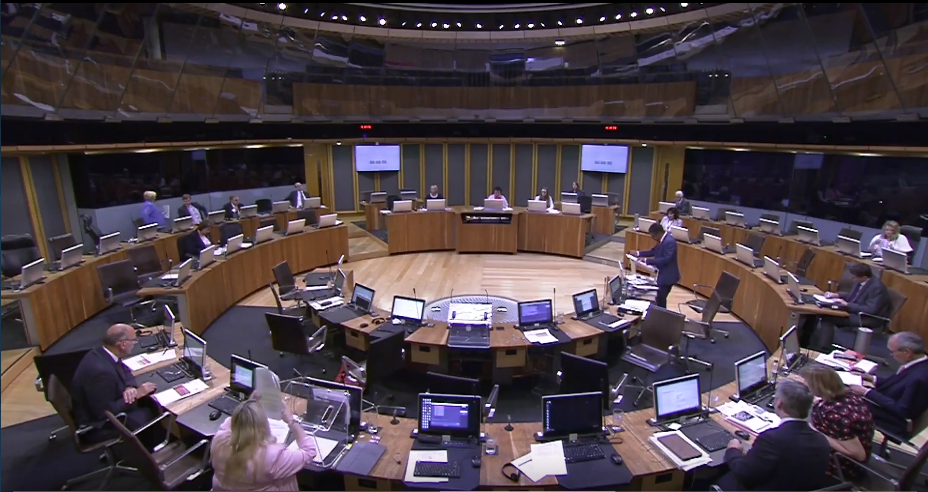
The Wales Centre for Public Policy is helping to inform and shape policy decisions by presenting research evidence directly to government ministers, producing over 120 studies in the last five years – supporting effective policy making and benefiting public services across Wales.

When practitioners first learn about the matches we do at r4i, one question that sometimes arises is whether it’s worth taking the time to speak with a researcher? Here Adam Seth Levine uses the 2018 data to help answer this question.

Open access is often discussed as a process of flipping the existing closed subscription based model of scholarly communication to an open one. In Latin America an open access ecosystem for scholarly publishing has been in place for over a decade. Could efforts like Plan S actually hurt this established initiative?

Even as government spending per-student for higher education institutions has been faltering in the United States, private money has been flowing in. But not all public institutions are getting the same amount of seed money from outsiders.
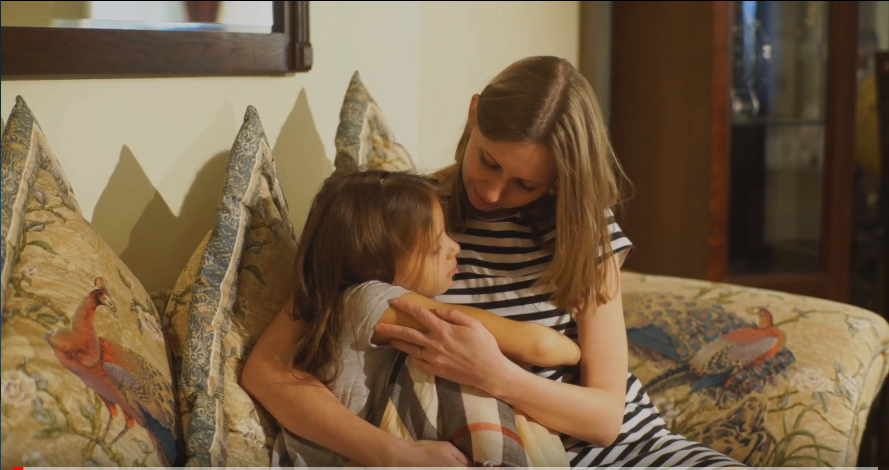
An estimated 312,000 children annually lose a parent to imprisonment in England and Wales. Dr. Shona Minson, is the winner for Outstanding Early Career Impact in the ESRC Celebrating Impact Prize 2019.

A critical blind spot in the impact agenda has been that impact is understood and defined solely in positive terms. Gemma Derrick and Paul Benneworth introduce the concept of ‘grimpact’ to describe instances where research negatively impacts society. Researchers and science systems, they argue, are poorly equipped to deal with.
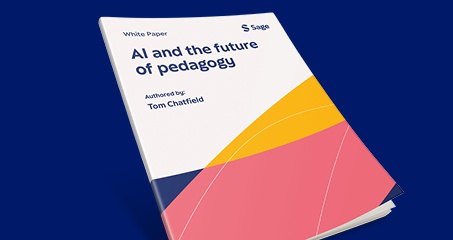
When people trust science, they can make better decisions, follow helpful rules and work together on big problems like health, climate change […] Do you know a social or behavioral science researcher whose work resonates across disciplines and which has made a significant impact in […] Please note: this contest has now closed. The winner will be contacted in due course. This November, Sage and Overton invite you to share the unexpected […] The latest generation of artificial intelligence models is sharper and smoother, producing polished text with fewer errors and hallucinations. As a philosophy […] In a new white paper by Tom Chatfield, the philosopher of tech and critical thinking outlines a practical roadmap for integrating artificial intelligence into […] Distance learning far precedes the digital age. Before online courses, people relied on print materials (and later radio and other technologies) to […]
EXPLORE
Impact

There Is a Cost to Being Honest About Science
READ MORE

Outstanding Social and Behavioral Scientists Sought for Sage-CASBS Award
READ MORE
![Share Your Most Surprising Policy Citation for Chance to Win $500 [Closed]](https://www.socialsciencespace.com/wp-content/themes/conferpress/images/default_thumbnail-new-border.jpg "Share Your Most Surprising Policy Citation for Chance to Win $500 [Closed]")
Share Your Most Surprising Policy Citation for Chance to Win $500 [Closed]
READ MORE
Innovation

An AI Authorship Protocol Aims to Sharpen a Sometimes-Fuzzy Line
READ MORE

A Box Unlocked, Not A Box Ticked: Tom Chatfield on AI and Pedagogy
READ MORE

AI Gaming of Some Online Courses Threatens Their Credibility
READ MORE