



Could Distributed Peer Review Better Decide Grant Funding?
The landscape of academic grant funding is notoriously competitive and plagued by lengthy, bureaucratic processes, exacerbated by difficulties in finding willing reviewers. Distributed […]
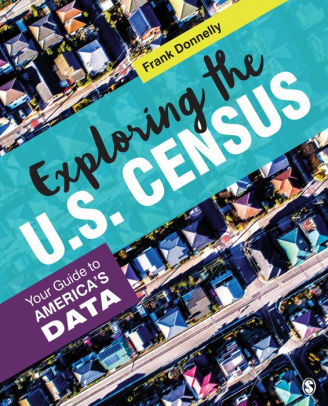
The concept of the labor force describes a person’s employment status, and like all U.S. Census Bureau definitions, the terminology is quite specific. The labor force consists of all people 16 years of age or older who are working (employed), are not working but are actively seeking work (unemployed)…
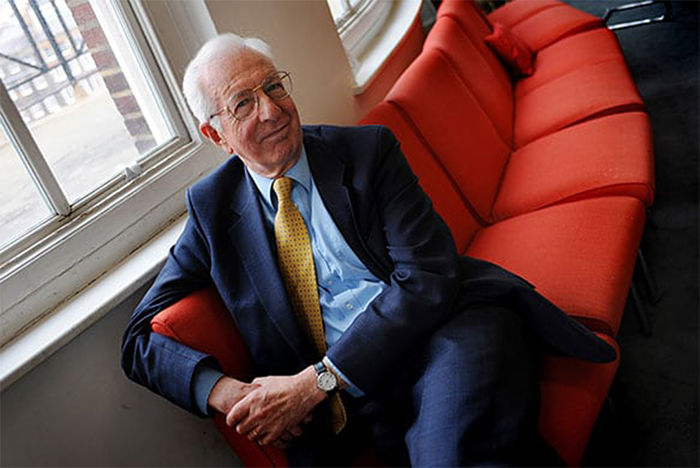
Richard Layard remembers being a history student sitting in Oxford’s Bodleian Library on a misty morning, reading philosopher Jeremy Bentham (he of the famed “It is the greatest happiness of the greatest number that is the measure of right and wrong”). As he recounts to interviewer David Edmonds in this Social Science Bites podcast, he thought, “Oh yes, this is what it’s all about.”

David Canter comments on the propaganda value of the British Government proposal to use ‘lie detectors’ with convicted terrorists.
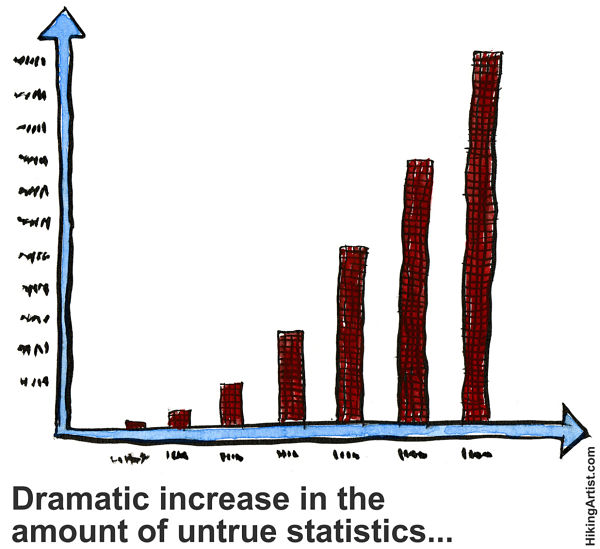
Statistics are not the final objective answer to things. They can be interpreted in lots of different ways, even when none of those ways is wrong per se. That opens up a space for public debate, which is good news, but it also opens up a space where statistics can either be lauded as the truth (when they are not), or dismissed out of hand as ‘biased’.
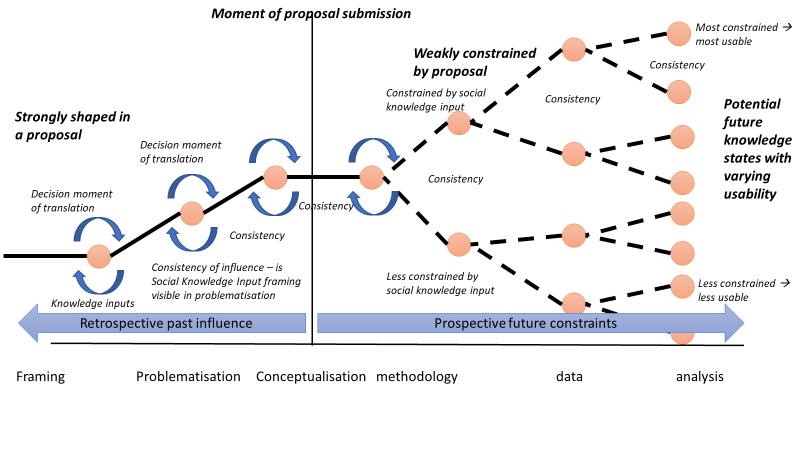
UK Research and Innovation, Britain’s main research funding body, is scrapping separate impact sections from all grant applications. Paul Benneworth and Julia Olmos Peñuela argue how impact statements can produce meaningful statements of the potential future impact of research and set out a framework for assessing these claims.
When most Americans think of the census, they think of the 10-year or decennial census that is used to gather basic data about the total population. The decennial census is an actual count of people and housing units, and it serves as the baseline for measuring and generating other census data-sets…

The importance of unlearning, or abandoning obsolete beliefs, values, knowledge, and routines, for the growth of both organizations and individuals, is generally well-known in management learning and human resource fields. But it often misses action on the level of the individual.

Being moved, touched, team pride, patriotism, being touched by the Spirit, burning in the bosom, the feels, or even nostalgia. Many names for what Alan Fiske and his colleagues have determined is one emotion. So theycoined a scientific term for it, ‘kama muta.’


Euan Adie, the founder of Altmetric and later of Overton, discusses the reasons the led to Overton’s focus on showing researchers how […] Here’s a couple of quick questions for you. What is the smallest of the eight discipline-based directorates at the United States’ National […] Sage’s 10-Year Impact Awards recognize academic papers appearing in Sage-published journals that have achieved lasting impact. The winning papers are the most […] I was adding some final flourishes on the topic of ‘iatrocracy’ to my forthcoming book with Natewindé Sawadogo – Sickness and Social […] How is AI changing the shape and space of higher education? Critical thinking continues to rank highly among key skills and attributes […] My colleagues and I recently spoke with a group of talented, interesting students who just completed their first year of college about […]
EXPLORE
Impact

Quick Insight: Euan Adie on Getting Academics Credit for Their Impact
READ MORE

NSF’s Embattled SBE Directorate Shown as Agency’s Policy Heavyweight
READ MORE

Sage’s 10-Year Impact Awards Capture Longer-Term Significance
READ MORE
Innovation

AI and ‘Iatrocracy’ – A Cautionary Tale
READ MORE

The Critical Student: How GenAI Reshapes Critical Skills and Higher Education’s Role Preparing Students For It
READ MORE

AI Doesn’t Drive Student Cheating. It Just Hitches a Ride
READ MORE