
Could Distributed Peer Review Better Decide Grant Funding?
The landscape of academic grant funding is notoriously competitive and plagued by lengthy, bureaucratic processes, exacerbated by difficulties in finding willing reviewers. Distributed […]
Plan S focuses on making all publicly funded research immediately fully and freely available by open access publication. If Australia does not adopt Plan S, the authors argue, it could potentially restrict collaboration, publishing, and funding opportunities with research bodies who subscribe to this ambitious movement.
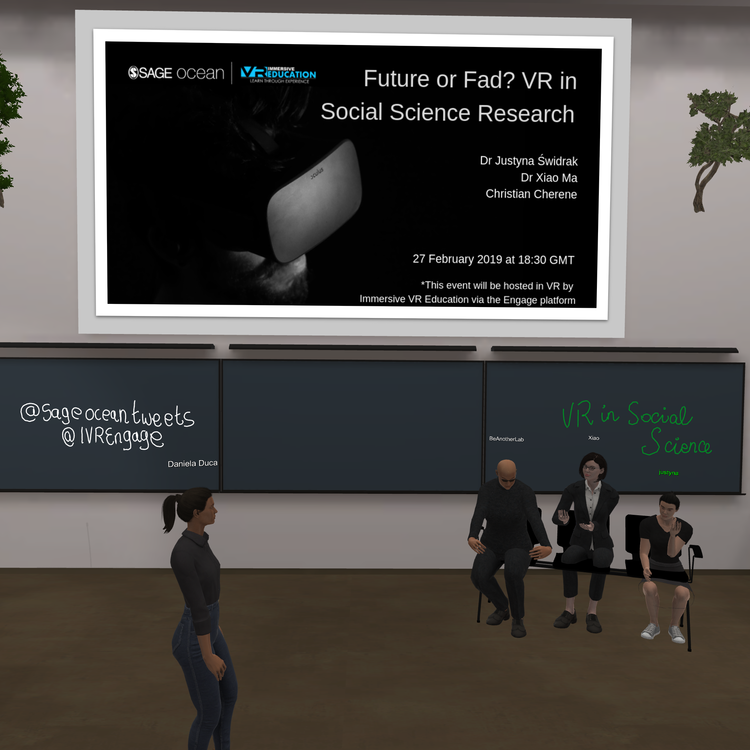
In February SAGE Ocean ran an enthralling event experience. Three panelists, two hosts and about 20 attendees all put their headsets on from their labs, offices and homes to join a virtual classroom decorated with trees, a castle, a slightly scary tiger and a hippo, to talk about the future of VR in social science research.
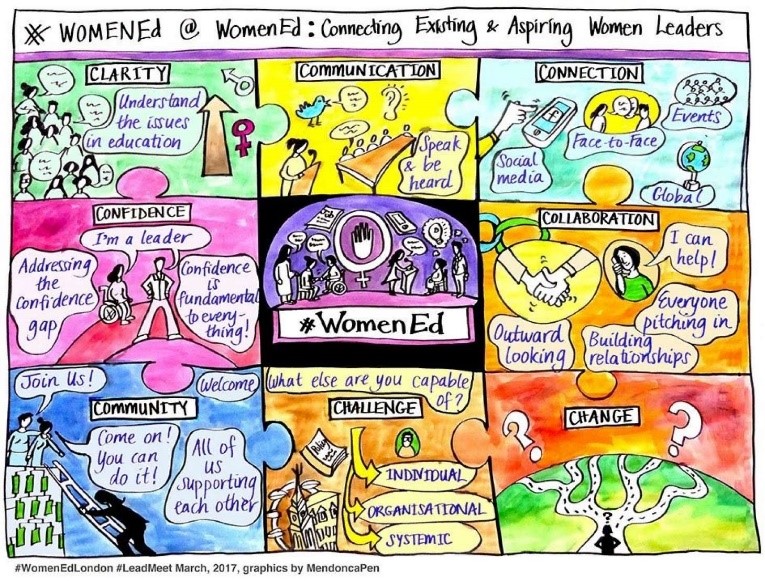
In honor of International Woman’s Day, Social Science Space highlights some past posts from innovative leaders in social science, academics whose work continues to lead social science and academia into the future.
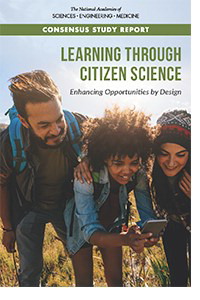
The National Academies of Sciences, Engineering, and Medicine established a committee of experts to conduct a study on how citizen science projects can be better designed to support science learning. The committee was tasked with identifying and describing existing citizen science, to develop a set of evidence-based principles to guide the design of citizen science projects.

The U.S. military’s innovation incubator, the Defense Advanced Research Projects Agency, has signed the Center for Open Science to create a research claims database as DARPA’s first step to assign a ‘credibility score’ to social and behavioral science research.
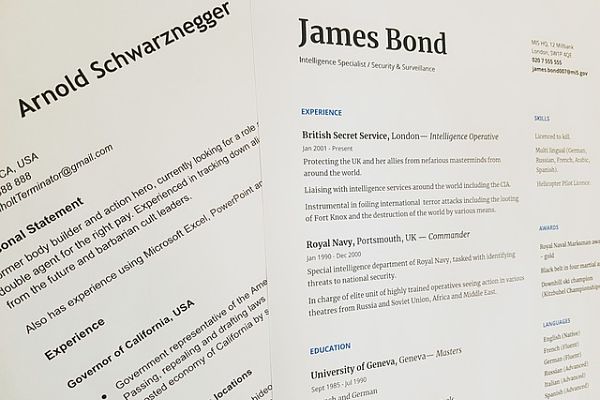
At his business school, writes Larry Peters, success came from engaging faculty at all levels in expanding their roles and their time to accomplish what they needed and what the school and department needed. ‘We came to see,’ he writes, ‘as individuals, that we needed to be partners with the school’s leaders to help ensure that the collective could succeed.’
The final agreement ending the most recent U.S. government shutdown provides $8.1 billion for the National Science Foundation, a $301 million increase over the amount appropriated in fiscal year 2018.
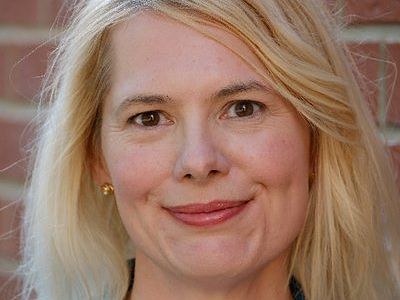
Gina Neff doesn’t approach smart devices as a Luddite or even that much of an alarmist; she bought first-generation Fitbit when they were brand new and virtually unknown (all of five years ago!). She approaches them as a sociologist, “looking at the practices of people who use digital devices to monitor, map and measure different aspects of their life.”

Euan Adie, the founder of Altmetric and later of Overton, discusses the reasons the led to Overton’s focus on showing researchers how […] Here’s a couple of quick questions for you. What is the smallest of the eight discipline-based directorates at the United States’ National […] Sage’s 10-Year Impact Awards recognize academic papers appearing in Sage-published journals that have achieved lasting impact. The winning papers are the most […] I was adding some final flourishes on the topic of ‘iatrocracy’ to my forthcoming book with Natewindé Sawadogo – Sickness and Social […] How is AI changing the shape and space of higher education? Critical thinking continues to rank highly among key skills and attributes […] My colleagues and I recently spoke with a group of talented, interesting students who just completed their first year of college about […]
EXPLORE
Impact

Quick Insight: Euan Adie on Getting Academics Credit for Their Impact
READ MORE

NSF’s Embattled SBE Directorate Shown as Agency’s Policy Heavyweight
READ MORE

Sage’s 10-Year Impact Awards Capture Longer-Term Significance
READ MORE
Innovation

AI and ‘Iatrocracy’ – A Cautionary Tale
READ MORE

The Critical Student: How GenAI Reshapes Critical Skills and Higher Education’s Role Preparing Students For It
READ MORE

AI Doesn’t Drive Student Cheating. It Just Hitches a Ride
READ MORE