

Could Distributed Peer Review Better Decide Grant Funding?
The landscape of academic grant funding is notoriously competitive and plagued by lengthy, bureaucratic processes, exacerbated by difficulties in finding willing reviewers. Distributed […]
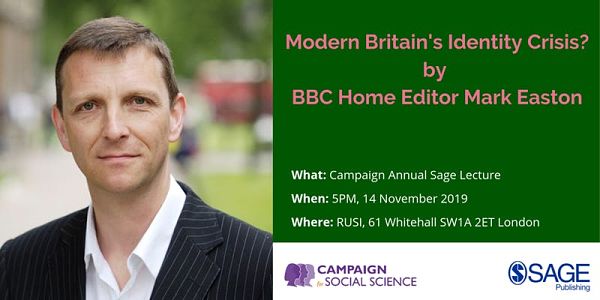
Journalist Mark Easton will address “Britain’s Modern Identity Crisis” as the the Campaign for Social Science hosts the annual SAGE Publishing Lecture. The lecture takes place on November 14 in London. For more information, or to view the prog
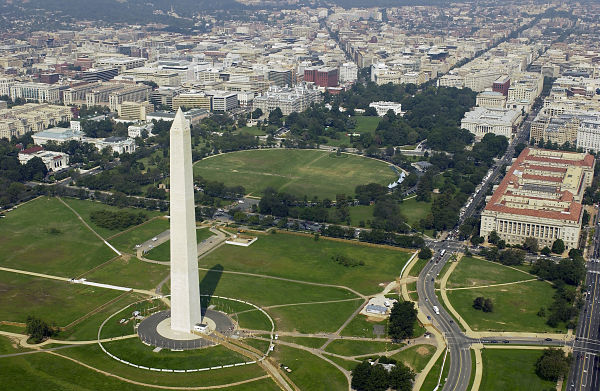
A conference bringing together researchers, policy makers, professional societies, evaluators, funders, private sector players, and a variety of stakeholders to talk about impact in the social sciences and humanities takes place later this month in Washington, D.C.

There are nearly 2.2 million incarcerated Americans, according to the Bureau of Justice Statistics. If this population were to form a city, it would be the fifth largest in the country—just behind Houston. Join a briefing on October 10 explaining the cost and effect of this staggering number on the United States.
The National Science Foundation, the largest government funder of basic social and behavioral research in the United States, is changing how it “positions” some of its research programs in those fields. While the changes are meant to better highlight the value of social science, not everyone is pleased by the changes.
UPDATED: The U.S. Senate committee that oversees funding for the National Science Foundation, and with that most of the federal money spent on basic social and behavioral science research, today approved a 2020 budget that increases NSF spending by $242 million compared to the current fiscal year. The bill must still pass the full Senate, and be reconciled with a more generous House version.
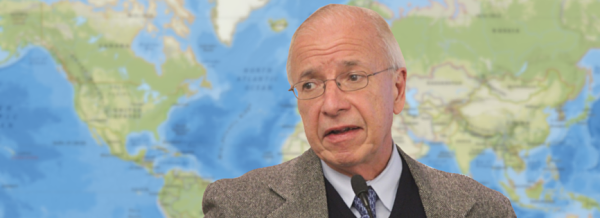
Alejandro Portes will be recognized for his award in October. He is the Princeton/University of Miami sociologist behind concepts such as the ethnic enclave and segmented immigration.
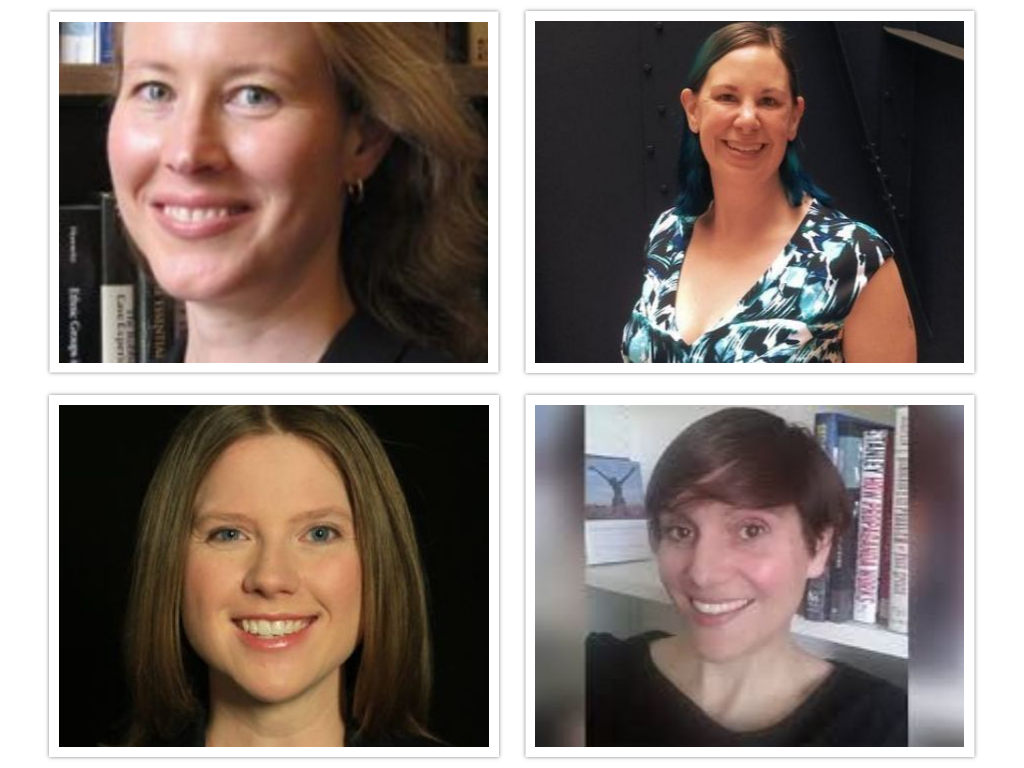
As part of a project sponsored by the National Academy of Sciences and the Rita Allen Foundation, four science communications experts tackled surrounding the effective and ethical communication of science to relevant policymakers. in this webinar, we talk to the four experts about their findings and the processes they recommend.
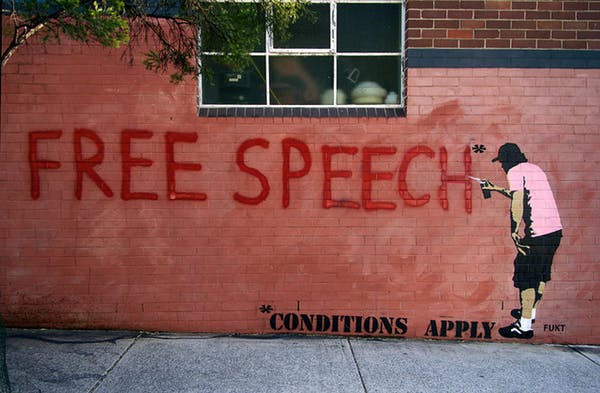
Concerns that free speech is being on university campuses, at least in the United Kingdom, are overblown, with the biggest threat originating not on campuses but from the government and its Prevent program. That’s a key takeaway in a new paper from Britain’s Higher Education Policy Institute, Free Speech and Censorship on Campus.

The Royal Swedish Academy of Sciences has awarded this year’s Nobel Prize in Economic Sciences to the American economists Robert E. Hall […] Four Americans working in the social and behavioral sciences are among the 20 people named MacArthur Fellows this year. Recipients may be […] Euan Adie, the founder of Altmetric and later of Overton, discusses the reasons the led to Overton’s focus on showing researchers how […] The following is an adapted extract from The Cultural Industries, fifth edition, by David Hesmondhalgh. The increasing presence of information technology (IT) […] Developers of AI data centers have a public trust problem. According to multiple surveys, a majority of Americans say they would oppose […] I was adding some final flourishes on the topic of ‘iatrocracy’ to my forthcoming book with Natewindé Sawadogo – Sickness and Social […]
EXPLORE
Impact
Economic Peaks, Troughs and This Year’s Nobelists in Economics
READ MORE
Four From Social Science World Receive 2026 MacArthur Fellowships
READ MORE
Quick Insight: Euan Adie on Getting Academics Credit for Their Impact
READ MORE
Innovation

IT Giants and Their Operations: Should We Be Concerned?
READ MORE

What We Miss When We Study Public Trust with Surveys Alone
READ MORE

AI and ‘Iatrocracy’ – A Cautionary Tale
READ MORE