

Could Distributed Peer Review Better Decide Grant Funding?
The landscape of academic grant funding is notoriously competitive and plagued by lengthy, bureaucratic processes, exacerbated by difficulties in finding willing reviewers. Distributed […]
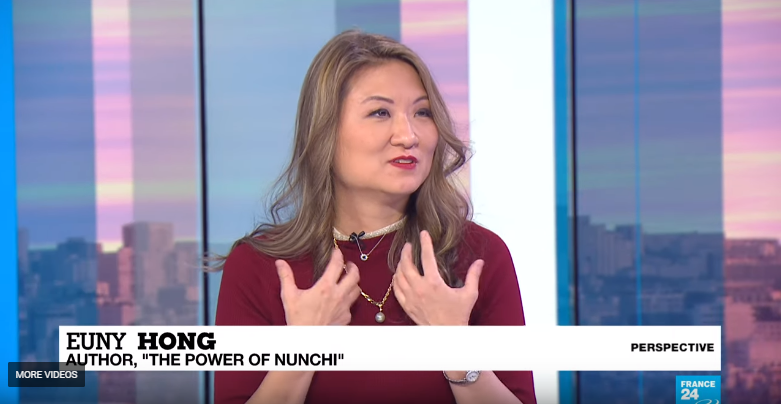
With a little luck, nunchi — billed as ‘the Korean secret to happiness,’ might just become the next mindfulness, spawning a decade-defining self-help trend and sparking a lasting media debate.
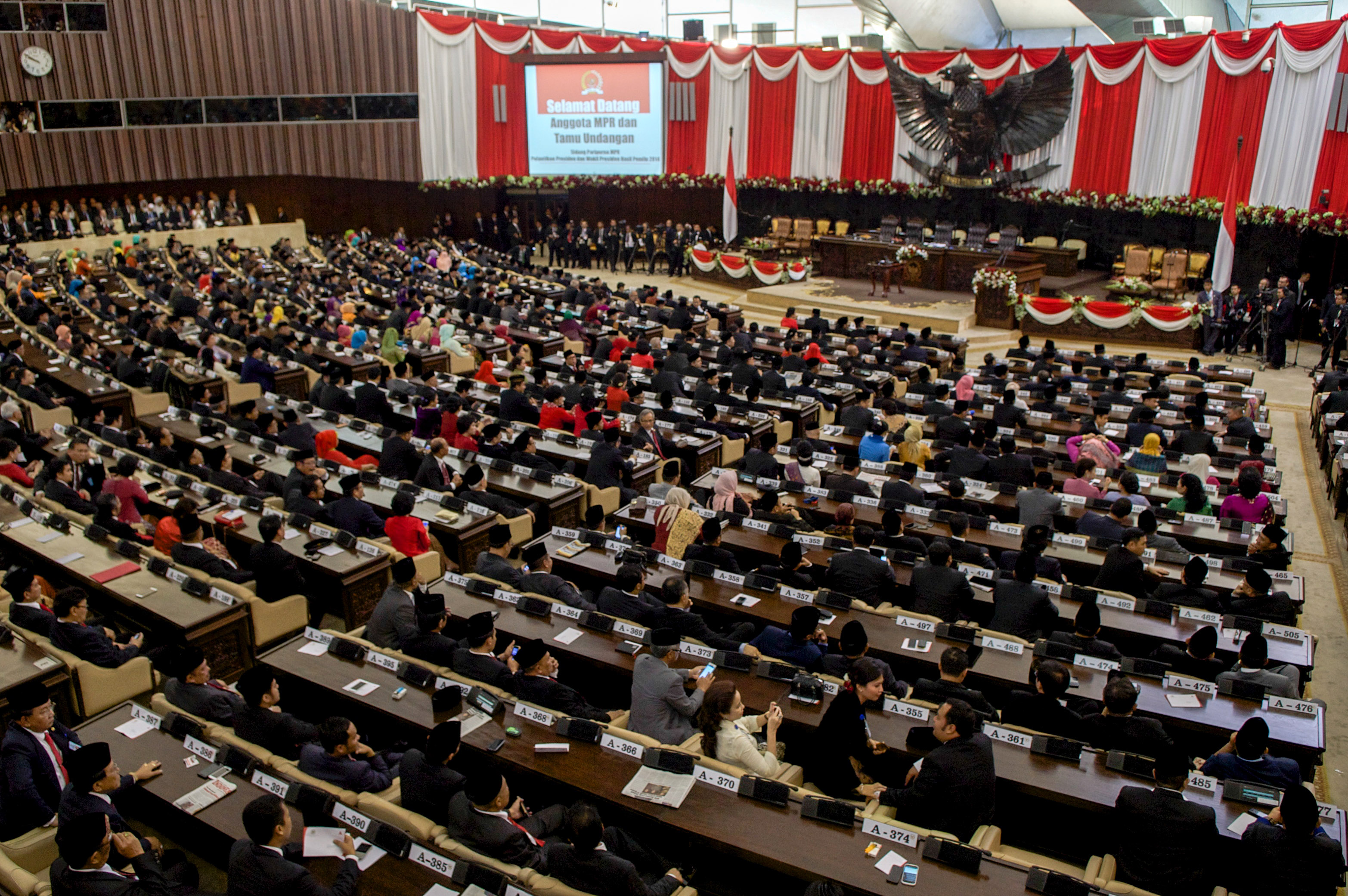
Our study, Doing Research Assessment, shows Indonesian policy-making is predominantly informed by research with poor theoretical engagement, with no strong tradition of peer review and with legal threats to academic freedom.

Science journalist Hope Reese speaks with Naomi Oreskes, author of the new book ‘Why Trust Science?’ about how to trust science that may conflict with our moral or religious values and what we can do to prevent bias in scientific communities, and methodological fetishism, among other topics.

Funders from private industry — which represent two-thirds of funding in medical research, for example — can go great lengths to suppress the publication of findings which appear unfavorable. How can academic freedom be protected with this monumental funding shift?
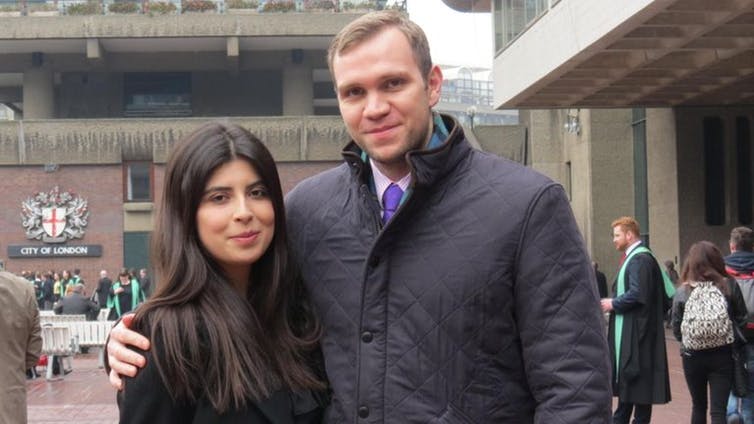
I had no reservations about conducting research in the UAE. And I underwent a rigorous ethical and fieldwork assessment and was sure to follow established protocols before and during my trip. Yet I was imprisoned for nearly seven months …
Academic freedom is under threat everywhere. Not only do some countries perpetrate direct attacks on students and scholars. But the internationalization of higher education has also created new global threats for both scholars and students. Here is how to defend academic freedom.
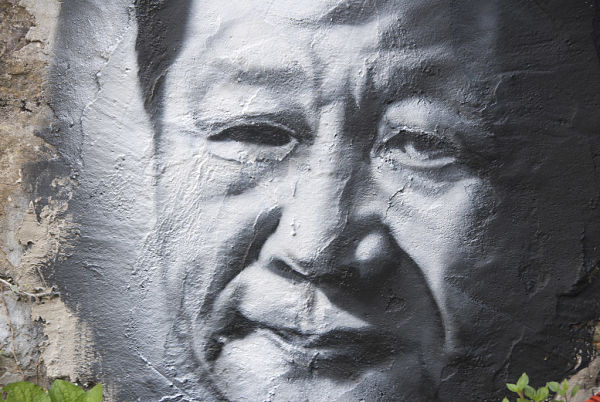
New bans and restrictions of research and teaching on topics such as constitutionalism and civil society have impeded independent scholarship in China. How should universities and academics outside of China react?
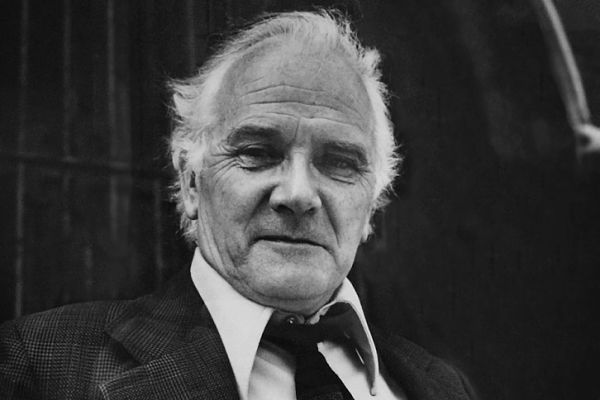
In the last 20 years or so there has been much excitement, particularly in science and technology studies, about Actor-Network Theory. One of its most distinctive features is the way in which it ascribes agency to material objects. Perhaps we should not be crediting Bruno Latour or Michel Callon with the original insight – but an English humourist, Paul Jennings.
Jürgen Habermas, a globally known social theorist whose explorations of democracy, validity and communication have gained new prominence in the current moment, […] People often see science as a world apart: cool, rational and untouched by persuasion or performance. In this view, scientists simply discover […] “Research impact” means different things to different people. Some refer broadly to how science changes behaviors, beliefs, or practices outside academic institutions. […] David Canter considers informal places where people socialize, suggesting they’re an arena ChatGPT and other LLMs can’no’t replicate. As someone who lives […] It’s become cliche since Clive Humbly coined it in 2006, but data is indeed the new oil. It’s a mantra repeated by […] In September 2025, The Guardian reported about a lawyer in Australia having faced sanctions due to false citations. These citations were not […]
EXPLORE
Impact
Jürgen Habermas, 1929-2026: Exponent of the Public Sphere
READ MORE

Scientists Should Keep in Mind It’s Called the ‘Marketplace of Ideas’ for a Reason
READ MORE

Survey Finds Social Scientists Feel Unsupported in Seeking Societal Impact
READ MORE
Innovation

Reaching Parts to Which AI Has No Access
READ MORE

Andrea Medina-Smith on Making Research Data More FAIR
READ MORE

A Status Check on Hallucinated Case Law Incidents
READ MORE