



Could Distributed Peer Review Better Decide Grant Funding?
The landscape of academic grant funding is notoriously competitive and plagued by lengthy, bureaucratic processes, exacerbated by difficulties in finding willing reviewers. Distributed […]
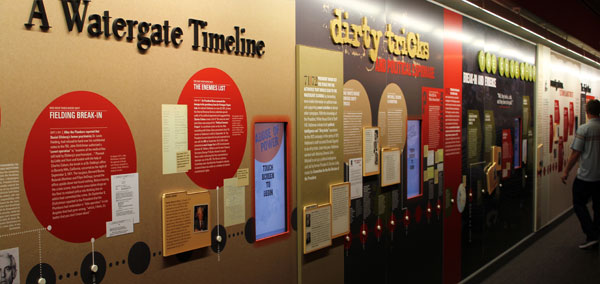
What does the Watergate saga of the early 1970s tell us about the current furor over investigations centered on the occupant of the white House?
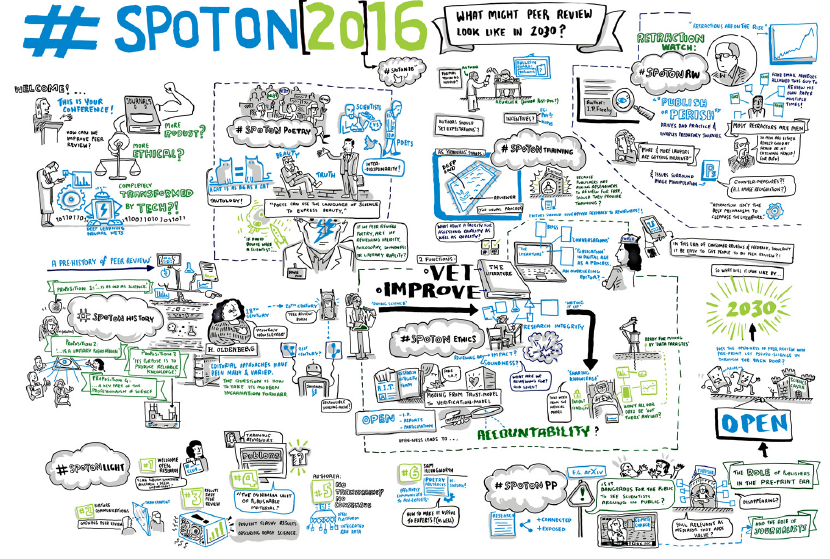
The founder of StateReviewer outlines a future where humans are written out of the publication process by artificial intelligence. But is the goal of eradicating bias and other malignancies potentially opening the door to a new set of ills?
A new website promises to spotlight evidence-based initiatives that offer deep insight into tough problems – from staying in college and increasing savings rates to improving medication adherence and vaccination uptake – into a single tool.

Membership in the European Union was a contract, and the differing legal approaches between situational British common law and the more codified French approach helps explain some of the rancor as Brexit comes to be applied.
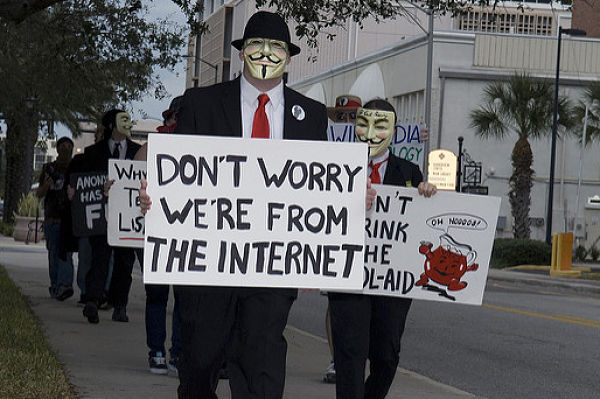
‘By looking more closely at how fake news moves and mobilizes people, we can develop a richer picture of not only how much it circulates where, but also why it circulates and how it resonates amongst different publics.’
Social Science Works, a new German-based international think tank, launches a product to assist decision makers in evaluating the quality of social science research.

As sociology has drifted further and further from any conservative touchstones, argues Robert Dingwall, it has become less and less able to understand the society that provides its subsistence.

When researchers from countries where regulation is well developed choose to conduct ethically dubious research in countries where regulation is not as strict, it is known as “ethics dumping.” When it happened to Africa’s San people, they responded.

The Royal Swedish Academy of Sciences has awarded this year’s Nobel Prize in Economic Sciences to the American economists Robert E. Hall […] Four Americans working in the social and behavioral sciences are among the 20 people named MacArthur Fellows this year. Recipients may be […] Euan Adie, the founder of Altmetric and later of Overton, discusses the reasons the led to Overton’s focus on showing researchers how […] The following is an adapted extract from The Cultural Industries, fifth edition, by David Hesmondhalgh. The increasing presence of information technology (IT) […] Developers of AI data centers have a public trust problem. According to multiple surveys, a majority of Americans say they would oppose […] I was adding some final flourishes on the topic of ‘iatrocracy’ to my forthcoming book with Natewindé Sawadogo – Sickness and Social […]
EXPLORE
Impact
Economic Peaks, Troughs and This Year’s Nobelists in Economics
READ MORE
Four From Social Science World Receive 2026 MacArthur Fellowships
READ MORE

Quick Insight: Euan Adie on Getting Academics Credit for Their Impact
READ MORE
Innovation

IT Giants and Their Operations: Should We Be Concerned?
READ MORE

What We Miss When We Study Public Trust with Surveys Alone
READ MORE

AI and ‘Iatrocracy’ – A Cautionary Tale
READ MORE