

Could Distributed Peer Review Better Decide Grant Funding?
The landscape of academic grant funding is notoriously competitive and plagued by lengthy, bureaucratic processes, exacerbated by difficulties in finding willing reviewers. Distributed […]
In addition to thesis writing, PhD candidates in SHAPE subjects are expected to be able to communicate their research to diverse audiences […]
While journalism might at times be seen as a sort of ‘ethnography lite,’ when it comes to checking out the field reporter’s facts it’s much more of a heavy hitter.
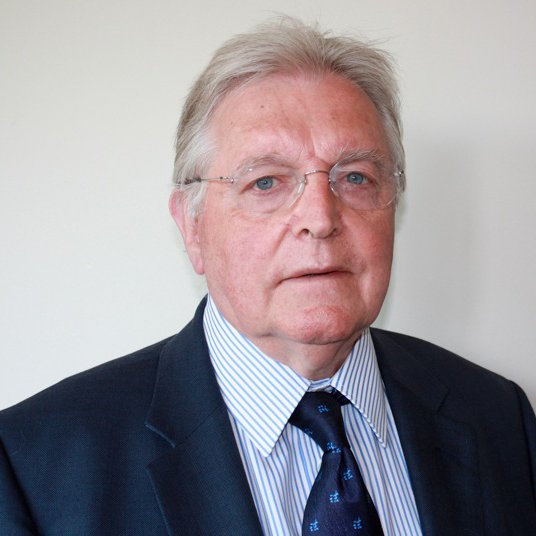
Professor Roger Hood CBE, QC (Hon), PhD, DCL, LLD (Hon), FBA, known for his immense contributions to the international discipline of criminology, […]

From scholarly article to practical guides, from textbooks to media, from weighty tomes to tweets, researchers and academic writers have many options […]
The social sciences have a crucial role to play in the COVID-19 recovery, and in addressing many other challenges society faces. However, […]
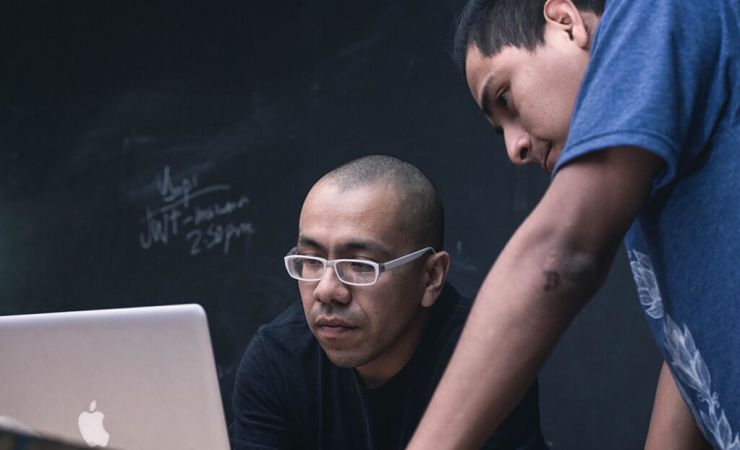
COVID-19 has led to new ways of working which have transformed research practices. This has created opportunities for research cultures to be more inclusive and accessible- especially to those for whom the university is a barrier. However, post-pandemic, research cultures also need to change. In this post, Stuart Read, Anne Parfitt and Tanvir Bush outline three provocations that researchers can ask as part of an inclusive research practice.

Since it started in 2011, Academic Writing Month has seen a growth of workshops and initiatives aimed at helping researchers to prioritise […]
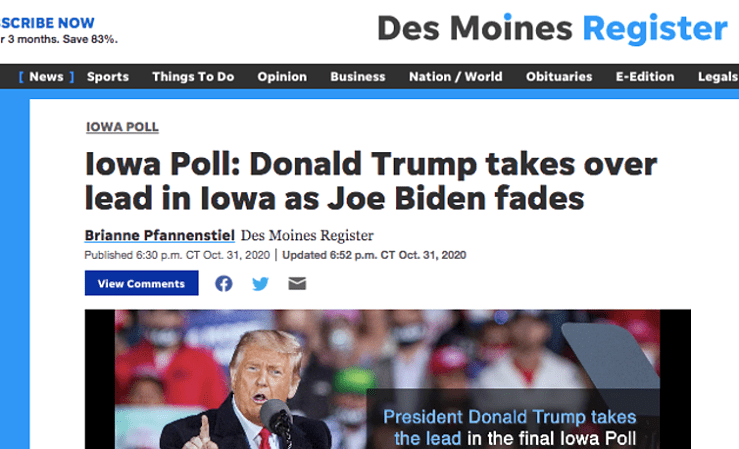
W. Joseph Campbell is an authority on the history of presidential polling, and in that story, as well as his recent book, “Lost in a Gallup: Polling Failure in Presidential Elections,” he details just how polls and pollsters – and those who put their faith in them – have misread public opinion when it comes to elections.
Jürgen Habermas, a globally known social theorist whose explorations of democracy, validity and communication have gained new prominence in the current moment, […] People often see science as a world apart: cool, rational and untouched by persuasion or performance. In this view, scientists simply discover […] “Research impact” means different things to different people. Some refer broadly to how science changes behaviors, beliefs, or practices outside academic institutions. […] David Canter considers informal places where people socialize, suggesting they’re an arena ChatGPT and other LLMs can’no’t replicate. As someone who lives […] It’s become cliche since Clive Humbly coined it in 2006, but data is indeed the new oil. It’s a mantra repeated by […] In September 2025, The Guardian reported about a lawyer in Australia having faced sanctions due to false citations. These citations were not […]
EXPLORE
Impact

Jürgen Habermas, 1929-2026: Exponent of the Public Sphere
READ MORE

Scientists Should Keep in Mind It’s Called the ‘Marketplace of Ideas’ for a Reason
READ MORE

Survey Finds Social Scientists Feel Unsupported in Seeking Societal Impact
READ MORE
Innovation

Reaching Parts to Which AI Has No Access
READ MORE

Andrea Medina-Smith on Making Research Data More FAIR
READ MORE

A Status Check on Hallucinated Case Law Incidents
READ MORE