



Could Distributed Peer Review Better Decide Grant Funding?
The landscape of academic grant funding is notoriously competitive and plagued by lengthy, bureaucratic processes, exacerbated by difficulties in finding willing reviewers. Distributed […]

Jargon, a specialized language or set of expressions used by a specific group, is by its nature exclusionary, so it’s likely no surprise that scientific, technical or legal jargon may leave outsiders in the cold. A series of studies from researchers at Ohio State University suggests that jargon may turn off people well beyond an offending passage, and that one popular way to soften any harm – using jargon but immediately defining it – may not work.
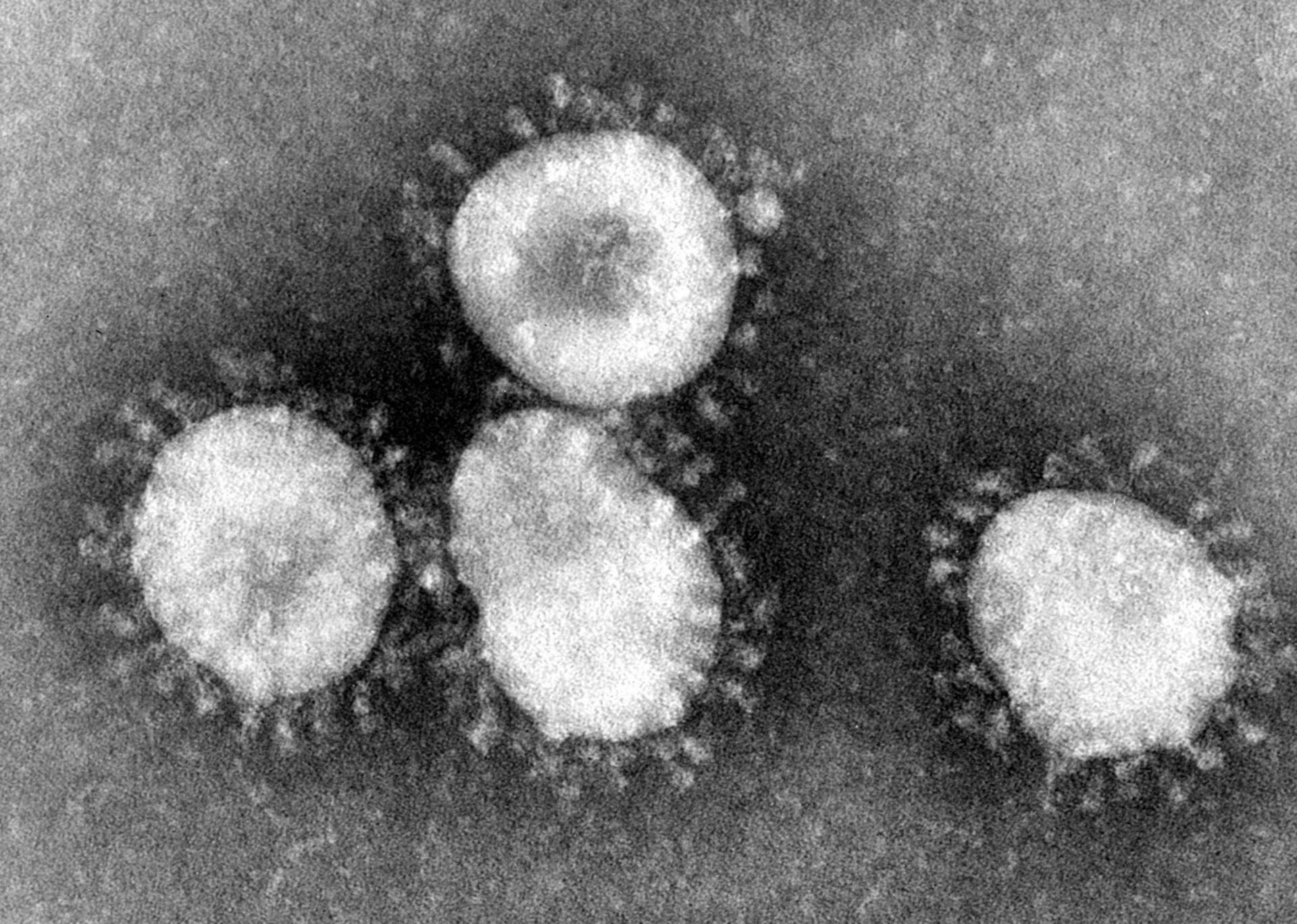
As a social scientist in globalization studies, I am interested in the role some of the less visible layers of globalization — such as awareness of our connections with the lives of people elsewhere — have in shaping our responses, including emotional responses, to global threats, like this one and those to come…
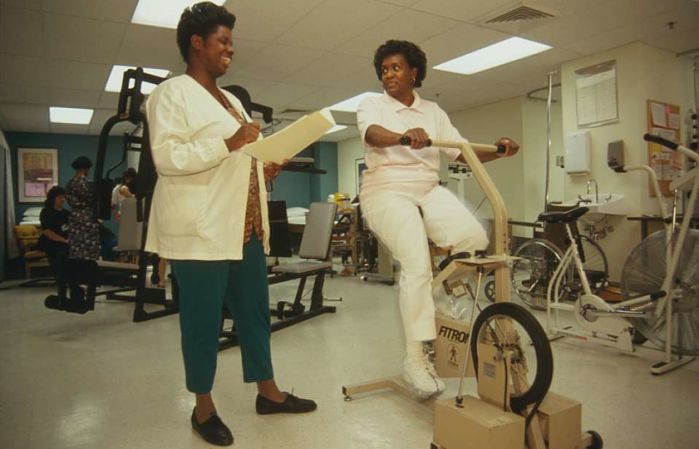
Since its debut in the Canadian Journal of Occupational Therapy in 1990, the Canadian Occupational Performance Measure has been adopted by, more than 40 countries across healthcare professions, and as such is the most widely used occupational therapy measure in the world. The article has received 490 citations according to CrossRef and has been cited, according to Google Scholar, 843 times.

Does a beautiful presentation actually lead to a better-liked gift? Or is it the other way around? There happens to be some research on that …
The National Science Foundation (NSF) will be accepting applications for the Science and Technology Studies (STS) Program. With an estimated program funding of 6,200,000 (to be awarded among 40 different researchers), this is an opportunity worth considering.
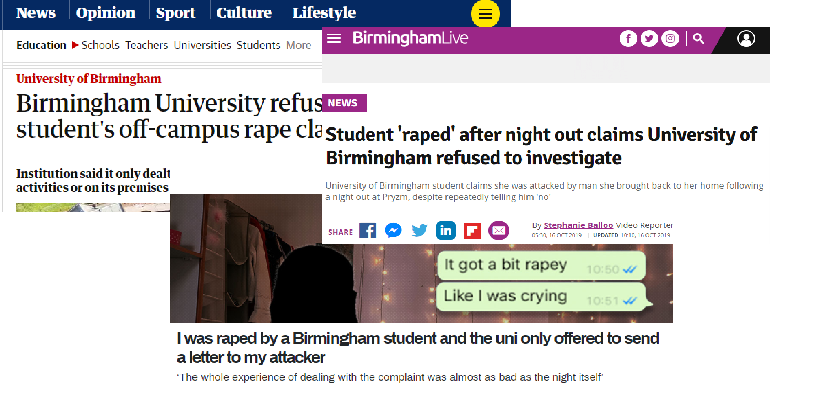
Universities in effect, argues our Robert Dingwall, are asked to exercise all the responsibilities of parents and to act as a secular equivalent of the medieval church as the conscience of the nation.
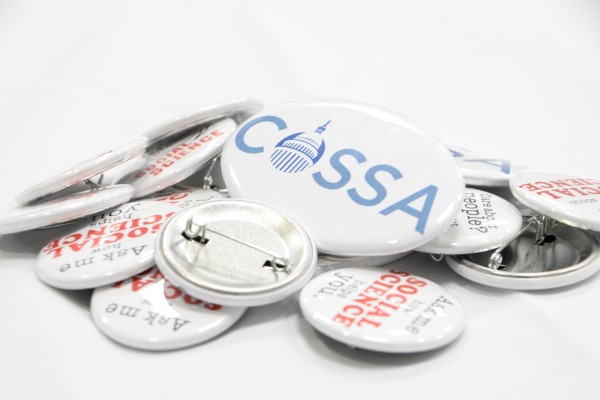
COSSA is now seeking nominations for the 2020 COSSA Public Impact Award. If you know of individuals, groups, or organizations that are using social and behavioral science research to affect real change in society, consider nominating them!
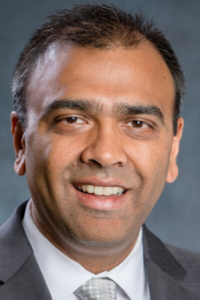
Life scientist Sudip Parikh has been tapped to head the American Association for the Advancement of Science, the organization announced last week. He will be the 19th chief executive the AAAS, the world’s largest multidisciplinary scientific society, has had in its 171 years.

The Royal Swedish Academy of Sciences has awarded this year’s Nobel Prize in Economic Sciences to the American economists Robert E. Hall […] Four Americans working in the social and behavioral sciences are among the 20 people named MacArthur Fellows this year. Recipients may be […] Euan Adie, the founder of Altmetric and later of Overton, discusses the reasons the led to Overton’s focus on showing researchers how […] The following is an adapted extract from The Cultural Industries, fifth edition, by David Hesmondhalgh. The increasing presence of information technology (IT) […] Developers of AI data centers have a public trust problem. According to multiple surveys, a majority of Americans say they would oppose […] I was adding some final flourishes on the topic of ‘iatrocracy’ to my forthcoming book with Natewindé Sawadogo – Sickness and Social […]
EXPLORE
Impact
Economic Peaks, Troughs and This Year’s Nobelists in Economics
READ MORE
Four From Social Science World Receive 2026 MacArthur Fellowships
READ MORE
Quick Insight: Euan Adie on Getting Academics Credit for Their Impact
READ MORE
Innovation

IT Giants and Their Operations: Should We Be Concerned?
READ MORE

What We Miss When We Study Public Trust with Surveys Alone
READ MORE

AI and ‘Iatrocracy’ – A Cautionary Tale
READ MORE