
Could Distributed Peer Review Better Decide Grant Funding?
The landscape of academic grant funding is notoriously competitive and plagued by lengthy, bureaucratic processes, exacerbated by difficulties in finding willing reviewers. Distributed […]
How can we develop a new field of collective intelligence that pulls across disciplines and works between academic and practitioner domains? This was a key question addressed at the ‘Designing collective intelligence to address social needs’ event hosted by the global innovation foundation Nesta.

The U.S. National Institutes of Health’s Office of Behavioral and Social Sciences Research, which has a rather lengthy revised definition that it’s currently asking experts to assess.

Last year Social Science Space presented more than 200 articles on the impact, infrastructure and industry surrounding social and behavioral science and research. Here we chose a few of special merit to highlight what went on in 2018. Click the links mentioned to review the full post and/or podcast.
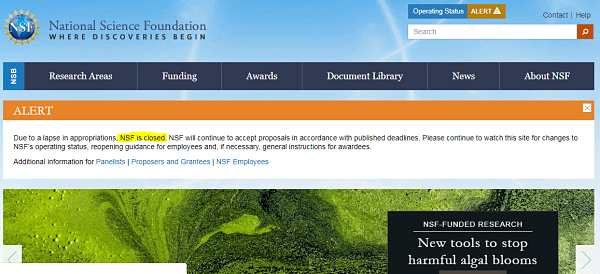
During this U.S government partial shutdown, agencies including the NSF, the Fish and Wildlife Service, the National Parks Service, the U.S. Geological Survey, the Environmental Protection Agency, the National Institute of Standards and Technology and NOAA have had to stop most work. Surely that can’t be beneficial …

In the next few days Social Science Space will hear from five winners of Britain’s Economic and Social Science Research Council’s 2018 Impact Prize to learn how they built meaningfulness into their own research and how they measure impact more broadly. We continue today with Matthew Flinders of the University of Sheffield, winner of the Impact Champion prize.
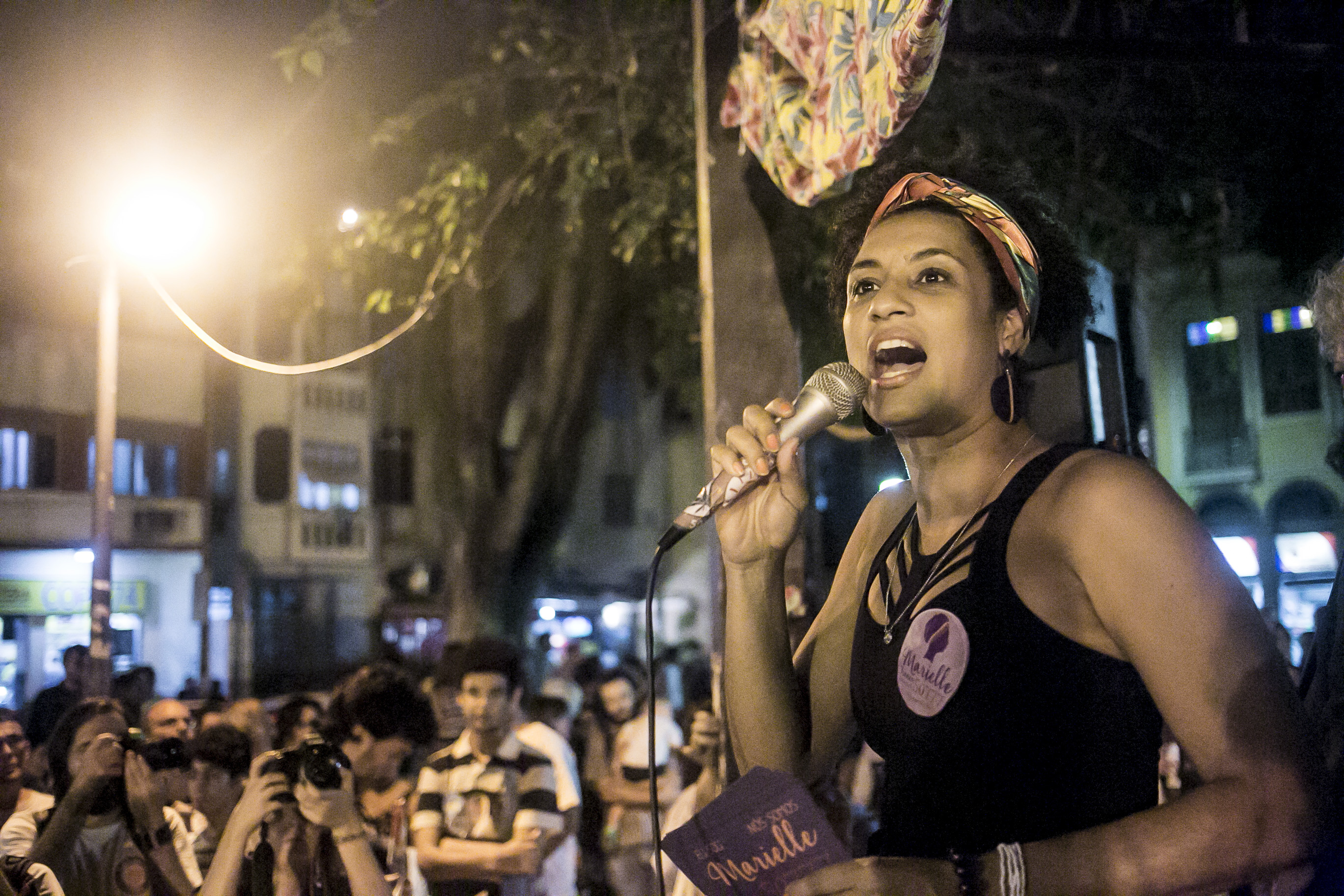
Brazilian elite have an enduring resistance to acknowledging the existence and the pernicious effects of racism in shaping the country’s contemporary social relations. These effects will have major implications on the way Brazil will continue to react toward prejudices and color-blind racism. Something that Brazilian author Luiz Trindade says is “problematic for Brazil and all Brazilians.”
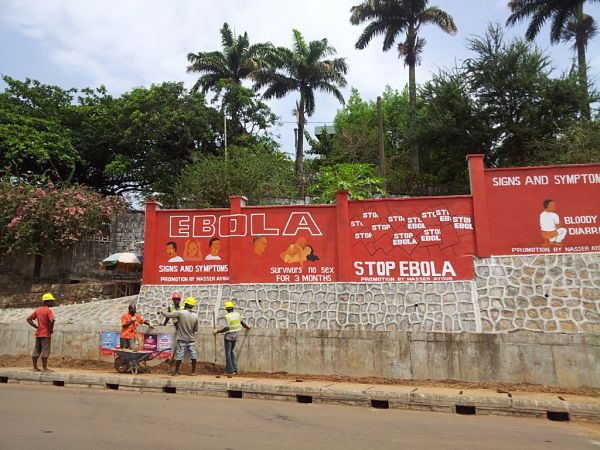
The Congo’s devastating Ebola outbreak demands that a critical component of that international response should be to rapidly identify and deploy national and international social scientists, with knowledge of the local context, who can work together to develop the protocols and tools needed to implement social science research so essential for outbreak control.
In a world of alternative facts we should be able to turn to scientific research for reliably trust-worthy perspectives, yet even peer- reviewed journal articles can contain incorrect or misleading findings. New journal article is now up for open Access, which puts up some recommendations.

The Royal Swedish Academy of Sciences has awarded this year’s Nobel Prize in Economic Sciences to the American economists Robert E. Hall […] Four Americans working in the social and behavioral sciences are among the 20 people named MacArthur Fellows this year. Recipients may be […] Euan Adie, the founder of Altmetric and later of Overton, discusses the reasons the led to Overton’s focus on showing researchers how […] The following is an adapted extract from The Cultural Industries, fifth edition, by David Hesmondhalgh. The increasing presence of information technology (IT) […] Developers of AI data centers have a public trust problem. According to multiple surveys, a majority of Americans say they would oppose […] I was adding some final flourishes on the topic of ‘iatrocracy’ to my forthcoming book with Natewindé Sawadogo – Sickness and Social […]
EXPLORE
Impact
Economic Peaks, Troughs and This Year’s Nobelists in Economics
READ MORE

Four From Social Science World Receive 2026 MacArthur Fellowships
READ MORE

Quick Insight: Euan Adie on Getting Academics Credit for Their Impact
READ MORE
Innovation

IT Giants and Their Operations: Should We Be Concerned?
READ MORE

What We Miss When We Study Public Trust with Surveys Alone
READ MORE

AI and ‘Iatrocracy’ – A Cautionary Tale
READ MORE