

Could Distributed Peer Review Better Decide Grant Funding?
The landscape of academic grant funding is notoriously competitive and plagued by lengthy, bureaucratic processes, exacerbated by difficulties in finding willing reviewers. Distributed […]

In a recent survey of over 1,500 scientists, more than 70 percent of them reported having been unable to reproduce other scientists’ findings at least once. Reproducibility of findings is a core foundation of science and realizing how difficult it is to assess novelty should give funding agencies and scientists pause. Progress in science depends on new discoveries and following unexplored paths – but solid, reproducible research requires an equal emphasis on the robustness of the work.
The House and Senate cleared the final version of the Tax Cuts and Jobs Act, which was signed into law on December 22. Congress also approved a short-term continuing resolution to keep the government funded through January 19, and cleared a disaster assistance package for victims of hurricanes and wildfires
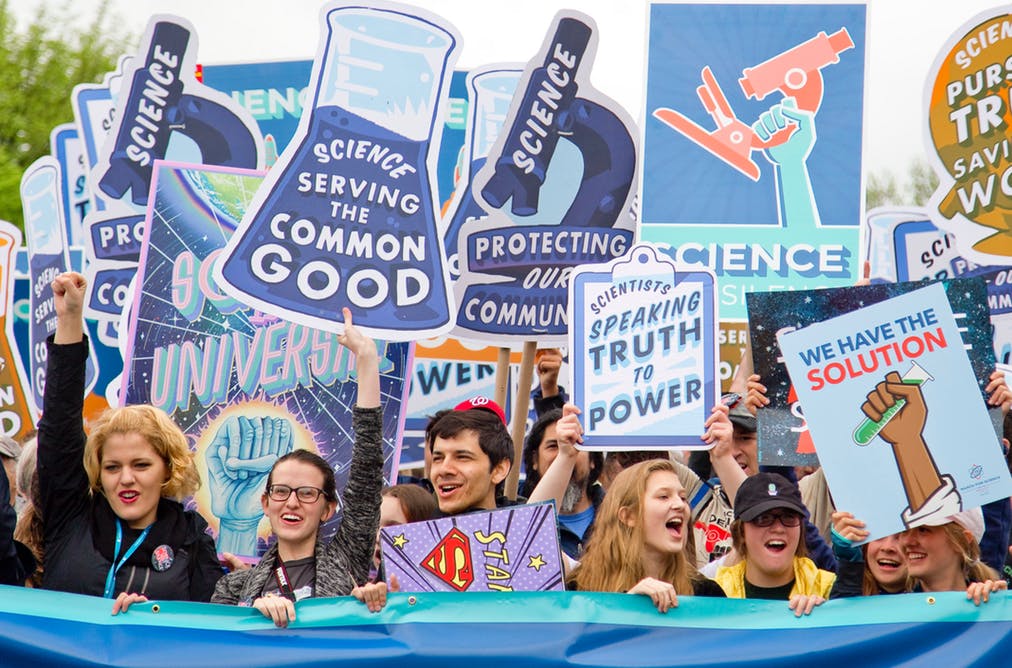
2017 may well be remembered as the year of alternative facts and fake news. Truth took a hit, and experts seemed to lose the public’s trust and scientists felt under siege as the Trump administration took office. Five stories, from The Conversation, showcase where scholars and scientists stand in this new climate and various ways to consider the value research holds for society.

The year 2017 turned out to be the start for mainstream behavioral economics after a leading practitioner in the field won a Nobel prize for his work. Throughout 2017, The Conversation asked experts in economics, psychology and other areas to address the power of this burgeoning field, as well as its potential for misuse. Here are some articles for your consideration.
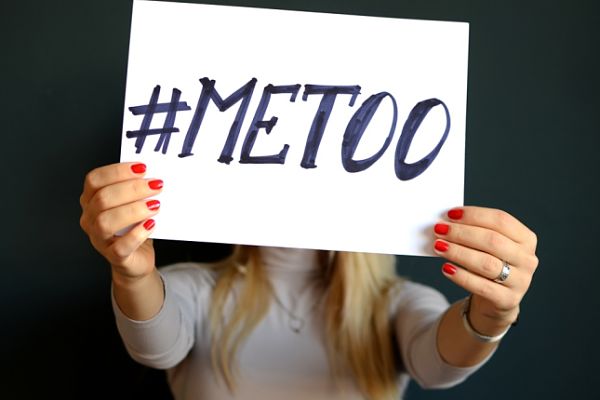
Developing an effective response to sexual harassment in the academic industry — by no means a new phenomenon, notes Robert Dingwall — requires us to consider questions about institutional memory, occupational cultures, and organizational silos, rather than badly behaved individuals.
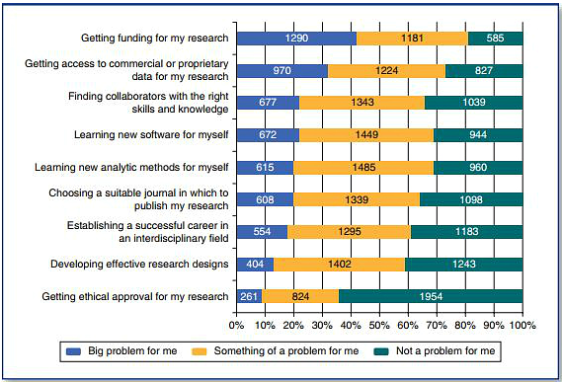
The applications of big data provide a very mixed picture about its uses and abuses, in government, academe and private industry. And while where you stand on the net impact depends, as the cliche goes, on where you sit, a panel at the recent ESRC Festival of Social Science came out qualitatively optimistic about the future.
The House and Senate approved their respective versions of a tax reform package (the Tax Cuts and Jobs Act). The House also approved the Protecting Seniors Access to Medicare Act, the Community Health and Medical Professionals Improve Our Nation Act, and the 21st Century Flood Reform Act. The House and Senate also cleared the final House-Senate conference report to the fiscal year 2018 National Defense Authorization Act.

The issue of sexual assault, the deceit, the gender stereotypes and the level of taboo surrounding the topic, has once again hit […]
Jürgen Habermas, a globally known social theorist whose explorations of democracy, validity and communication have gained new prominence in the current moment, […] People often see science as a world apart: cool, rational and untouched by persuasion or performance. In this view, scientists simply discover […] “Research impact” means different things to different people. Some refer broadly to how science changes behaviors, beliefs, or practices outside academic institutions. […] David Canter considers informal places where people socialize, suggesting they’re an arena ChatGPT and other LLMs can’no’t replicate. As someone who lives […] It’s become cliche since Clive Humbly coined it in 2006, but data is indeed the new oil. It’s a mantra repeated by […] In September 2025, The Guardian reported about a lawyer in Australia having faced sanctions due to false citations. These citations were not […]
EXPLORE
Impact

Jürgen Habermas, 1929-2026: Exponent of the Public Sphere
READ MORE

Scientists Should Keep in Mind It’s Called the ‘Marketplace of Ideas’ for a Reason
READ MORE

Survey Finds Social Scientists Feel Unsupported in Seeking Societal Impact
READ MORE
Innovation

Reaching Parts to Which AI Has No Access
READ MORE

Andrea Medina-Smith on Making Research Data More FAIR
READ MORE

A Status Check on Hallucinated Case Law Incidents
READ MORE