



Could Distributed Peer Review Better Decide Grant Funding?
The landscape of academic grant funding is notoriously competitive and plagued by lengthy, bureaucratic processes, exacerbated by difficulties in finding willing reviewers. Distributed […]
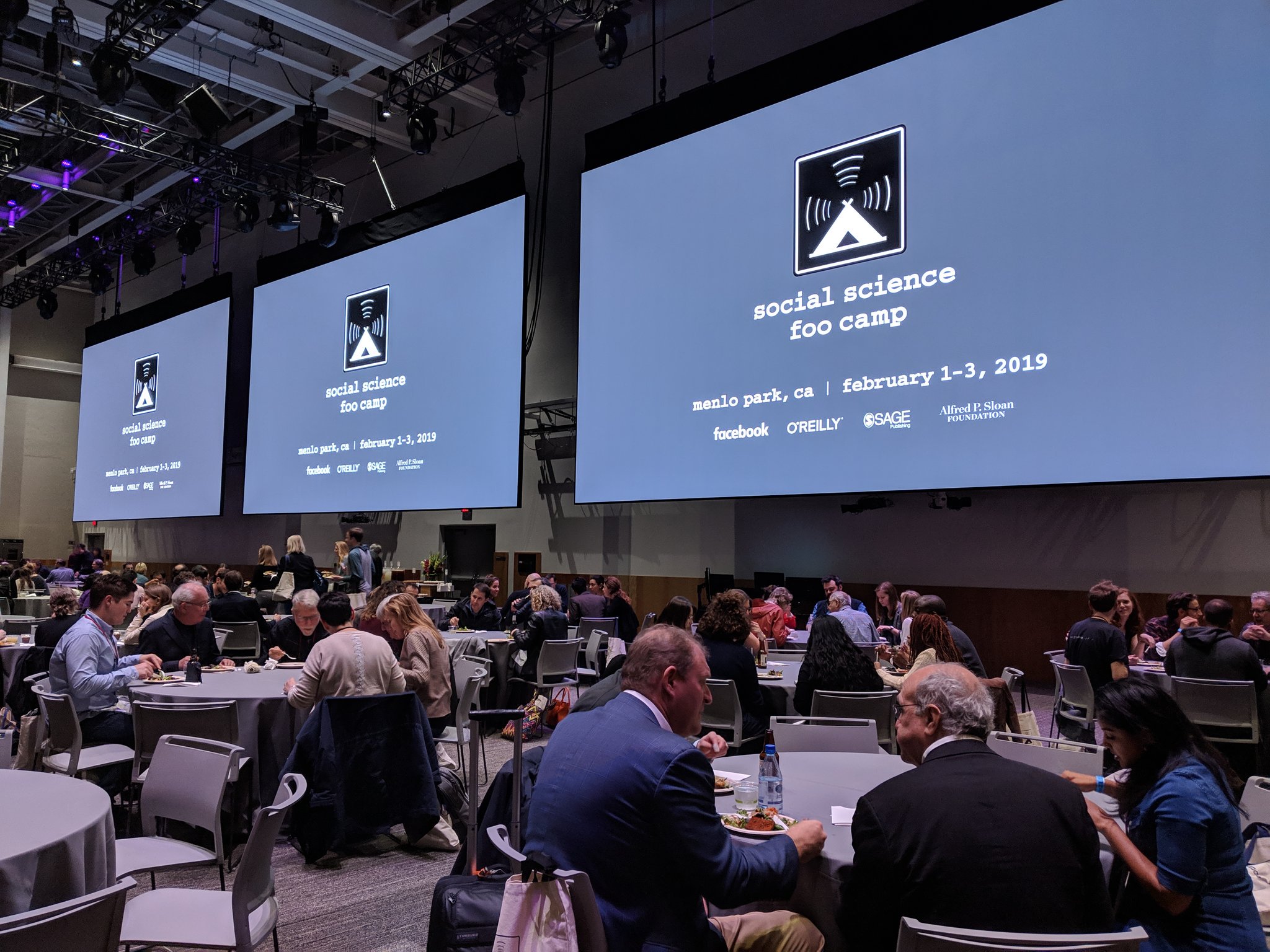
The second annual Social Science Foo Camp took place at Facebook’s headquarters in Menlo Park at the start of this month, convening an eclectic mix of more than 200 social scientists, technologists, funders, policy makers, business people and writers.

Elie Diner presents arguments for and against sharing research presentations online, arguing that sharing research presentations should be seen as part of the mainstream of open scholarship and is a natural way for academics to present their preliminary findings.

A text analysis of nine years of grant abstracts submitted to the NSF indicated that what researchers say and how we say it can foretell the amount of funding we are awarded. They also show that the writing funders idealize may not always match up with what they actually prefer.
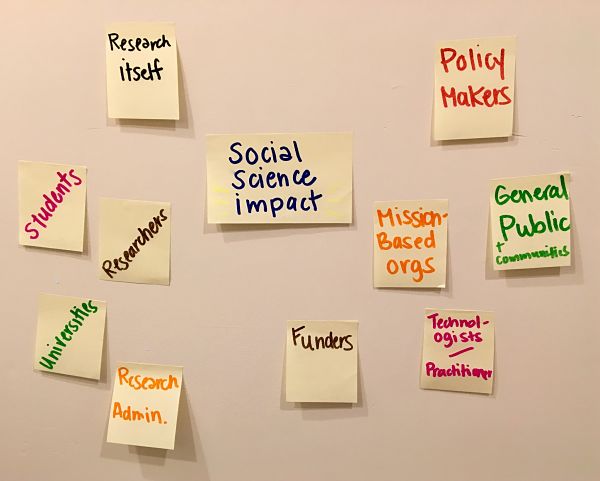
As part of a larger effort to support social scientists achieve and demonstrate impact, SAGE Publishing brought together 14 individuals who are both passionate about social science’s impact and intimately involved in improving its measurement for a one-day workshop.

In this first in a series of articles about impact, Louis Coiffait will provide an overview of the current situation for researchers (including social scientists) in the United Kingdom, in particular looking at the impact and knowledge exchange frameworks.
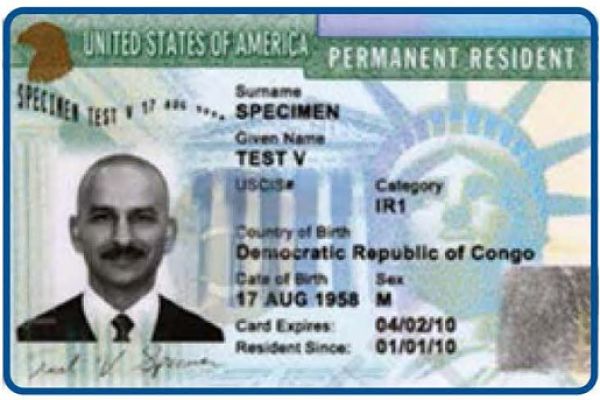
The Center for Migration Studies, has analyzed changes in the immigration rules for ‘lawful permanent residents’ and found the potential effect on “intending immigrants” would deny admission and adjustment to large numbers of working class persons who contribute substantially to the US economy, who have US citizen and lawful permanent resident family members
Even if Congress and the president succeed in breaking the logjam and approve the remaining fiscal year 2019 appropriations bills, the new Congress will find itself significantly behind schedule in the fiscal year 2020 budget and appropriations cycle. The president’s budget, which is usually delivered to Congress in early February, will likely be delayed by a month, and perhaps longer if another partial shutdown occurs on February 16. House and Senate appropriations committees typically set deadlines for requests by this time in the year, but that process is not even close to starting because of the shutdown.

Reflecting on his new book Migrant City, Goldsmiths sociologist Les Back tells interviewer David Edmonds in this Social Science Bites podcast, co-author and co-researcher Shamser Sinha and Back learned their work was “not really just a migrants’ story; it’s the story of London but told through and eyes, ears and attentiveness of 30 adult migrants from all corners of the world.”
When people trust science, they can make better decisions, follow helpful rules and work together on big problems like health, climate change […] Do you know a social or behavioral science researcher whose work resonates across disciplines and which has made a significant impact in […] Please note: this contest has now closed. The winner will be contacted in due course. This November, Sage and Overton invite you to share the unexpected […] The latest generation of artificial intelligence models is sharper and smoother, producing polished text with fewer errors and hallucinations. As a philosophy […] In a new white paper by Tom Chatfield, the philosopher of tech and critical thinking outlines a practical roadmap for integrating artificial intelligence into […] Distance learning far precedes the digital age. Before online courses, people relied on print materials (and later radio and other technologies) to […]
EXPLORE
Impact

There Is a Cost to Being Honest About Science
READ MORE

Outstanding Social and Behavioral Scientists Sought for Sage-CASBS Award
READ MORE
Share Your Most Surprising Policy Citation for Chance to Win $500 [Closed]
READ MORE
Innovation

An AI Authorship Protocol Aims to Sharpen a Sometimes-Fuzzy Line
READ MORE

A Box Unlocked, Not A Box Ticked: Tom Chatfield on AI and Pedagogy
READ MORE

AI Gaming of Some Online Courses Threatens Their Credibility
READ MORE