


Could Distributed Peer Review Better Decide Grant Funding?
The landscape of academic grant funding is notoriously competitive and plagued by lengthy, bureaucratic processes, exacerbated by difficulties in finding willing reviewers. Distributed […]

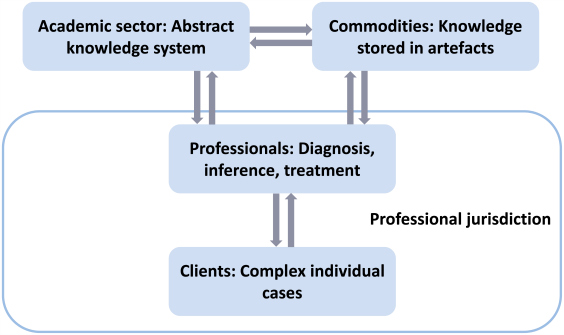
In the first of a series of short posts by Adam S. Levine spotlighting what the organization Research4Impact has learned about connecting social science researches with practitioners, he identifies four reasons why nonprofit practitioners have wanted to engage with social scientists.
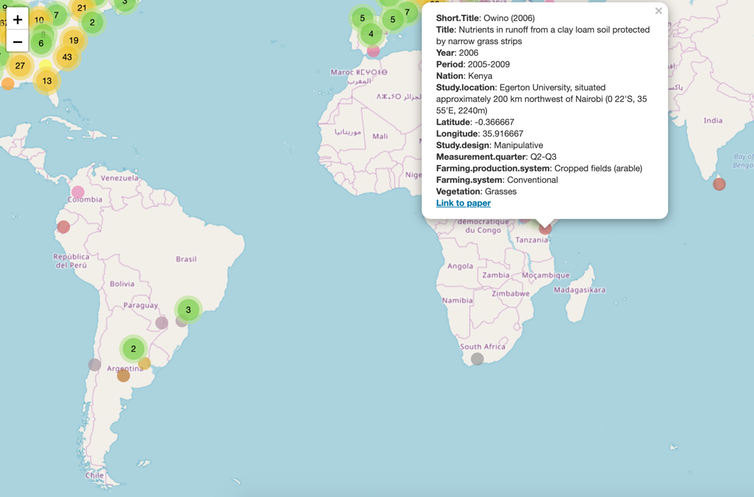
Creators and participants in the Evidence Synthesis Hackathon ask what’s the solution to coping with the increasing volume of evidence needed to build effective, solid policy? They argue that technology is the key. With accessible software tools and workflows, machines can be left to do the laborious work so that people can focus on planning, thinking and doing.
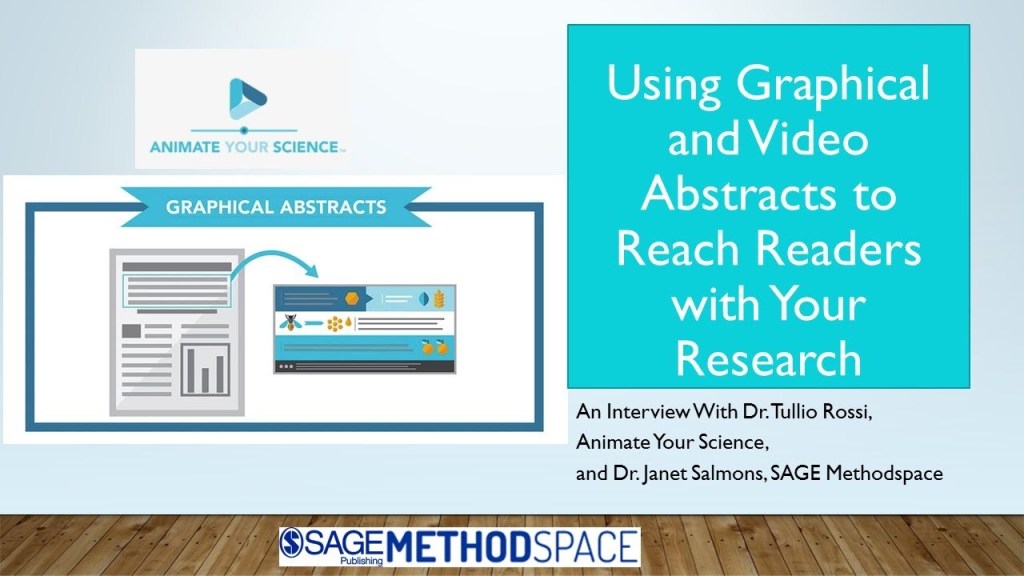
It goes without saying that research has greater impact when more people have access to it. In a distracted, multilingual world we often struggle to get important research findings into the hands of those who can use what we’ve learned. As Dr. Tullio Rossi of Animate Your Science points out, visuals help us reach across disciplines.

Burned out by the hamster-wheel of academe and the regime of metrics, John Postill decided the tonic would be to write a spoof spy thriller about a Spanish nerd with a silly name who moves to London in 1994 and accidentally foils a terrorist plot by an evil anthropologist.

It is always important in reporting and media to have a story that is being represented accurately. With skewed assumptions and loaded […]
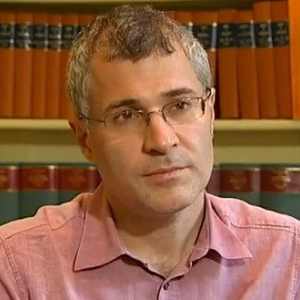
Britain’s former chief economist knows a thing or two about the impact of immigration on native Britons. In this Social Science Bites podcast, he reviews what data can tell us about the UK’s current heavy inflow — such as that new arrivals create both supply AND demand.
Text Wash, a new software tool that anonymizes personally identifiable text data, making it accessible to social scientists without compromising its usability for research, has just won the SAGE Concept Grant. This year’s award comes to roughly $30,000.
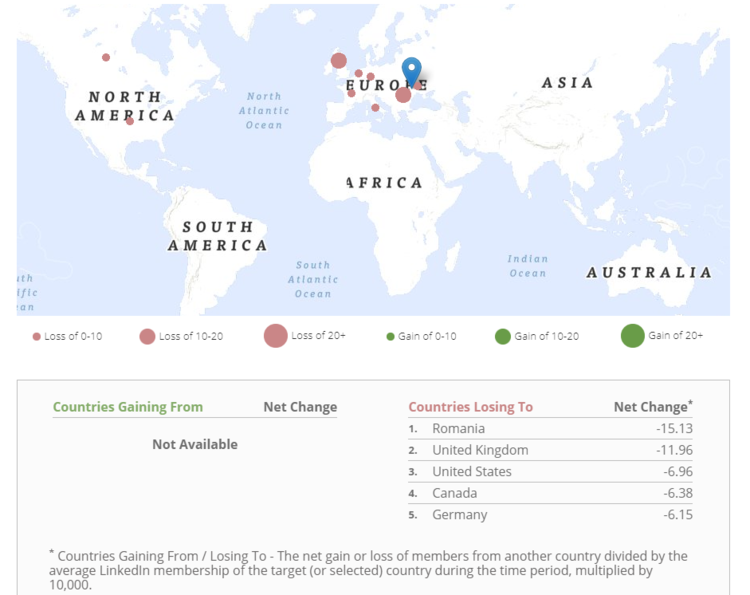
Today, researchers are using LinkedIn data in a variety of ways: to find and recruit participants for research and experiments to analyze how the features of this network affect people’s behavior and identity or how data is used for hiring and recruiting purposes.

Euan Adie, the founder of Altmetric and later of Overton, discusses the reasons the led to Overton’s focus on showing researchers how […] Here’s a couple of quick questions for you. What is the smallest of the eight discipline-based directorates at the United States’ National […] Sage’s 10-Year Impact Awards recognize academic papers appearing in Sage-published journals that have achieved lasting impact. The winning papers are the most […] I was adding some final flourishes on the topic of ‘iatrocracy’ to my forthcoming book with Natewindé Sawadogo – Sickness and Social […] How is AI changing the shape and space of higher education? Critical thinking continues to rank highly among key skills and attributes […] My colleagues and I recently spoke with a group of talented, interesting students who just completed their first year of college about […]
EXPLORE
Impact

Quick Insight: Euan Adie on Getting Academics Credit for Their Impact
READ MORE

NSF’s Embattled SBE Directorate Shown as Agency’s Policy Heavyweight
READ MORE

Sage’s 10-Year Impact Awards Capture Longer-Term Significance
READ MORE
Innovation

AI and ‘Iatrocracy’ – A Cautionary Tale
READ MORE

The Critical Student: How GenAI Reshapes Critical Skills and Higher Education’s Role Preparing Students For It
READ MORE

AI Doesn’t Drive Student Cheating. It Just Hitches a Ride
READ MORE