

Could Distributed Peer Review Better Decide Grant Funding?
The landscape of academic grant funding is notoriously competitive and plagued by lengthy, bureaucratic processes, exacerbated by difficulties in finding willing reviewers. Distributed […]
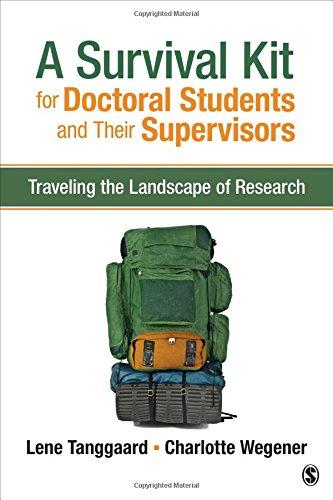
In ‘A Survival Kit for Doctoral Students and Their Supervisors: Traveling the Landscape of Research,’ Lene Tanggaard and Charlotte Wegener offer a hands-on guide for both students and supervisors that seeks to engage with the ‘actual and messy practices of doctoral training,’ says Sroyon Mukherjee.
It’s not easy being an early career researcher! Establishing your professional identity, developing your independence as a researcher, teaching, competing for grants, coping with increasing levels of administration and – oh yes – developing your ‘output’ – that dreadful word so often used to describe the writing born of your research.
While most eyes in Washington are focused on tax reform, two new bills that affect social science have been introduced: one that re configures how peer-review would be used for determining research grants, and another that would make use of recommendations from a bipartisan study on evidence-based policy.

If you’ve never done a peer review before, the process might seem a little daunting. In this post from Publons, peer-review experts were asked for the advice on how best to proceed, and their top 12 tips are presented here.
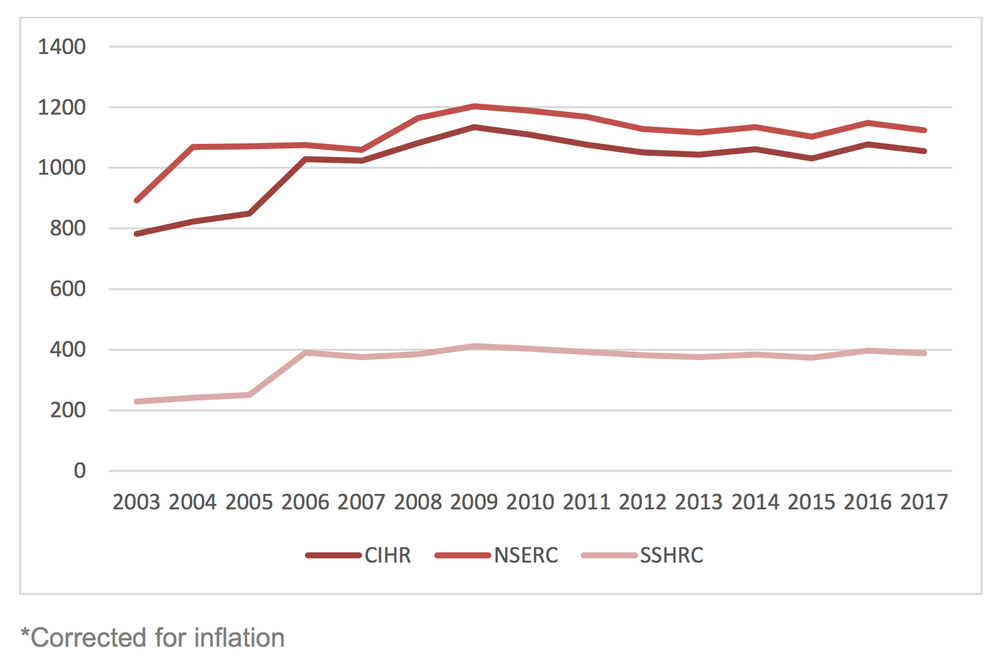
It is time, argues Andrew Craig, for the Canadian government to demonstrate they are moving ahead with all recommendations from the Naylor report — Canada’s Fundamental science review — to return balance and support Canadian science in all its wonderful diversity.
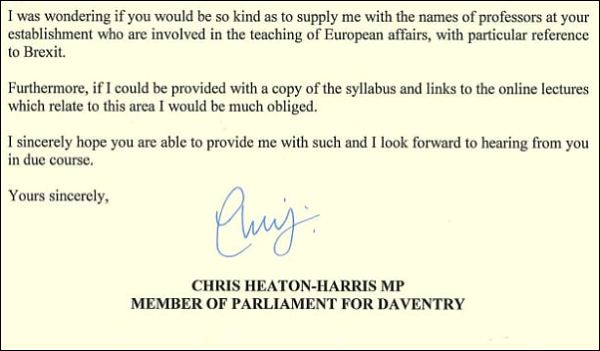
Last week the UK academic world was abuzz about Chris Heaton- Harris’ letter on Brexit. This week it’s not. This lack of lasting public interest in threats to academic freedom is lamentable even as the corporatization of the nation’s universities is the biggest threat facing academic life and flies completely under the public’s radar, argues Daniel Nehring.
The Federation of Associations in Behavioral & Brain Sciences has named six winners of its 2017 Early Career Impact Award. The award goes to early career scientists of FABBS member societies who have made major contributions to the sciences of mind, brain, and behavior, and who are within the 10 years of having received their PhD.

‘Henry Riley: A Personal History of Human Relations’ frames the seven decades of The Tavistock Institute’s journal ‘Human Relations’ against key moments in one man’s ordinary life and how those moments are reflected through seminal articles published in the journal.
People often see science as a world apart: cool, rational and untouched by persuasion or performance. In this view, scientists simply discover […] “Research impact” means different things to different people. Some refer broadly to how science changes behaviors, beliefs, or practices outside academic institutions. […] One researcher studies how war affects children, another took a literal worm’s eye view to examine rural development, while two others scrutinized […] David Canter considers informal places where people socialize, suggesting they’re an arena ChatGPT and other LLMs can’no’t replicate. As someone who lives […] It’s become cliche since Clive Humbly coined it in 2006, but data is indeed the new oil. It’s a mantra repeated by […] In September 2025, The Guardian reported about a lawyer in Australia having faced sanctions due to false citations. These citations were not […]
EXPLORE
Impact

Scientists Should Keep in Mind It’s Called the ‘Marketplace of Ideas’ for a Reason
READ MORE

Survey Finds Social Scientists Feel Unsupported in Seeking Societal Impact
READ MORE
Canada’s SSHRC Names 2025 Impact Winners
READ MORE
Innovation

Reaching Parts to Which AI Has No Access
READ MORE

Andrea Medina-Smith on Making Research Data More FAIR
READ MORE

A Status Check on Hallucinated Case Law Incidents
READ MORE