
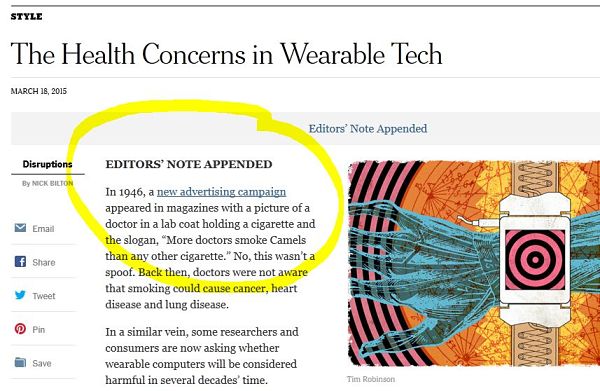


Could Distributed Peer Review Better Decide Grant Funding?
The landscape of academic grant funding is notoriously competitive and plagued by lengthy, bureaucratic processes, exacerbated by difficulties in finding willing reviewers. Distributed […]
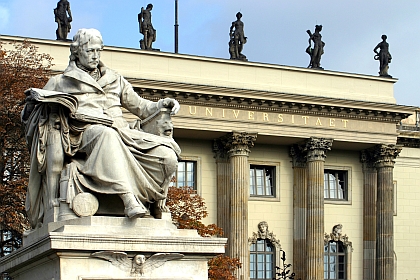
Research and teaching have never been free from external constraints and public universities have long been expected to justify the resources society devotes to them. But universities feel threatened and increasingly incapable of fulfilling their primary functions.

Race to remain important variable in social science research, says Saifuddin – Bernama The Malaysian Insider Race will continue to be an […]
Pleased with its debut team of social and behavioral scientists working to make federal policy better, the White House is seeking more members for its version of a ‘nudge’ unit. The deadline to apply is April 12.
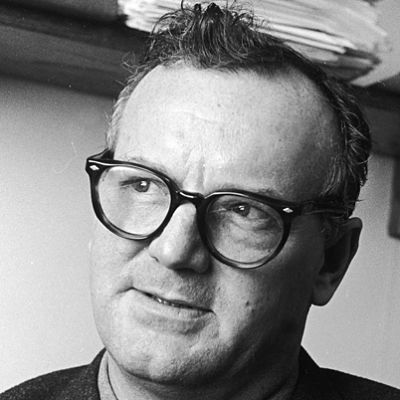
C. Wright Mills was one of the most important sociologists of the 20th century. He believed that sociology could change people’s lives, and that sociologists, far from being neutral, should help bring about such change, and his ideas would fuel ‘60s counter-culture. In this Social Science Bites podcast, John Brewer reveals the full man behind the icon.

They take forever to write and the rejection rate is high. To save all that wasted effort, what if we capped the number of grants that an individual, or perhaps an institution, could submit …?
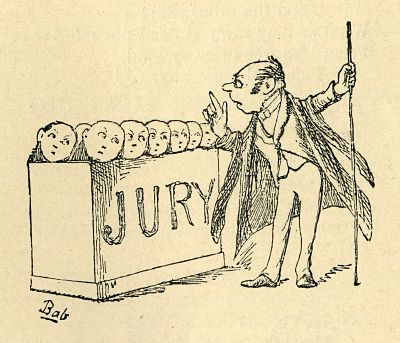
Imagine an ethics review system where the researcher’s proposal is read by an ‘ethics jury’ of four to six researchers drawn, as in legal juries, from the academic population at large, suggests Australia’s Gigi Foster.
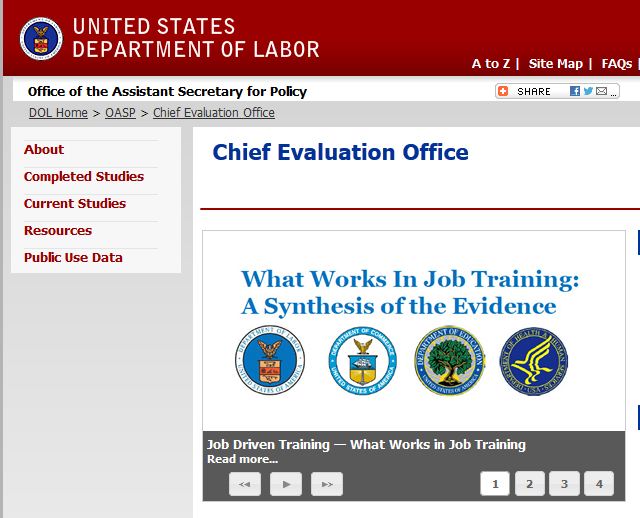
Would federal government agencies benefit from having a CEO — that is, a chief evaluation officer?
The head of the House subcommittee that oversees the budget of federal science agencies cites fears that ordinary people may not appreciate the subtleties of social science.
People often see science as a world apart: cool, rational and untouched by persuasion or performance. In this view, scientists simply discover […] “Research impact” means different things to different people. Some refer broadly to how science changes behaviors, beliefs, or practices outside academic institutions. […] One researcher studies how war affects children, another took a literal worm’s eye view to examine rural development, while two others scrutinized […] David Canter considers informal places where people socialize, suggesting they’re an arena ChatGPT and other LLMs can’no’t replicate. As someone who lives […] It’s become cliche since Clive Humbly coined it in 2006, but data is indeed the new oil. It’s a mantra repeated by […] In September 2025, The Guardian reported about a lawyer in Australia having faced sanctions due to false citations. These citations were not […]
EXPLORE
Impact

Scientists Should Keep in Mind It’s Called the ‘Marketplace of Ideas’ for a Reason
READ MORE

Survey Finds Social Scientists Feel Unsupported in Seeking Societal Impact
READ MORE
Canada’s SSHRC Names 2025 Impact Winners
READ MORE
Innovation

Reaching Parts to Which AI Has No Access
READ MORE

Andrea Medina-Smith on Making Research Data More FAIR
READ MORE

A Status Check on Hallucinated Case Law Incidents
READ MORE