
Could Distributed Peer Review Better Decide Grant Funding?
The landscape of academic grant funding is notoriously competitive and plagued by lengthy, bureaucratic processes, exacerbated by difficulties in finding willing reviewers. Distributed […]

Social Science Space’s newest core blogger takes a look at how industry has an outsize stake in the business of ranking universities. Has academe gotten in deeper than it bargained for?

[We’re pleased to welcome Cedric E. Dawkins of Dalhousie University. Dr. Dawkins recently collaborated with Dima Jamali, Charlotte Karam, Lianlian Lin, and […]

It’s a poor workman who blames his tools, argue two proponents of the ‘proper’ use of PowerPoint in the classroom. And here they offer tips on how to use the dread Microsoft product well.
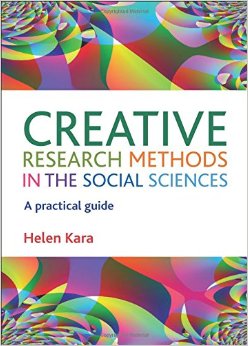
Sarah Lewthwaite finds ‘Creative Research Methods in the Social Sciences’ a reflexive, dialogic book that demands active reading but which offers a broad sense of this dynamic field.

It is evident then that building trust and creating relationships is what volunteers want as the mainstay of good research practice, not extra forms or excessive levels of data protection by researchers.
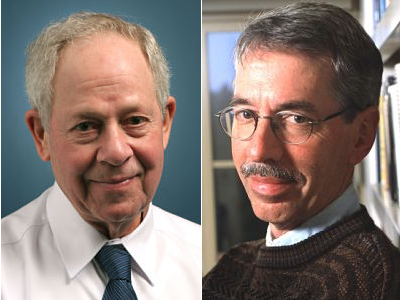
A high-profile political science study on same-sex marriage views in the U.S. that was determined to be fraudulent is the latest case exposing the need for incentive structures that make academic research open, transparent, and replicable. Temina Madon shares the launch of prizes run by the Berkeley Initiative for Transparency in the Social Sciences to promote more open practices.
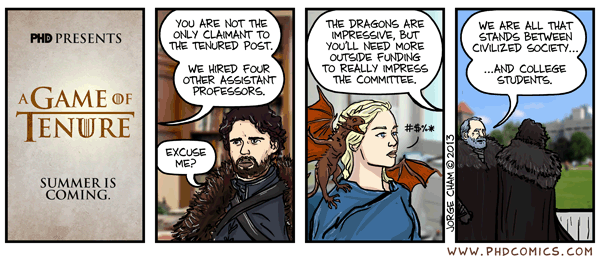
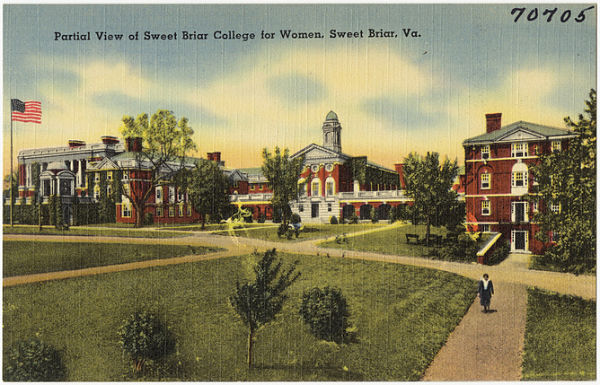
Cathy Sandeen, chancellor of University of Wisconsin Colleges and the University of Wisconsin-Extension, argues that universities need to be more honest on how academic freedom applies to different teaching roles in an environment where tenure is no longer a given.
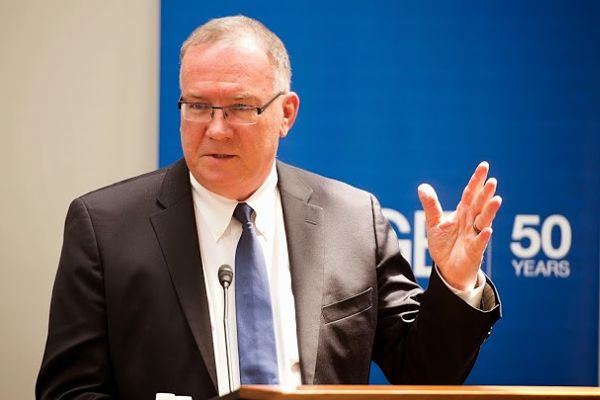
Learning coach explains the “complexity of teaching” in his installment of a series detailing the contributions social science makes in everyday lives.

Euan Adie, the founder of Altmetric and later of Overton, discusses the reasons the led to Overton’s focus on showing researchers how […] Here’s a couple of quick questions for you. What is the smallest of the eight discipline-based directorates at the United States’ National […] Sage’s 10-Year Impact Awards recognize academic papers appearing in Sage-published journals that have achieved lasting impact. The winning papers are the most […] I was adding some final flourishes on the topic of ‘iatrocracy’ to my forthcoming book with Natewindé Sawadogo – Sickness and Social […] How is AI changing the shape and space of higher education? Critical thinking continues to rank highly among key skills and attributes […] My colleagues and I recently spoke with a group of talented, interesting students who just completed their first year of college about […]
EXPLORE
Impact

Quick Insight: Euan Adie on Getting Academics Credit for Their Impact
READ MORE

NSF’s Embattled SBE Directorate Shown as Agency’s Policy Heavyweight
READ MORE

Sage’s 10-Year Impact Awards Capture Longer-Term Significance
READ MORE
Innovation

AI and ‘Iatrocracy’ – A Cautionary Tale
READ MORE

The Critical Student: How GenAI Reshapes Critical Skills and Higher Education’s Role Preparing Students For It
READ MORE

AI Doesn’t Drive Student Cheating. It Just Hitches a Ride
READ MORE