When Ignorance is Anything But Bliss
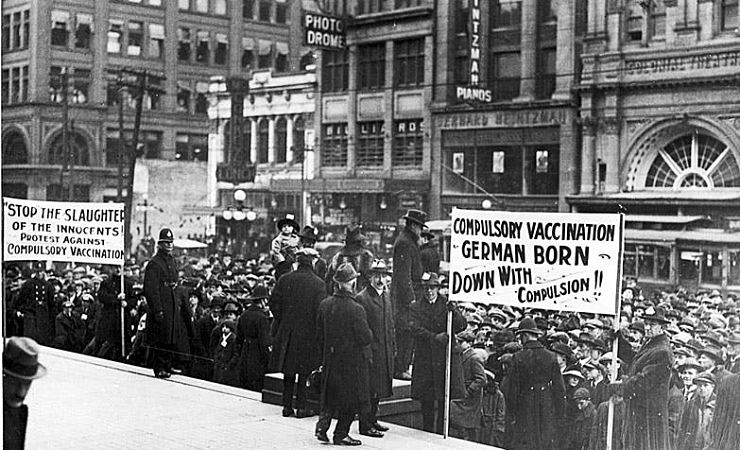
Fundamentalist Trump supporters and vaccine deniers are textbook examples of how ignorance can be the basis of distorted thinking, leading to otherwise apparently sane and thoughtful people making dreadful mistakes. Errors of understanding that led to death in the assault on the U.S. Capitol and is leading to deaths from COVID-19.
A recent U.K. survey by the pollsters Savanta ComRes revealed that a large minority of people were not clear what an ‘epidemic’ was, didn’t understand what it meant to ‘flatten the curve,’ what an ‘antibody’ is, or what is ‘contact tracing’ or how it works. I’ve not been able to find a similar survey in the U.S., but I would be surprised if they understood the information from the authorities any better. Of course, in the Trump era this ignorance was aggravated by a president who understood so little he could advocate ingesting poison as a cure for a virus. The ignorance of this minority lays the foundations for psychological defenses and cognitive biases which bolster dangerous actions.
This means that even when the politicians are listening to the experts and making the right decisions there will be an important minority in the population who do just not comprehend what they are being told. It is not their doubts about the veracity of the information on offer, or their beliefs about the biases of the authorities that is the basis for their dismissal of what they are told. Often people who do not understand what is being said do not realize they have misunderstood. Instead, they fabricate an explanation for themselves and their associates that is biased to being less threatening, more comfortable, more in accord with how they would prefer the world to be.
Our ability to seek out possibilities that fit what we already think is, or want to be, the case, is a well-recognized cognitive bias. If you don’t want to believe that a U.S. president incited an insurgency then you believe it was not Trump supporters who stormed the Capitol but some anti-Trump mob wanting to denigrate him. If you are afraid of a virus (and not really sure what it is) then the easiest psychological defense is to claim it does not exist. Quite bizarrely, this has given rise to hoards of protesters outside U.K. hospitals calling the staff liars as the come off duty from busy wards treating many COVID-19 patients.
Those who communicate with the public need to be more aware of how their comments may often fall on confused ears. In the U.K. there have been regular public briefings in which a series of graphs have been shown and quite subtle arguments about developments in the disease and rates of spread are presented. I have wondered how many in the general audience, when they do not even know what epidemiology is or how it operates, have been able to absorb these accounts?
I think part of the problem is the desire by politicians to let people know why they are being instructed to act in particular ways, ‘isolate,’ ‘stay within a support bubble’ and so on. When I studied the alarm systems that were being introduced to tell people what to do in emergencies, I was surprised to find that people just wanted to know clearly and precisely what they should do. They did not want the background information as to why they should do that.
As long as those giving the instructions have authority and clarity people will respond appropriately. If they have authority but ambiguity those who do not understand anything of what they are told will interpret the situation to fit what they want. That small minority can create a belief system amongst their associates which much more comfortable than the reality they would rather was not there.